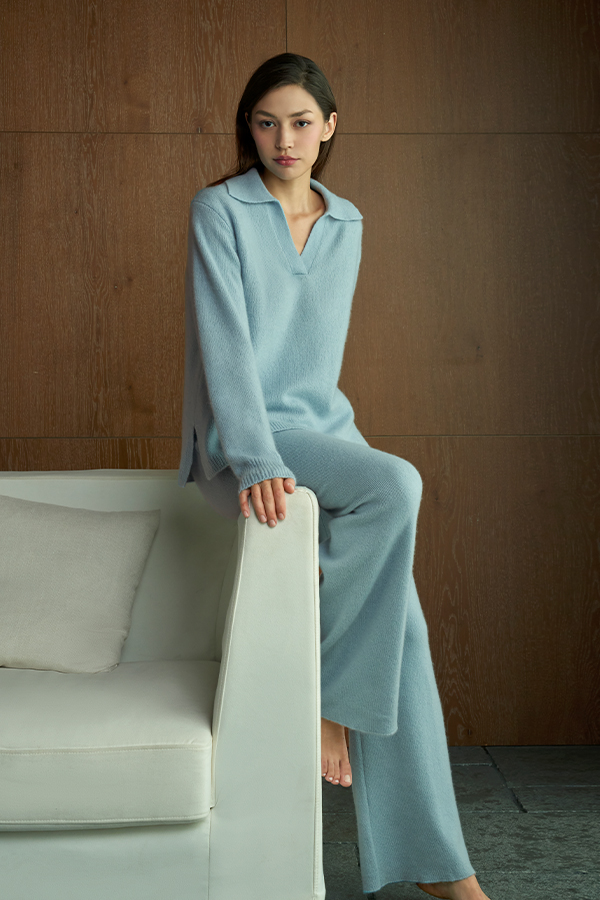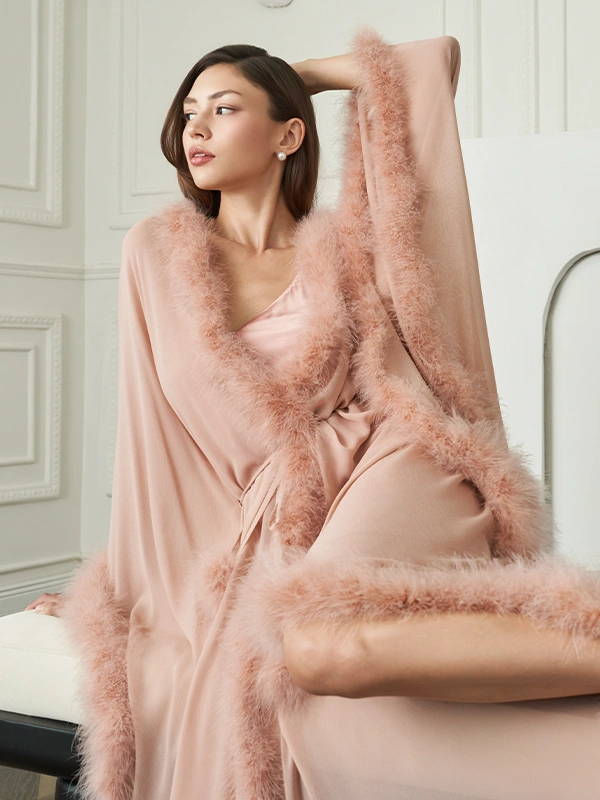
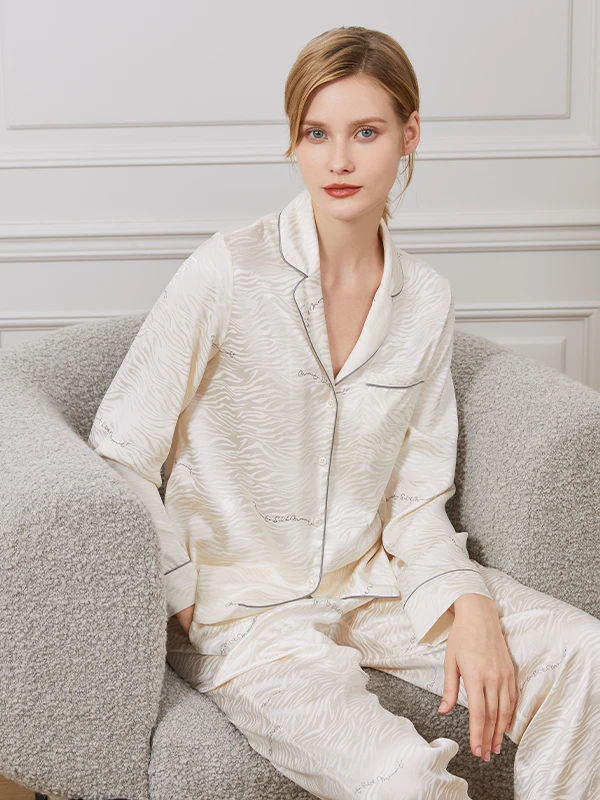
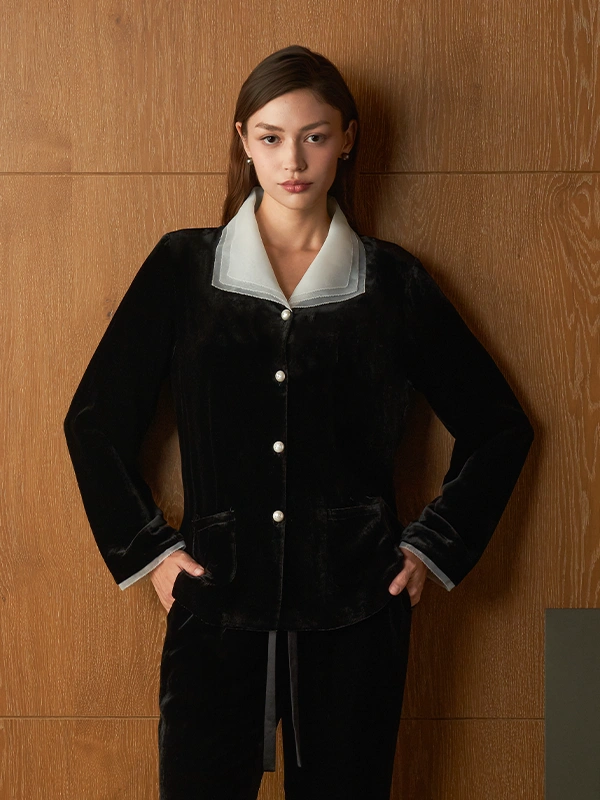





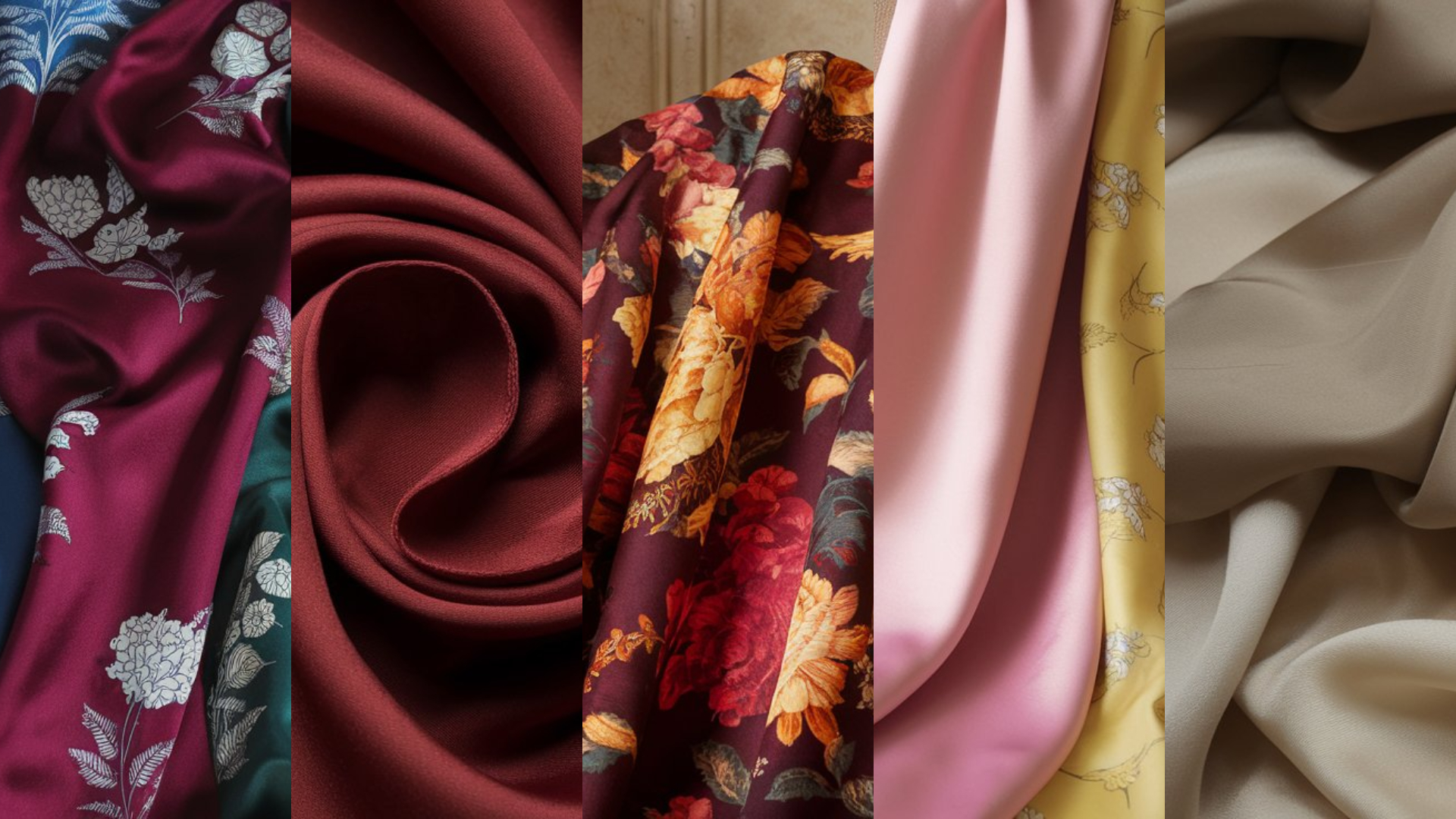
It is safe to say that silk only means luxury, elegance, and sophistication. Silk fabrics have been worn for centuries, from royalty’s flowing gowns to modern fashionistas’ delightful scarves. However, not all silk fabrics are the same. Each type of silk fabric provides a unique characteristic, texture, and appeal for a certain kind of use or style.
Whether it’s a spectacular wedding dress, a lavish hand-woven scarf, or a touch of luxury to your home decor, getting to know the different silk fabrics can be beneficial to choosing the perfect one for your project. In this guide, let’s talk about the most common types of silk fabrics – from the glossy and charismatic silk charmeuse to the rustic elegance of the nip in dupion silk. Anyway, it’s time to dig into the world of silk and learn more about each fabric’s unique characteristics.
What Makes Silk Fabrics Unique?
This is one of the most coveted fabrics in the world. It is prized for its luxurious feel, natural sheen, and versatility. The smooth texture and luster that distinguishes silk are derived from the cocoons of silkworms. Silk brings you timeless sophistication in high-end fashion, elegant clothing, or delicate accessories. It’s also breathable, lightweight, and hypoallergenic, so other than for comfort, you can take it as a style.
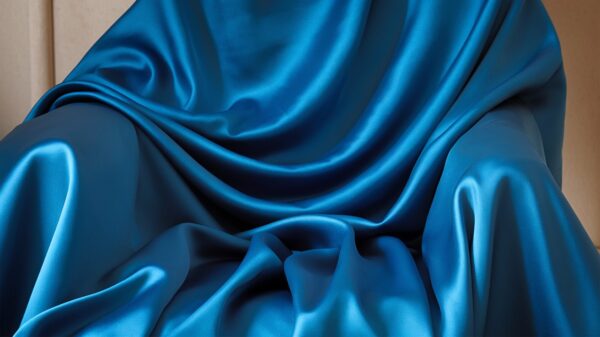
Popular Types of Silk Fabrics
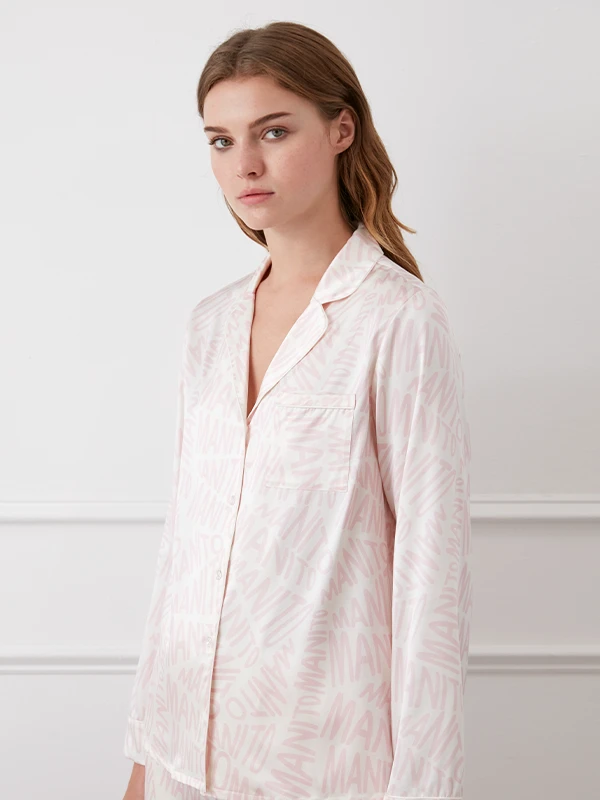
Silk Charmeuse
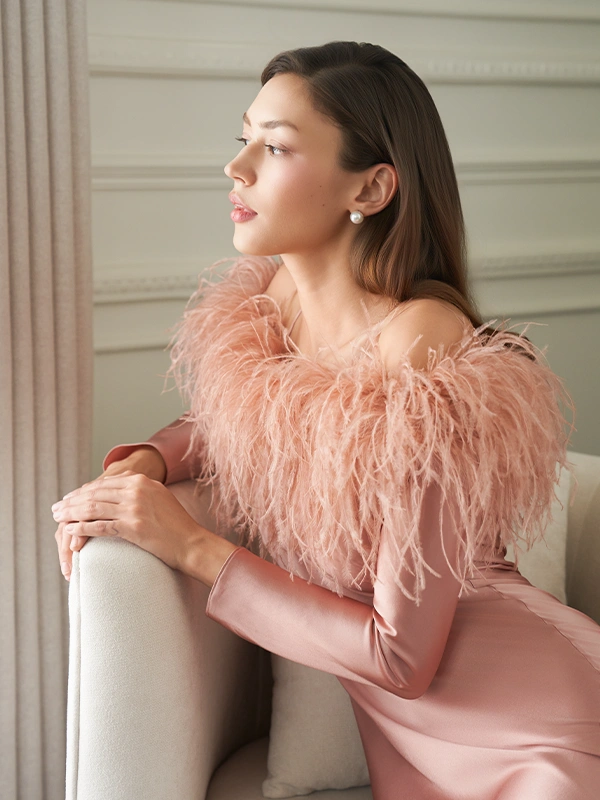
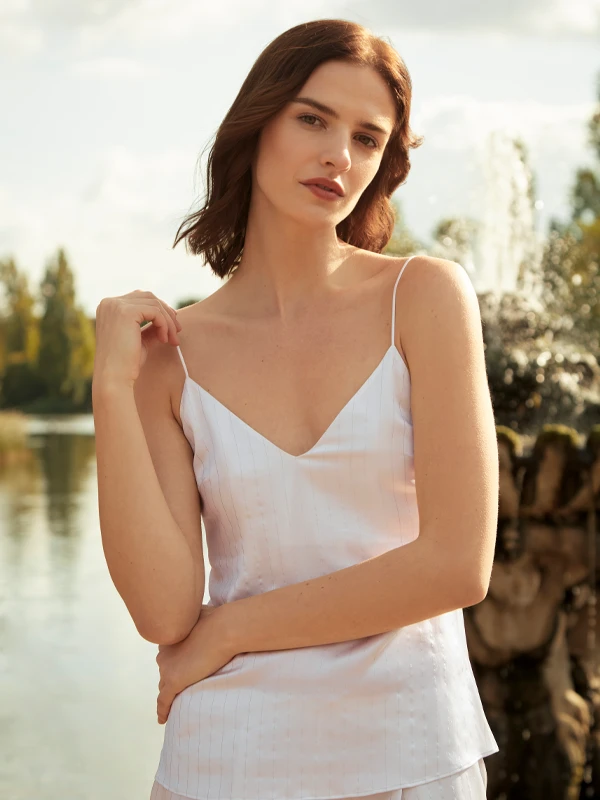
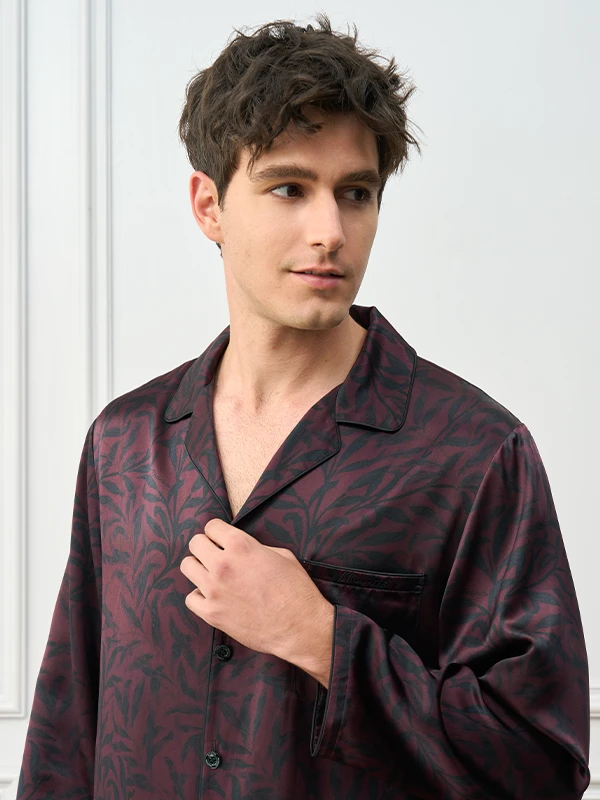
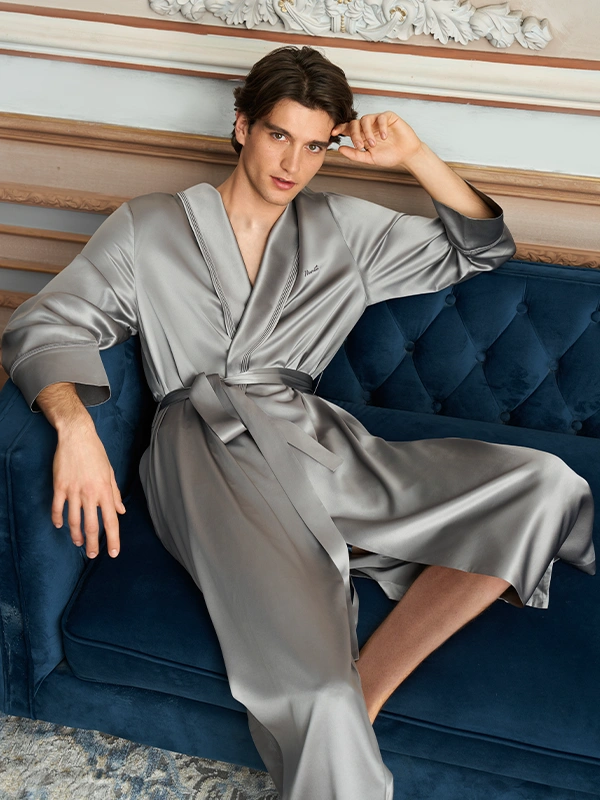
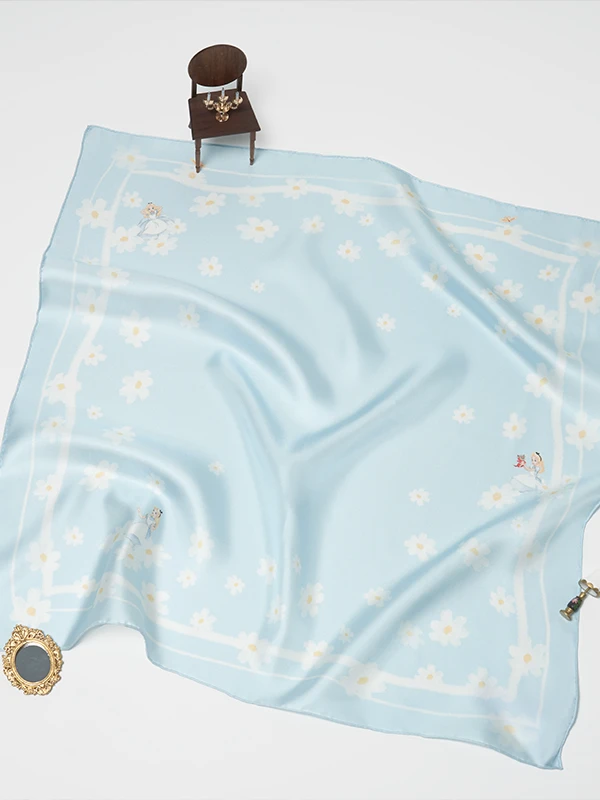
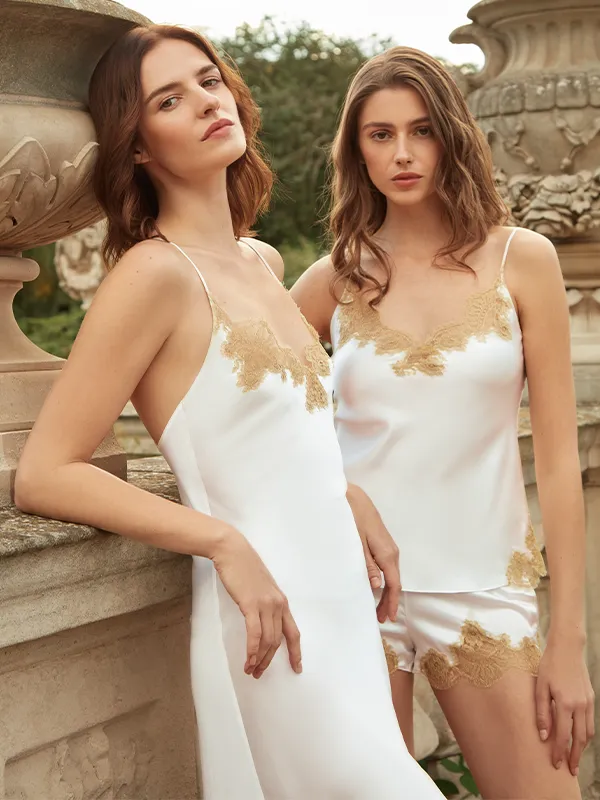
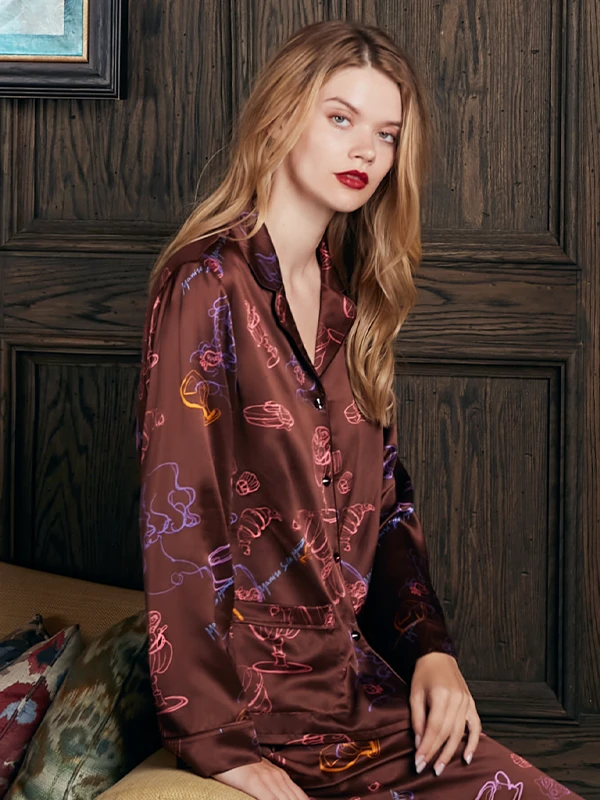
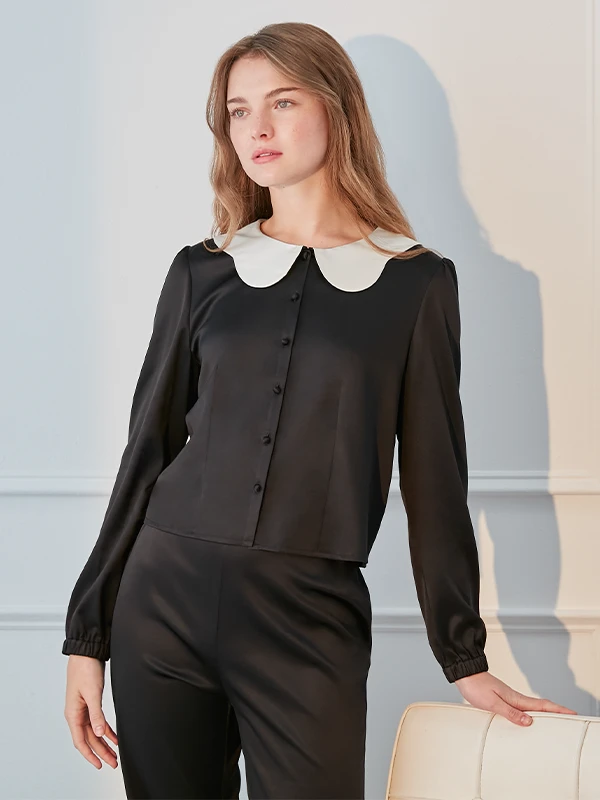
When people talk about silk, silk charmeuse may be the first thing that comes to mind. It has a glossy, smooth front and a matte back. It feels luxuriously soft and has a fluid drape. Silk charmeuse is ideal for evening dresses, blouses, and scarves. However, it is prone to wrinkles and should be gently steam ironed to retain its perfect appearance.
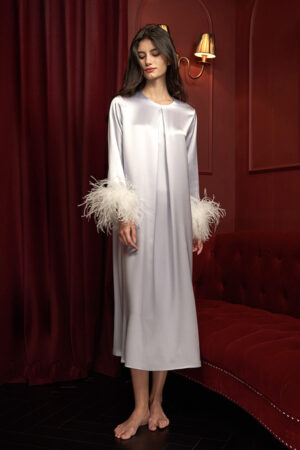
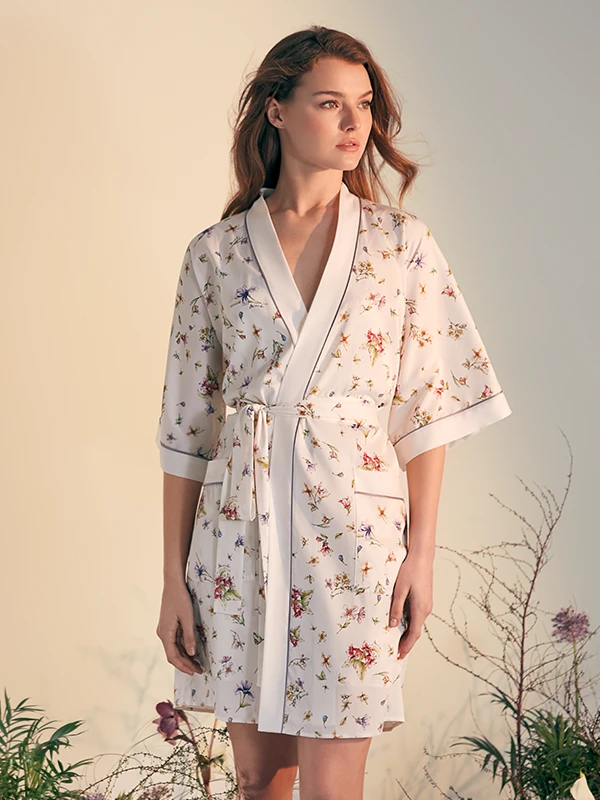
MANITO Fiesta Long Sleeve Nightdress
Elastic Silk Charmeuse
Elastic silk charmeuse is a modern take on traditional charmeuse as it is a silk charmeuse blended 90-95% silk and 5-10% spandex. It’s more durable, wrinkle-resistant, and easier to care for without losing the silky shine. Packs down to a nice flat size and is great for fitted garments like qipaos, scarves, and elegant dresses.
Silk Satin
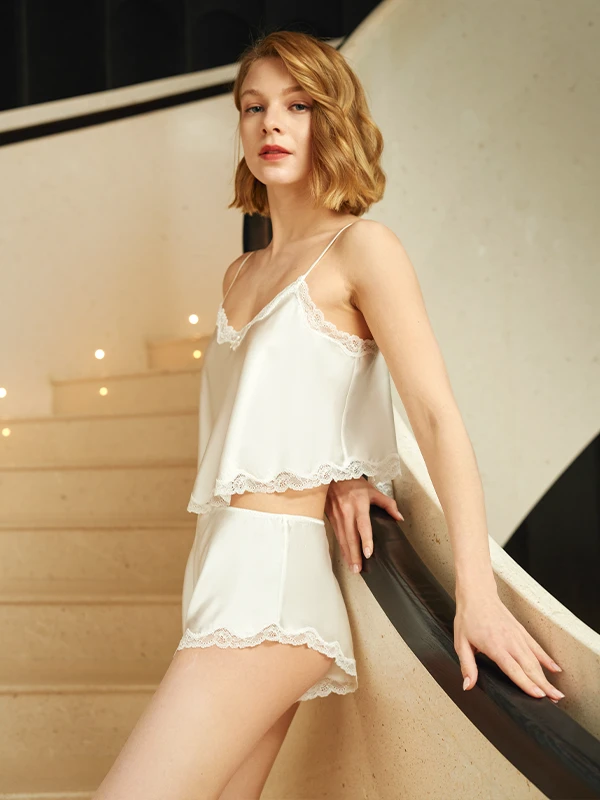
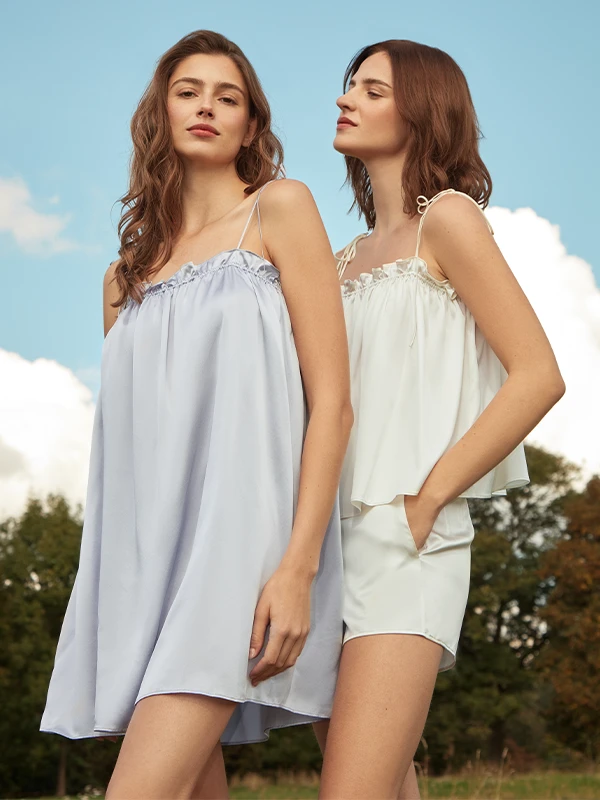
Silk satin has a double-sided shine and a smooth, luxurious texture. It is often used for evening gowns, lingerie, and decorative home items. Because of its delicate appearance, a bit more care is needed to get the most from it, but its opulent appearance more than compensates.
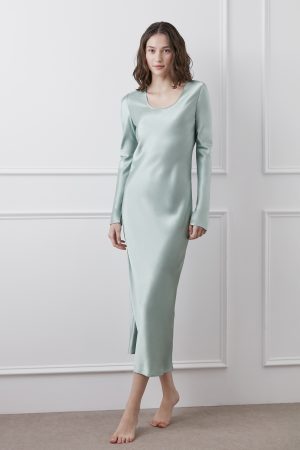
MANITO Muses Silk Midi Dress 1
Dupion Silk
Recognizable for its textured surface and natural slubs, dupion silk offers a rustic yet refined look. It’s crisp and holds its shape well, making it a favorite for wedding gowns, jackets, and drapery. Its unique charm lies in its ability to blend elegance with a touch of natural imperfection.
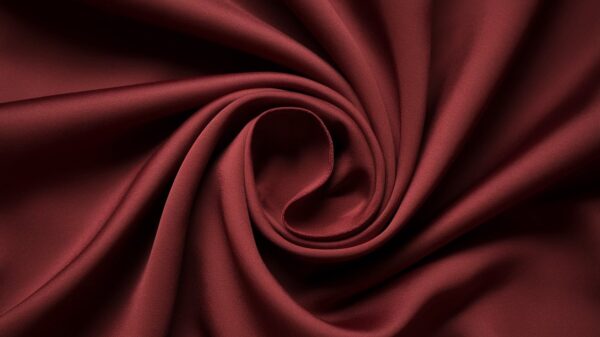
Silk Crepe (Double Crepe)
Silk crepe flatters so well because of its soft texture and the subtle wrinkles. Shirts, skirts, and lightweight dresses are often made out of them. Popular to this day, it was one of the mainstays of Chinese silk exports.
Silk Habotai (Electric Silk)
Also known as “electric silk,” habotai is lightweight and smooth. It’s available in various weights, from ultra-thin for scarves and linings to heavier grades for summer dresses. Habotai is a versatile fabric, balancing elegance with functionality.
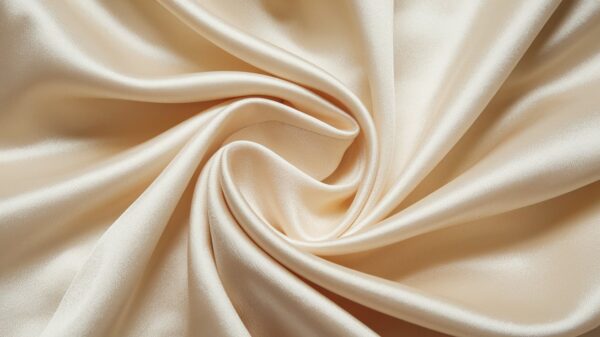
Silk Taffeta
This crisp and glossy fabric is both lightweight and elegant, often used for formal gowns, umbrella linings, and interior decor. However, it’s prone to permanent creasing, so handling with care is essential.
Heavy Crepe (Silk Chong)
A denser version of silk crepe, heavy crepe is durable and luxurious. Its substantial weight makes it ideal for high-end dresses and structured outerwear, offering a rich texture and excellent drape.
Silk Georgette
Lightweight, sheer, and slightly textured, silk georgette is known for its soft drape and flexibility. It’s often used for scarves, flowing dresses, and evening wear. The fabric’s delicate nature makes it perfect for creating elegant layers.
Organza
Organza is a sheer, stiff fabric that adds a structured elegance to garments. While often used in wedding dresses and accessories, true silk organza is softer and more delicate than synthetic versions. It’s a staple for overlays and intricate designs.
How to Identify Authentic Silk Fabrics
Identifying genuine silk can be tricky, but these tips will help:
- Touch Test: Real silk feels smooth yet slightly rough due to its natural fibers.
- Burn Test: Genuine silk burns with the smell of burnt hair, leaving fine ash, while synthetic fabrics melt or emit a chemical odor.
- Luster Test: Silk has a soft, natural sheen that changes subtly under different lighting conditions.
- Sound Test: Rub silk together to hear a faint rustling sound, known as a “silk murmur.”
Caring for Your Silk Fabrics
To keep your silk looking its best:
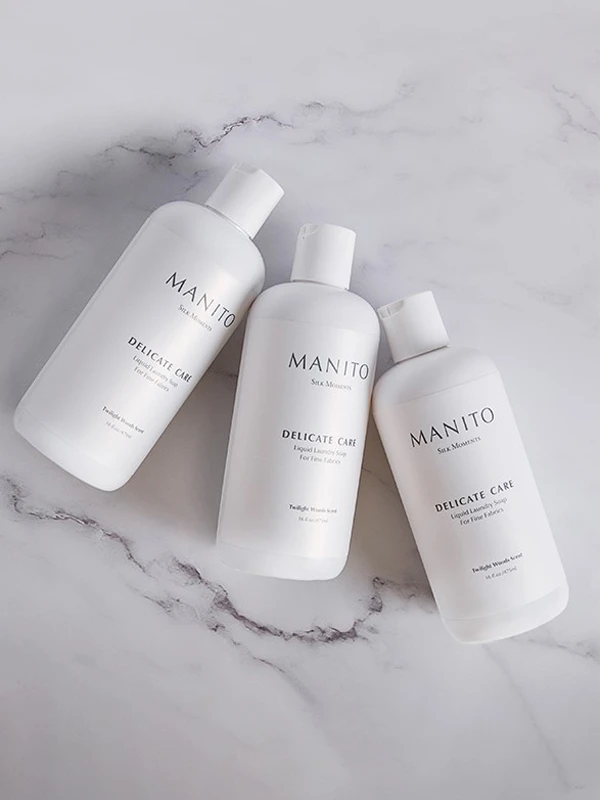
- Washing: Hand wash in cold water with mild detergent, or opt for professional dry cleaning.
- Drying: Lay flat or hang to dry in a shaded area; avoid direct sunlight.
- Ironing: Use a low heat setting, and place a cloth between the iron and the fabric to prevent damage.
- Storage: Store silk in a cool, dry place, and avoid folding excessively to prevent creases.
Conclusion
Silk fabrics offer unmatched elegance and versatility, with each type bringing its own unique charm. From the glossy allure of silk charmeuse to the rustic texture of dupion silk, there’s a silk fabric for every style and occasion. By understanding the qualities and care requirements of these fabrics, you can enjoy their luxurious appeal for years to come. Explore the world of silk, and let its timeless beauty elevate your wardrobe and home.