
















































Are you waking up with tired eyes or skin irritation? Your eye mask might be the culprit. Eye masks can improve your REM sleep and boost melatonin levels. These benefits last only as long as your mask’s condition remains good.
Replacing your eye mask at the right time and keeping it fresh is vital for your sleep quality and skin health. This piece walks you through clear signs that indicate replacement time and shares cleaning tips to extend your mask’s life.
Blog Roadmap
- The Lifespan of Different Eye Mask Materials
- 5 Clear Signs It’s Time to Replace Your Eye Mask
- How Often Should I Clean My Sleep Mask?
- Renew Your Eye Mask, Enhance Your Sleep
- FAQs
The Lifespan of Different Eye Mask Materials
Your sleep mask’s durability depends on what it’s made of. Let’s break it down so you can figure out when it’s time to toss that thing and grab a new one.
Silk masks: 2-3 months with proper care
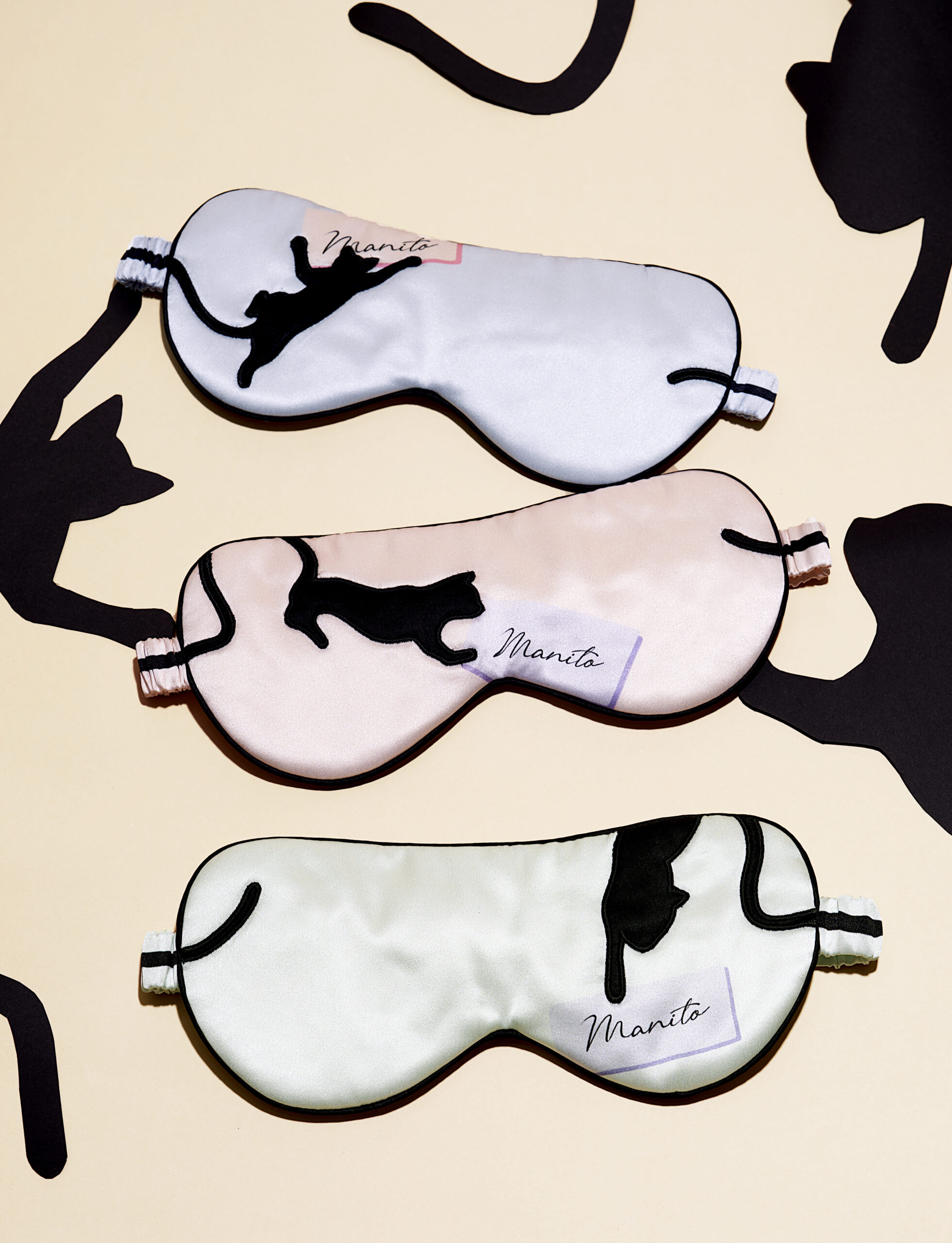
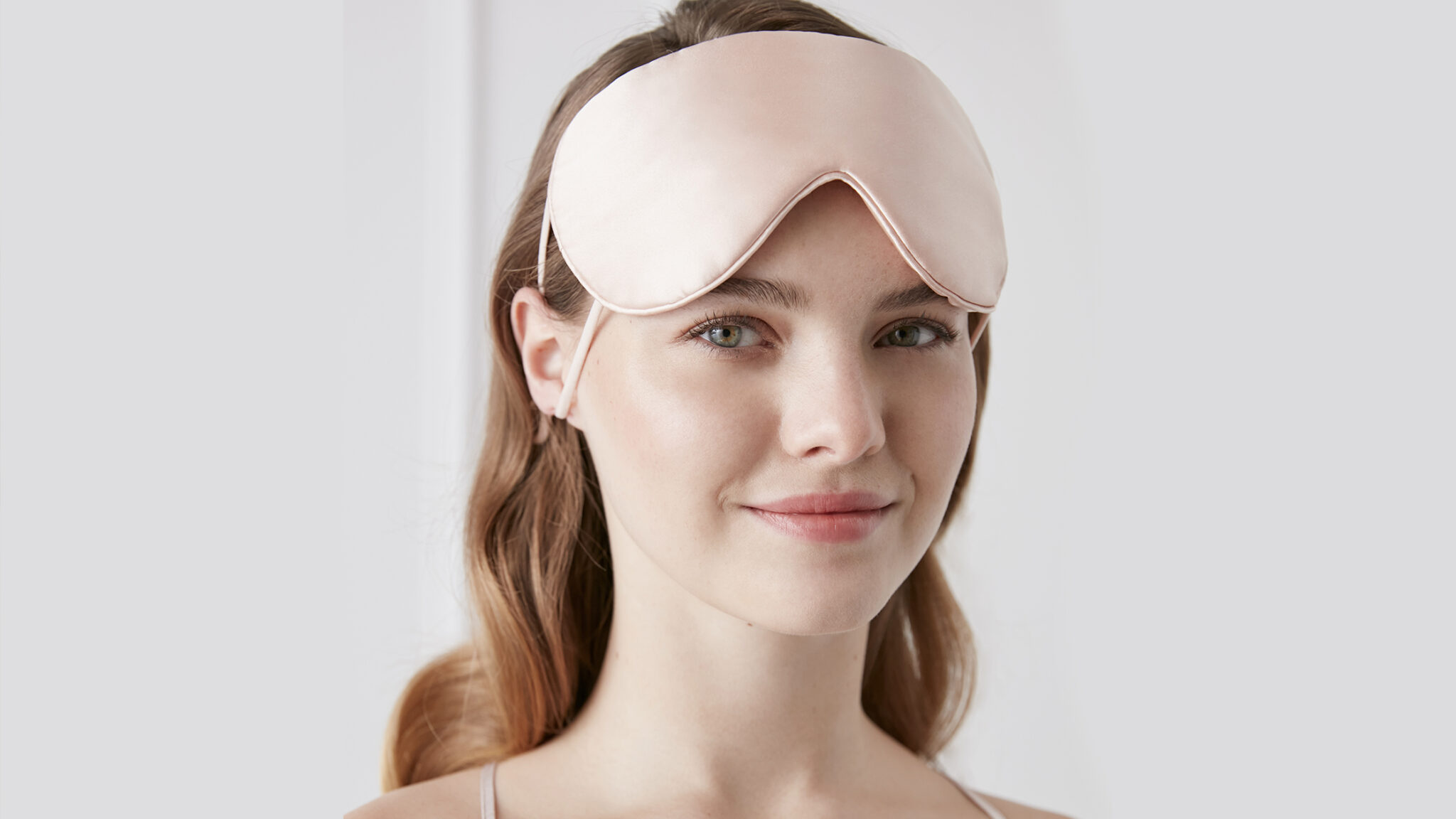
The silk eye mask offers a luxurious feel and several benefits. While the authentic silk material is durable, we recommend replacing it every 2-3 months to maintain its exceptional quality and hygiene. Regular replacement helps ensure the mask stays clean and fresh, delivering the best possible sleep experience.
Cotton masks: 4-6 months of regular use
Cotton eye masks are the reliable bestie—nothing fancy, just good value that lasts 4-6 months if you’re using them every night. They’re breathable, tough enough, and a breeze to wash, which is a win. That said, cotton isn’t flawless. It tends to absorb moisture and can lose its shape after repeated washes. As a result, you might find yourself replacing cotton masks more frequently than silk ones, which can add up, cost-wise over time.
Memory foam masks: 3-6 months before compression
Memory foam sleeping masks usually need replacing every 3-6 months. The main downside? Air and moisture can break down the foam or make it brittle over time. Some users even notice their masks starting to crack around the nose area after just 3-4 weeks.
Proper storage and regular cleaning can stretch the lifespan of any mask and keep it performing at its best, regardless of the material.
5 Clear Signs It’s Time to Replace Your Eye Mask
Quality eye masks will show signs of wear and tear at some point. You need to know the right time to replace them to keep them comfortable and effective. Let’s look at five clear signs that answer the question, “how often should I replace my eye mask?”
Visible wear and tear on fabric
Take a good look at your eye mask’s physical condition. The fabric might be fading, pilling, or fraying – all signs that your sleep mask needs replacement. Regular washing and daily use will break down the fabric and make it less comfortable. Your silk and cotton masks might lose their softness and won’t feel as gentle on your facial skin.
Stretched-out or damaged elastic
Your sleeping mask won’t stay in place once the elastic band starts to lose its grip. It will slide off while you sleep, which can affect your sleep quality. You might want to just tighten it and keep using it. However, the poor elasticity changes how the mask sits on your face and can create uncomfortable pressure points.
Persistent odors despite washing
A red flag appears when your mask keeps smelling bad even after you wash it properly. This means bacteria or oils have built up in the fabric. These lingering smells point to deep-set contaminants that won’t come out with regular washing, making the eye mask unhygienic to use.
Decreased effectiveness in blocking light
Sleeping masks should create darkness to help you sleep better. If the light starts coming through the fabric or around its edges, your eye mask needs replacement. This usually happens as the fabric gets thinner or the mask loses its original shape.
Skin irritation or breakouts after use
Your face might get red, develop acne, or show other skin irritations after wearing your eye mask. That’s a clear sign you need a new one. Old masks can collect bacteria that transfer to your face during sleep and cause skin issues. Some people get styes after wearing the same unwashed mask for about a month. This shows why you need to clean your mask regularly and replace it on time.
How Often Should I Clean My Sleep Mask?
A fresh eye mask keeps things hygienic and stretches its lifespan. Oils, sweat, and bacteria pile up over time, and tons of people have no clue how often to deal with it.
Most folks should give their mask a cleanup once a week—sync it with your sheet-washing routine for an easy win. That tackles the gunk from nightly use. If you’ve got normal skin and only use your mask for travel or naps, every 2-3 uses is fine. For silk masks, skip to our new care tips below—those fancy cores need special handling!

How to Care for Your Silk Eye Mask (No Washing Needed!)
Here’s how to keep your sleeping masks fresh without risking damage:
- Spot clean gently: Grab a soft microfiber cloth, dampen it with cool water (no soap unless it’s silk-safe, and even then, just a smidge), and dab at any surface spots. Don’t soak it—the goal’s to clean the outside without wetting the core.
- Brush it off: Got dust or crumbs? A soft makeup brush can sweep it away, no liquid needed.
- Air it out: Hang your mask somewhere breezy (not in direct sun) for a few hours. It’ll zap light odors or sweat naturally.
- Freeze it: Seal it in a plastic bag and toss it in the freezer overnight. The cold kills bacteria and smells—perfect for a dry refresh.
These tricks keep your silk eye mask clean and cozy while protecting that delicate core. Still stumped? Maybe replace a new one if it’s starting to feel less luxe than it used to—your sleep deserves the best, right?
How to Store Your Eye Mask?
The place where you keep your mask makes a huge difference. A protective case or bag shields your eye mask from dust and sunlight that might damage it. UV rays fade the fabric and make it weak over time. Silk masks need special attention – lay them flat or roll them loosely instead of folding to avoid permanent creases.
Several storage essentials include:
- A breathable, acid-free container (avoid airtight plastic)
- A cool, dry location away from windows or heat sources
- Store separate from heavy or sharp objects that might damage delicate fabrics
Renew Your Eye Mask, Enhance Your Sleep
Sleep masks are crucial for quality rest, but their performance depends on how well you maintain and replace them. Your eye mask’s material and expected lifespan will help you decide the right time to replace it.
Proper cleaning is the life-blood of mask maintenance. You should look out for warning signs like worn fabric, loose elastic, or lingering odors. These signs tell you it’s time for a replacement before your sleep quality or skin health suffers.
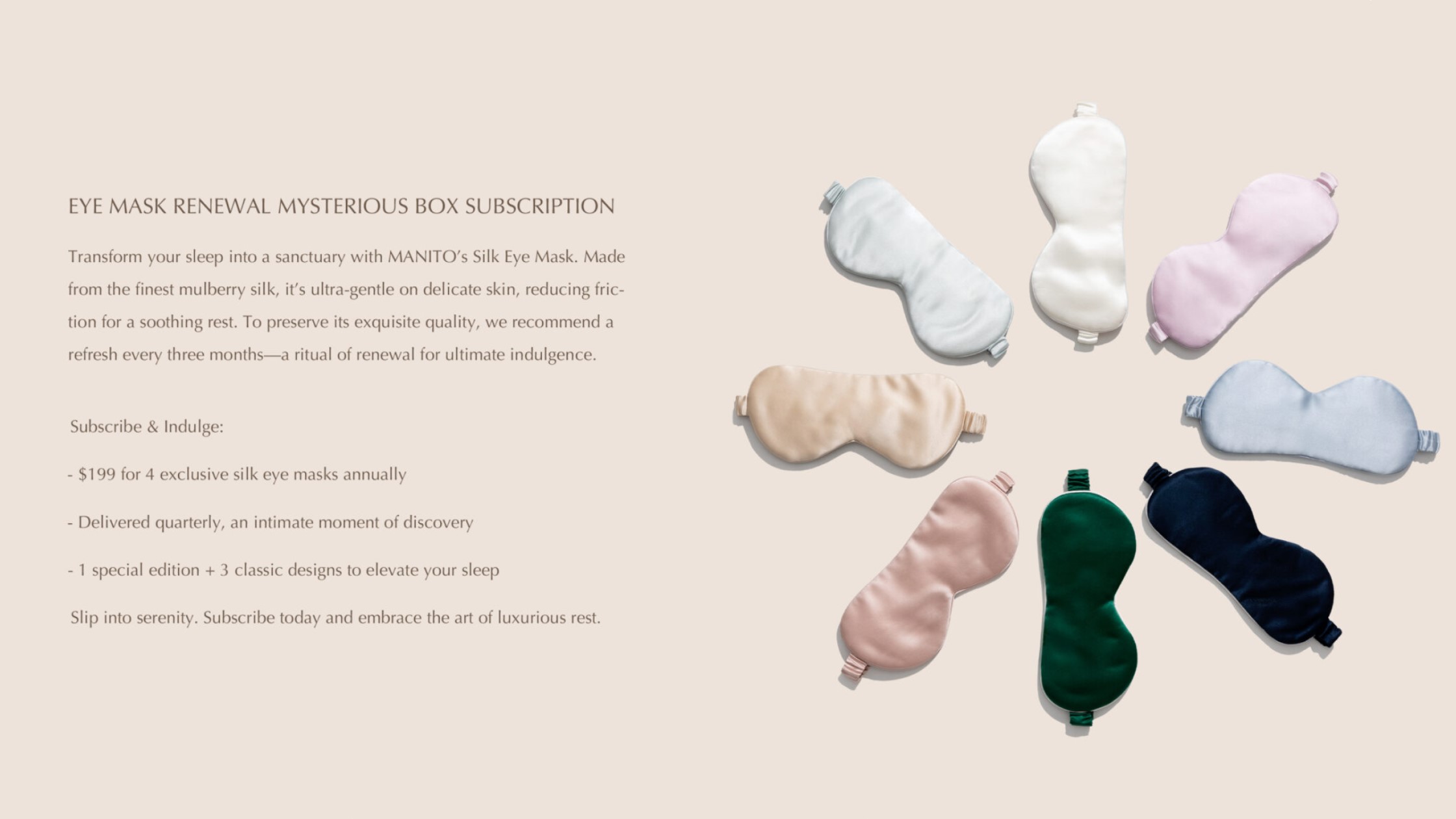
Like what we said before, we recommend replacing silk eye masks every two to three months? To make this easy and convenient, we’re excited to announce MANITO’s Eye Mask Renewal Program.
Join our year-round membership event and receive a randomly selected, luxurious silk eye mask delivered to your door every quarter. This ensures you always have a fresh, clean mask for the best possible sleep. Learn more and sign up here.
FAQs
Q1. What are the signs that I need a new eye mask?
Look for visible wear and tear on the fabric, stretched-out elastic, persistent odors despite washing, decreased effectiveness in blocking light, and skin irritation or breakouts after use. These are clear indicators that it’s time to replace your eye mask.
Q2. How frequently should I clean my sleep mask?
For basic maintenance, wash your sleep mask once a week. If you have sensitive or acne-prone skin, clean it 2-3 times weekly. Spot cleaning between washes can help maintain hygiene. Always follow the care instructions for your specific mask material.
Q3. Can I extend the lifespan of my eye mask?
Yes, you can extend your eye mask’s life by storing it properly in a protective case away from sunlight, using gentle washing methods appropriate for the material, and rotating between multiple masks to reduce wear on any single one.
Q4. Are there different cleaning methods for various mask materials?
Indeed, different materials require specific cleaning approaches. Silk masks should be hand-washed with pH-neutral detergent in lukewarm water. Cotton masks can be machine-washed on gentle cycles. Regardless of the material, always air dry your mask naturally in a shaded area.