





































Well, believe it or not, different types of silk exist! Silk is not all the same. There are categories or grades to classify silk based on its softness, sheen, and appearance. The grades help buyers distinguish pure silk, which is absolutely the best. Therefore, before buying silk for apparel or bedding, knowledge about silk grades is handy.
But do not worry; in this blog, we will keep it simple. Besides, we shall debunk some myths surrounding silk that almost everyone believes (but are untrue!).
In This Blog, You’ll Read
What Are the Grades of Silk?
Silk is categorized into different grades. Silk grading refers to evaluating silk quality based on factors like fineness, uniformity, or fiber quality. It is done on both raw silk made from cocoons and silk fabrics. Many industries, like fashion, home decor, or manufacturing, do silk grading.
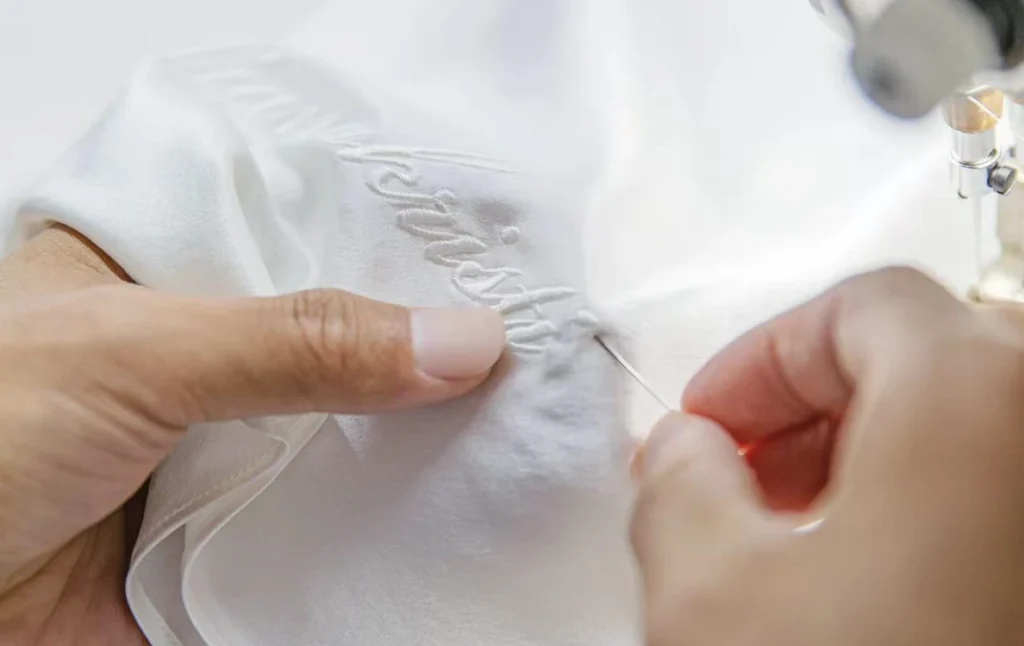
Raw Silk Grading
Silk is graded according to the International Silk Grading Standard. The different grades are:
- Grade A: The highest quality of silk. It’s characterized by a pearly white color, and its single fiber can stretch as long as a mile. It is free of impurities and is lightweight. Grade A silk is further divided into several varieties like 6A, 5A, 4A, 3A, 2A, and so on. These subcategories are popular in markets of India and China.
- Grade B: Slightly lower quality than Grade A. It features shorter silk fibers and has more clumps, which makes its texture uneven. Grade B silk feels less comfortable than Grade A and doesn’t have the same luster. It is mostly used to make kaftans or kurtas.
- Grade C: The innermost silk. It has a yellowish appearance and feels like cotton. It barely has shine and is not as breathable as Grades A and B. Grade C silk is used to make pillows or duvets.
Silk Fabric Grading
Silk fabric is graded through a metric known as momme (mm). It helps determine the density and weight of the silk. For example, you may see different silk products like 12mm scarves or 19mm bedding.
Silk comes in different weave types. Dupioni silk is made by combining silk fibers from two silkworms that spin their cocoons together. Slubs form the irregularities found on its surface. Due to its texture, dupioni silk has a handmade appearance.
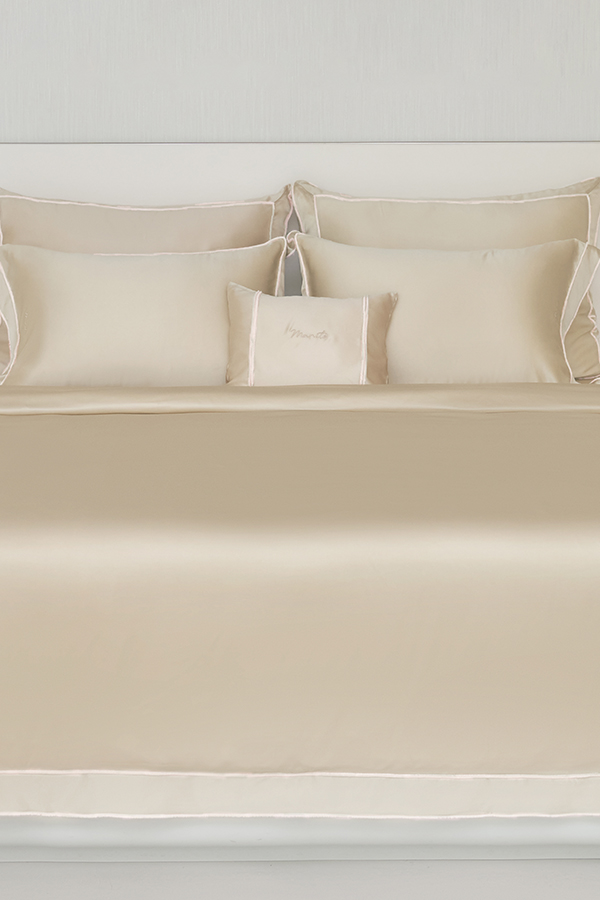
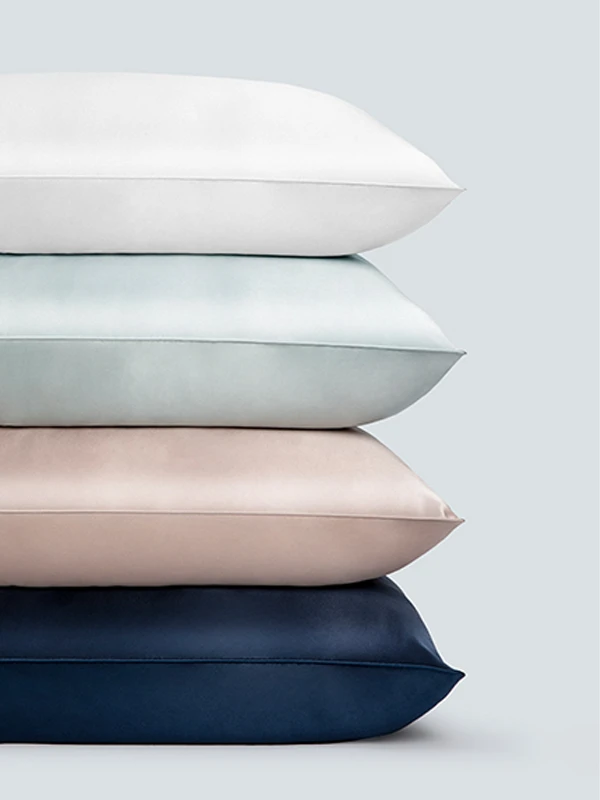
Habotai silk is super light and smooth. It feels soft on your skin and is often used to decorate clothes. It’s mostly woven in countries like China or Japan. It is used to make soft dresses like blouses or skirts. Charmeuse silk is shiny, light, and very soft. It’s great for fancy dresses and things like lingerie. It’s also used in pillow covers. When people grade silk, they look closely for any little problems, like marks or damage. These things can change the silk’s grade. Slubs, for instance, are rough protrusions on the silk surface. Sometimes, there is a problem of uneven dyeing, giving rise to shades. Therefore, silk fabrics must be scrutinized, and these problems must be sorted during grading.
Regional Standards
Silk quality also varies from region to region. For instance, in the origin of silk (China), manufacturers focus on cocoon quality, whereas in India, the focus is on the silk grading system. They prefer grades 2A–4A of mulberry silk.
Why Silk Grades Matter
Silk grading is very important. Consumers are always looking for the best silk that offers maximum comfort and quality. Businesses need to meet their customers’ expectations.
- High-grade silk (5A/6A, Grade A): Ideal for luxury dresses, bedding, or scarves due to high smoothness and durability.
- Mid-grade silk: Suitable for casual clothing or blended fabrics.
- Low-grade silk: Used in upholstery or industrial applications.
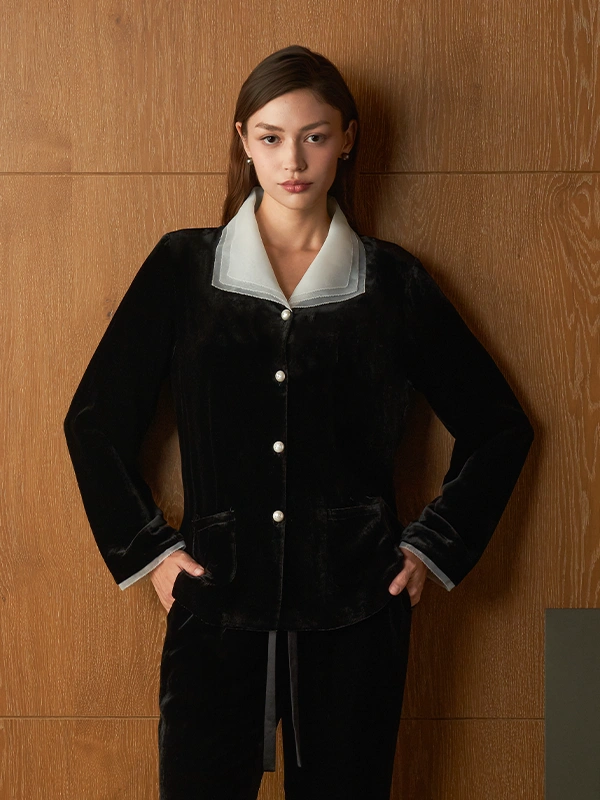
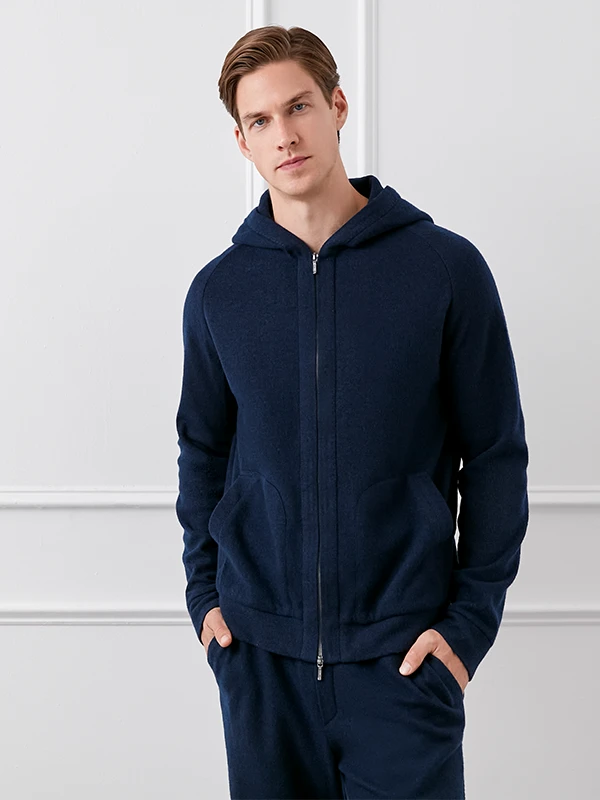
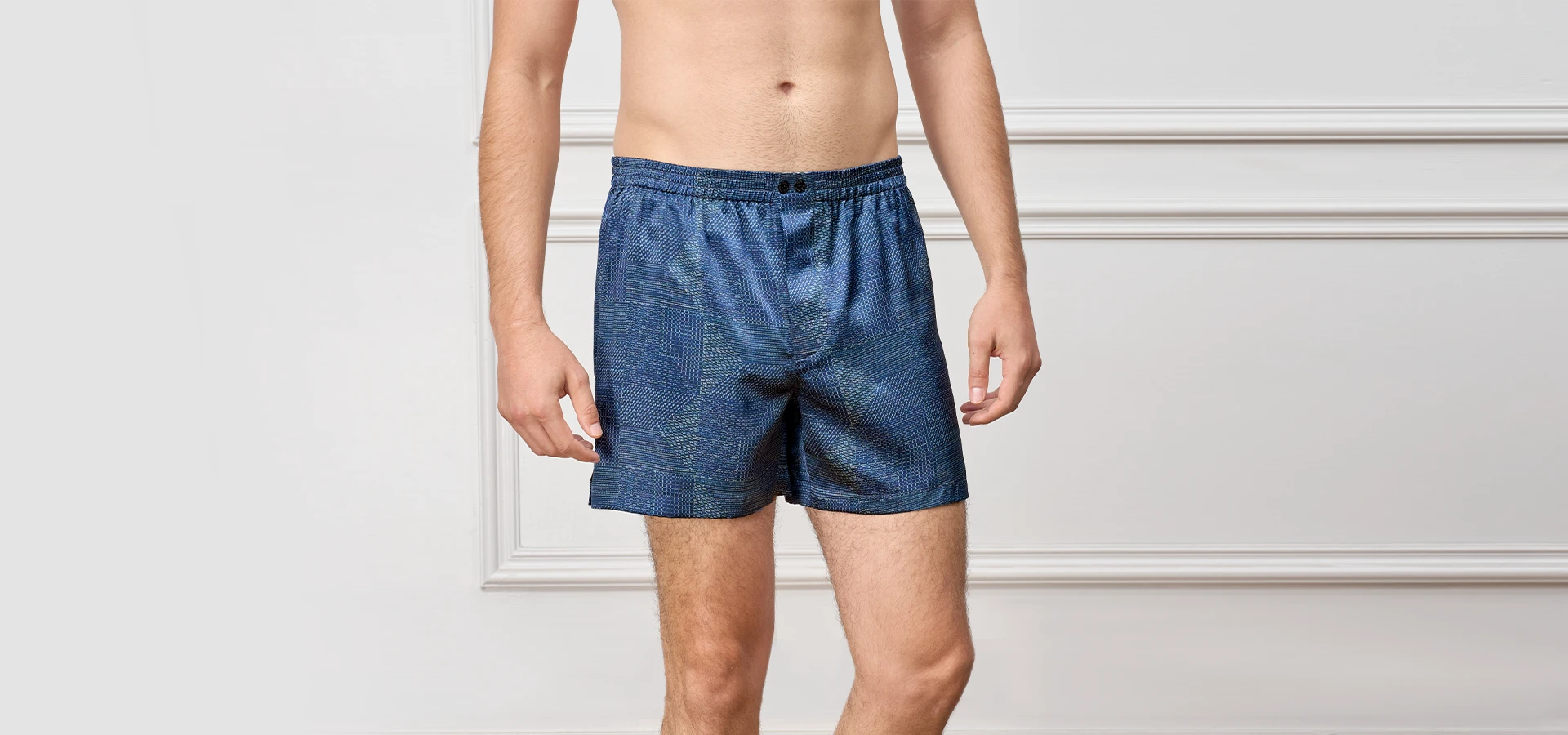
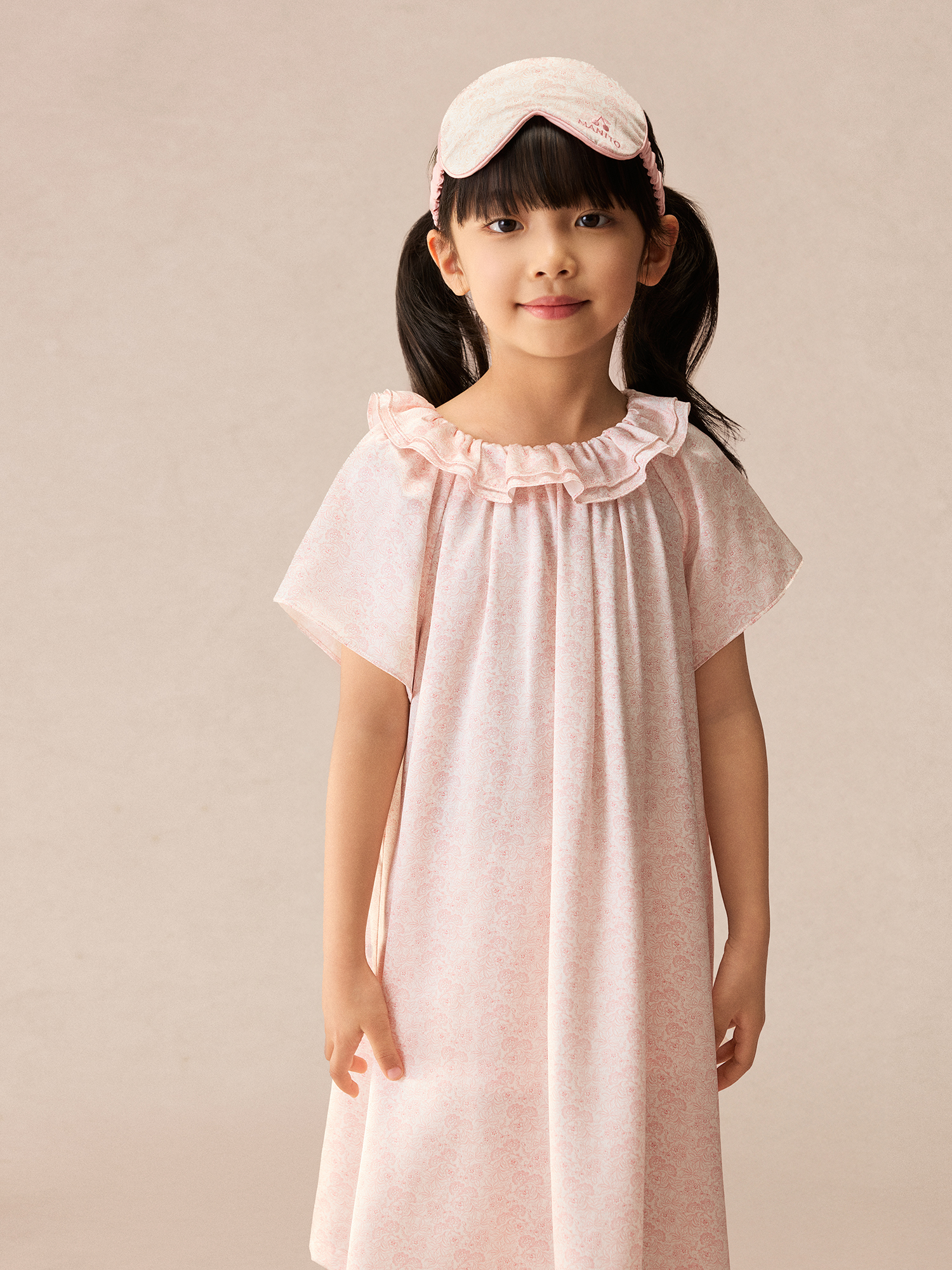
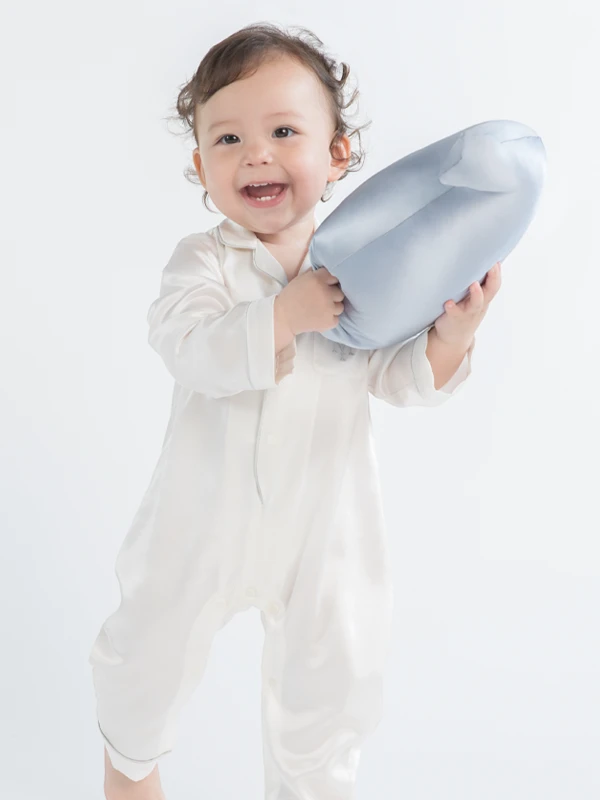
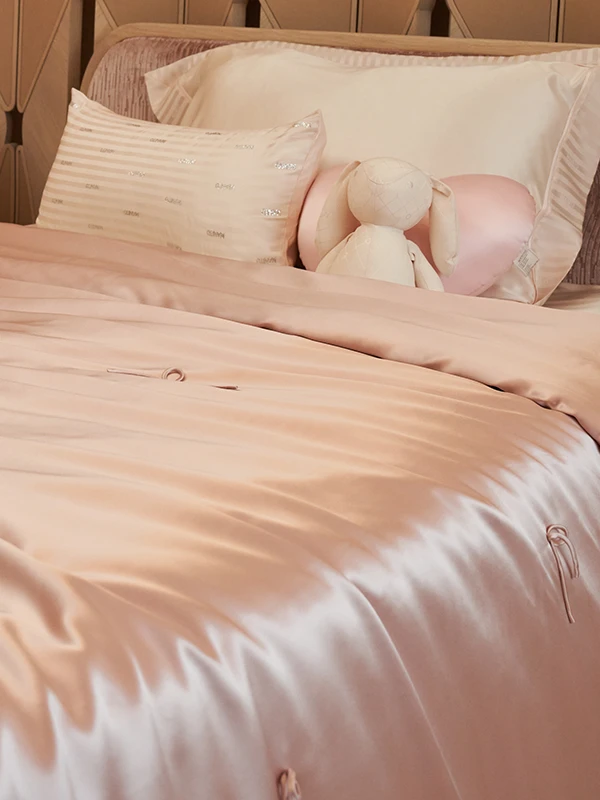
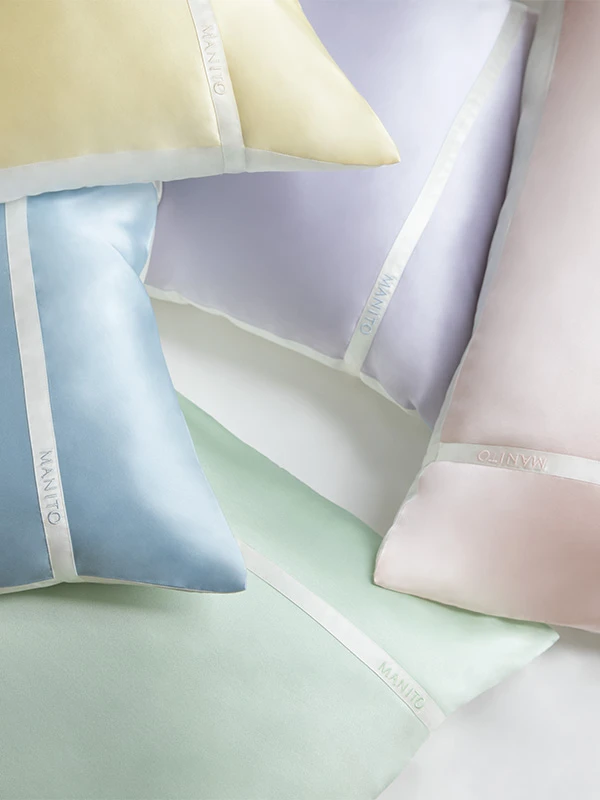
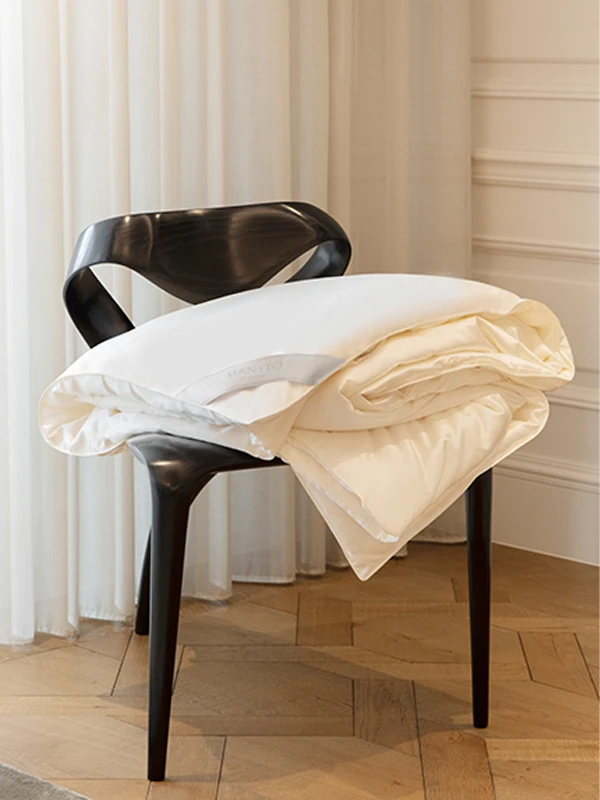
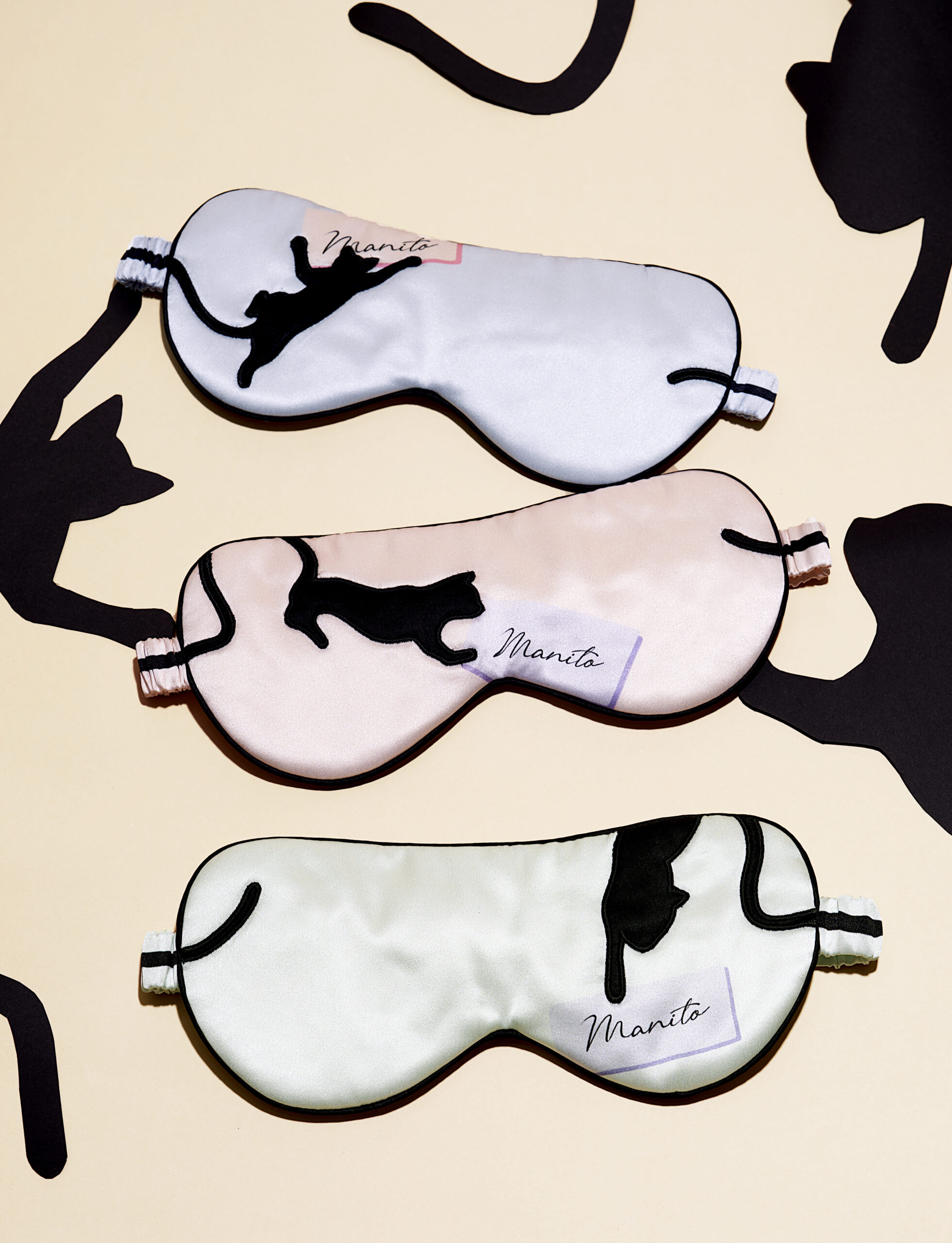
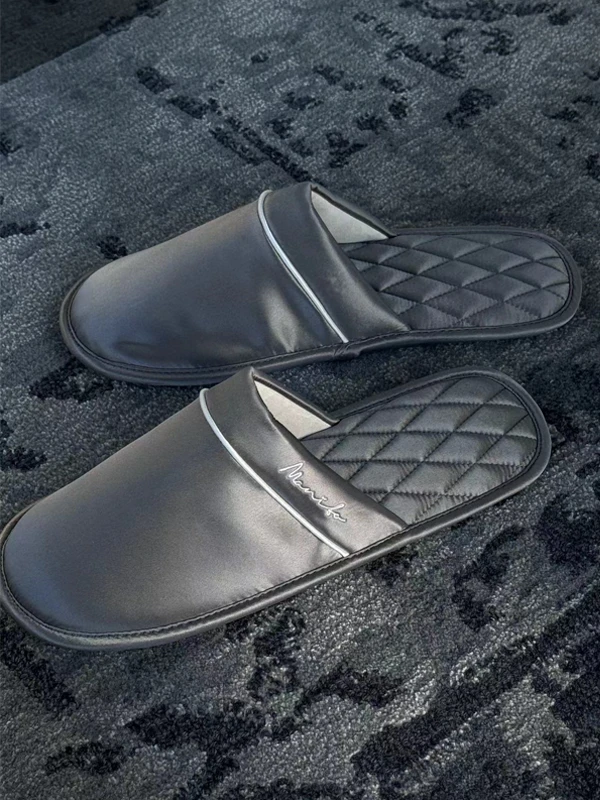
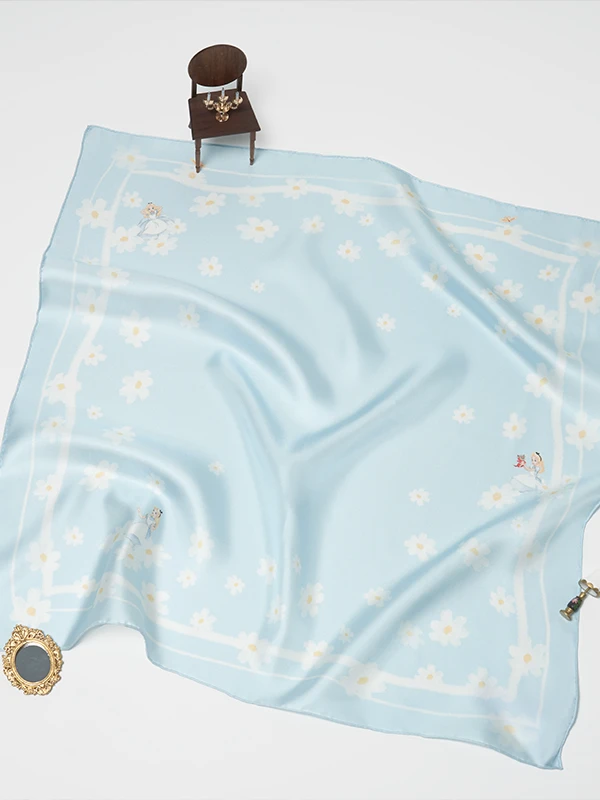
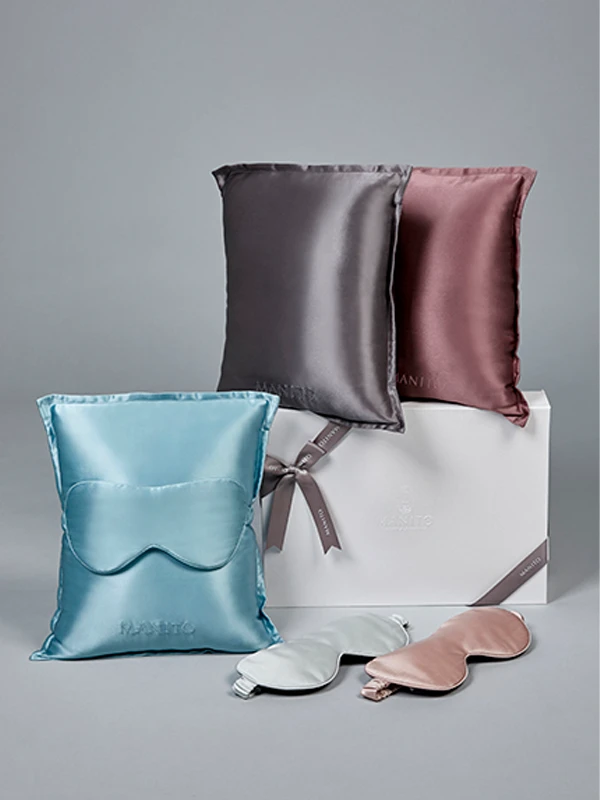
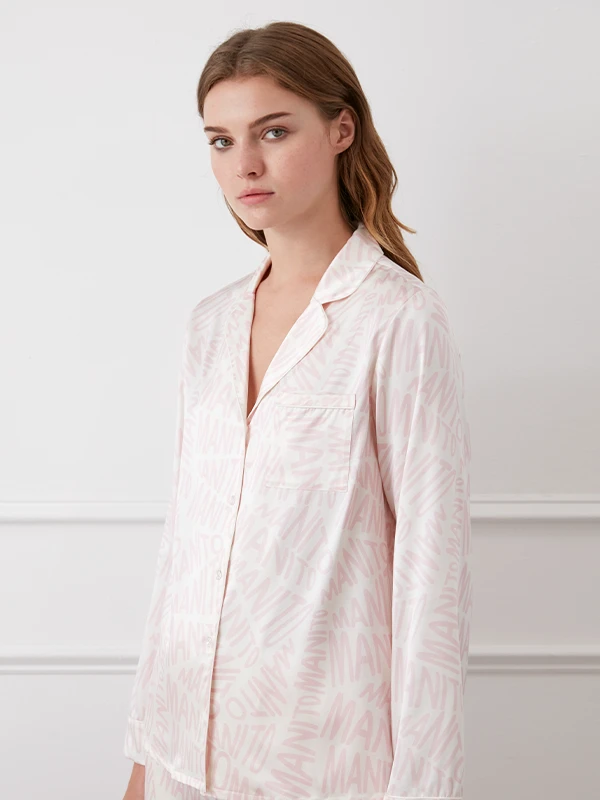
All MANITO silk products are made from 6A-grade silk, which offers the highest quality and impressive softness. They are also quite durable and meet the customer’s demands for premium silk goods.

Common Myths About Silk Grades
Many people assume that all kinds of silk are the same and that there is no difference in their quality. Many also think that a higher silk momme count means better silk quality. These are not true. Silk grading depends on the type of silk, and standards vary regionally.
Meanwhile, people’s criteria for choosing silk vary from region to region. For example, in Canada, consumers often prioritize sustainability, valuing eco-friendly production methods. Choose trusted brands like MANITO, whose fabrics carry the Made in Green certification, ensuring sustainable and high-quality silk.
Conclusion
Silk grading is very beneficial. It allows manufacturers to categorize silk and consumers to select the best quality silk. They can also get a better idea of which silk to consider for specific products. You must check product labels and research suppliers to get fine-quality silk. Explore the website to see the various available silk products.
MANITO strictly uses 6A-grade silk to make premium silk products, like bedding and apparel. We are committed to using the highest silk quality to ensure comfort and sophistication for our dear customers.