


































Is your head driving you crazy with all that scratching? Especially at night? Yeah, we know. That kind of constant itch makes it difficult to sleep and concentrate. And most of the time, it doesn’t even come from something serious – but wow, it sure feels serious when you’re lying there trying not to scratch again.
There are lots of reasons your scalp might be acting up. Maybe it’s dandruff. Maybe your shampoo’s too strong. Or your pillowcase. Or something you’re allergic to. The point is – it’s not always just one thing.
The good news? You don’t need to do anything extreme to feel better. Wondering how to stop an itchy scalp? However, a few subtle fixes will go a long way.
Change the pillowcases to silk; apply oil before washing; and cut down on shampooing. Stick with these small steps for a bit, and chances are, that annoying itch? It’ll calm down.
Table of Contents
- Understanding the Causes of an Itchy Scalp
- Comprehensive Solutions for an Itchy Scalp
- When to See a Dermatologist
- Conclusion
Understanding the Causes of an Itchy Scalp
Before you try anything, you’ve gotta figure out why it’s itching in the first place. Otherwise, you’re just guessing. Below are some common reasons your scalp might be screaming at you:
- Dandruff: The flakes, the oil, the itch – yep, that’s dandruff. It usually shows up because of seborrheic dermatitis or too much yeast on the scalp.
- Dry scalp: You know how your skin gets dry in winter? The same thing can happen to your scalp. Harsh shampoo, cold air, and just washing your hair too often can strip away those natural oils and give you a dry, irritated scalp.
- Allergies: Sometimes your scalp just doesn’t like something. Maybe it’s the hair dye. Or your new shampoo. Or even your pillowcase. If it started right after you used something new, that’s a clue.
- Skin conditions: Psoriasis. Eczema. Fungal stuff. These don’t just show up on your arms or legs – your scalp can get them, too. If you’ve got red patches or thicker flakes that don’t go away, this might be why.
- Lifestyle stuff: Stress, not washing your hair enough, sleeping on rough fabric—it all adds up. Maybe it doesn’t seem like a big deal, but it could be making your scalp worse without you realizing it.
Comprehensive Solutions for an Itchy Scalp
Now, let’s be honest. There’s no magic button for this. You can’t do one thing and expect it all to go away tomorrow. But the itchy scalp treatments below? They actually help – if you stick with them for a week or two. Don’t rush. Just try one or two at a time.
Gentle Hair Care Routine
Some shampoos are just too strong. They clean your hair, sure — but they also take away all the natural stuff your scalp needs. Try something sulfate-free and super gentle if it has tea tree oil or aloe; even better.
Also, don’t wash your hair every day. Two or three times a week is enough. Overwashing is one of the biggest causes of a dry, itchy scalp.
Moisturizing Treatments
If your scalp is dry, you need to soothe and replenish it. Coconut oil works great. Just warm a bit in your hands, rub it into your scalp, leave it for 15 minutes, and rinse it out. Don’t overdo it – a little goes a long way.
Aloe vera gel can also cool it down if it feels hot or sore. And if you’re up for it, you can try mixing apple cider vinegar with water and rinsing your scalp gently. It sounds weird, but it balances the skin really well.
Use a Salt and Vinegar Mixture
This one’s for really stubborn dandruff, greasy, itching scalp, and before you wash your hair, add some water, vinegar, and salt (7 parts water, two parts vinegar, and one part salt) to a bowl. Massage onto the scalp and leave for five or seven minutes; then rinse off and wash with a shampoo that is baby smooth. It won’t feel great the first time, but stick with it.
Avoid Irritants
If your shampoo, gel, or spray is making things worse, stop using it. Look at the labels. If there’s fragrance, alcohol, or strong chemicals, that could be the problem. And maybe don’t use boiling-hot water on your scalp, either. Lukewarm is just fine.
Lifestyle Adjustments
Stress messes with everything – including your skin. If you’ve been super tense lately, your scalp might be reacting too. Try breathing exercises, go for a walk, and stretch. It doesn’t have to be complicated.
Also, hygiene matters – but don’t go overboard. Wash your scalp often enough to keep it clean but not so often that it dries out.
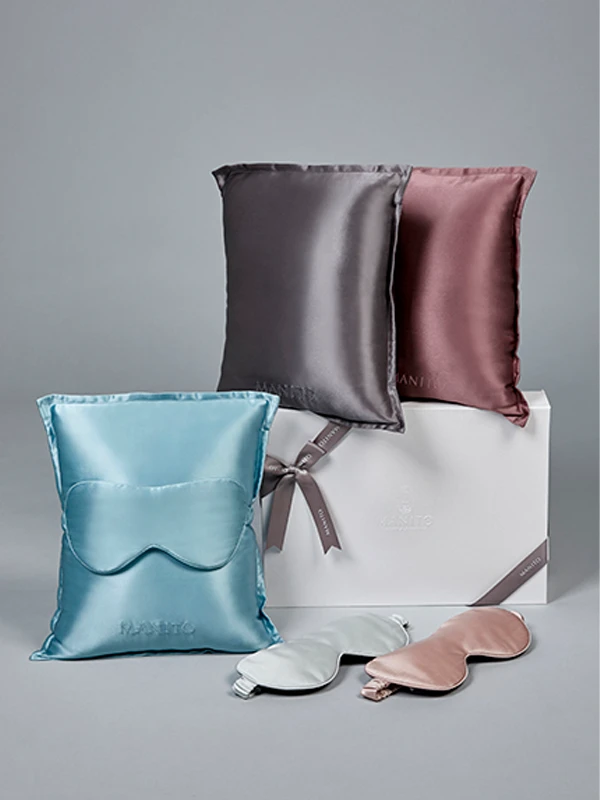
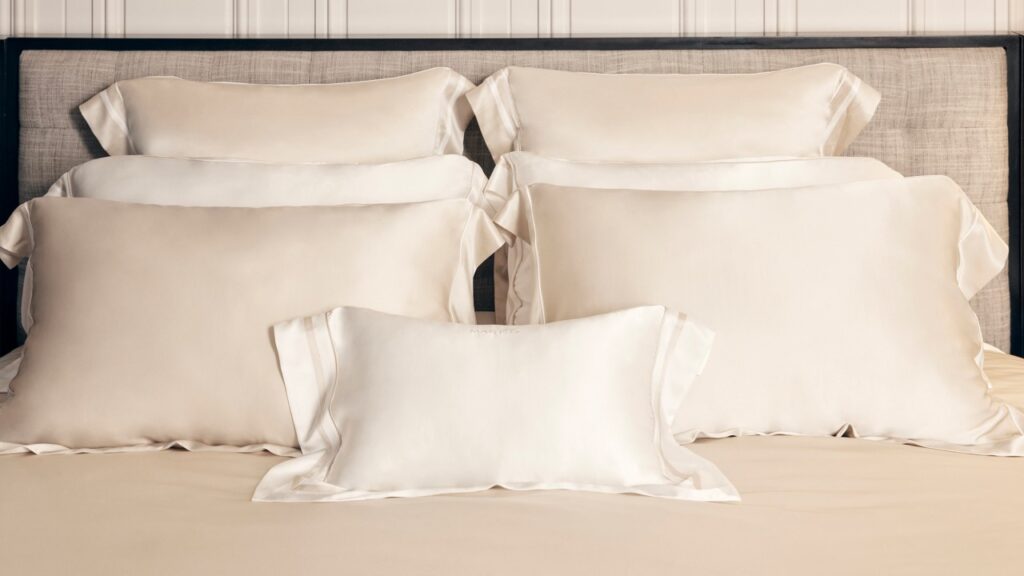
Switch to a Silk Pillowcase
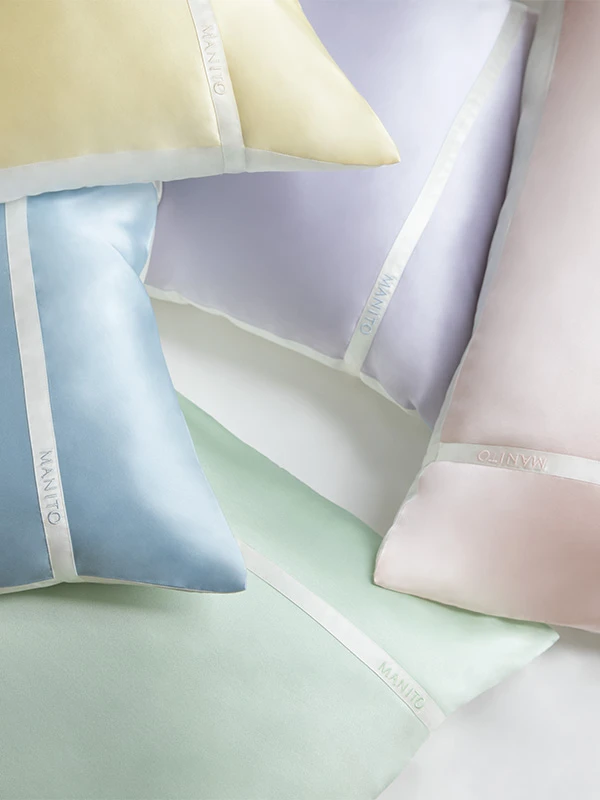
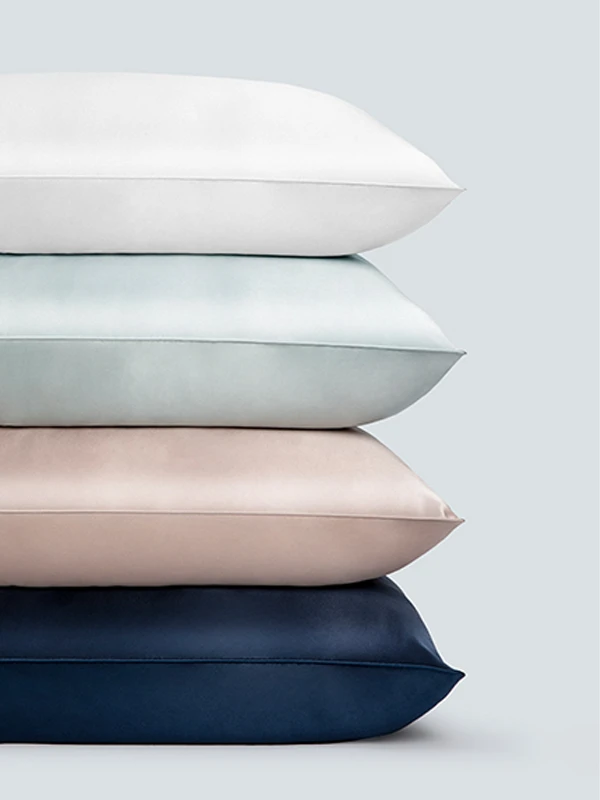
Now, cotton pillowcases are so harsh on the scalp. They tug on your hair, absorb moisture, and can also trap dirt. Silk? Much softer. The benefits of a silk pillowcase for hair are simply too many. It keeps your scalp calm, smooths your skin, and helps keep your hair less frizzy.
When to See a Dermatologist
If none of this helps, or things get worse — like redness, sores, or hair loss – don’t wait. That’s when you call a dermatologist. You might be dealing with something like psoriasis or a scalp infection. And that needs a proper plan, not just home tricks.
Conclusion
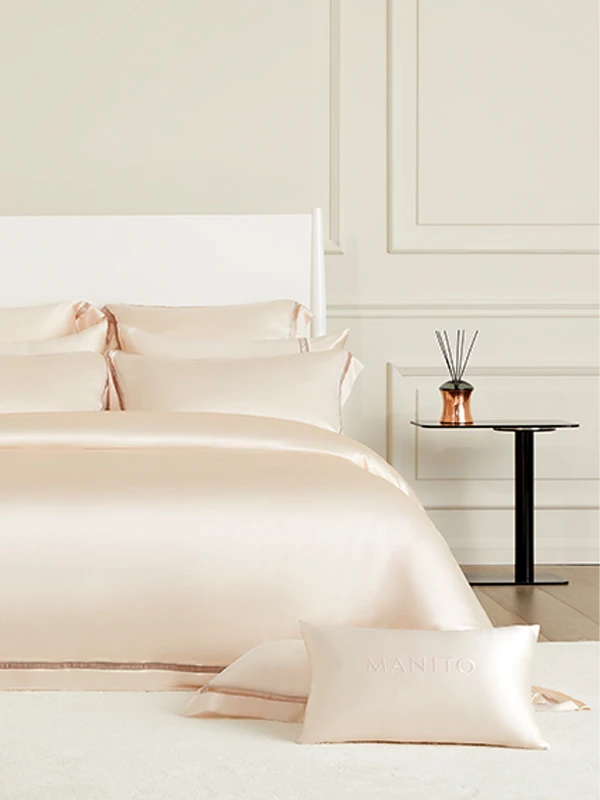
Say no to an itchy scalp! Switch to a gentle shampoo, apply oil to your hair, and use a silk pillowcase. Give it some time to see the magic. And if you’re looking for a soft pillowcase that won’t mess with your scalp,
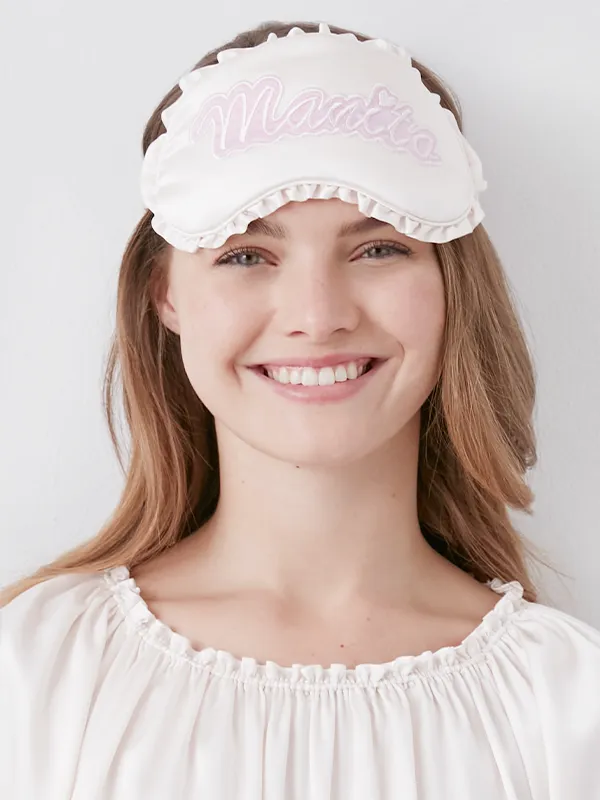
MANITO makes really good silk ones. They’re comfy, gentle, and kind to sensitive skin. You can check them out at manitosilk.com.
Hope your scalp gets the peace it deserves.