
















































Typically, core sleep refers to the longest period that an individual rests in a day. It is the fundamental portion of sleep that is required by the body for overall well-being. Some key aspects of the importance of core sleep include physical restoration, emotional regulation, memory consolidation, hormonal balance, and cognitive function.
Researchers went deeper following their quest to understand what core sleep is and specific stages of sleep. It was during the 20th century that significant developments were made in sleep studies. The concept of core sleep evolved from a basic understanding of sleep stages to a more important role that it plays in physical, mental, and emotional health.
What is Core Sleep?
Understanding the biological basis of sleep and sleep cycles is important in terms of finding out the fundamentals of core sleep. Core sleep is associated with the uninterrupted, deep stages of non-rapid eye movement (NREM) and rapid eye movement (REM). Besides, a complete sleep cycle may consist of multiple sleep cycles. The stages of NREM and REM sleep alternate within a sleep cycle.
Core sleep is linked with physical restoration, memory consolidation, and hormonal balance. While other sleep phases contribute to these functions, core sleep is considered the most crucial for overall well-being.
Benefits of Core Sleep
There is a relation between core sleep and the release of growth hormone. This hormone is important for muscle repair, growth, and overall physical recovery. When you have adequate core sleep, it contributes to the proper functioning of your immune system. It regulates blood pressure and reduces the risk of cardiovascular diseases.
With sufficient core sleep, it helps regulate mood and emotional responses. Core sleep plays an essential role in memory consolidation as well. It is essential for optimal cognitive function. This includes attention, problem-solving, creativity, and decision-making abilities. Quality core sleep improves alertness and concentration. That way, it leads to improved focus and attention during daily tasks. This results in improved work performance, productivity, and overall job satisfaction.
Core Sleep vs. Other Sleep Types
Understanding what core sleep is involves comparing it to other types of sleep to highlight its unique role in your health. Core sleep refers to the deep, restorative stages of non-rapid eye movement (NREM) and rapid eye movement (REM) sleep, which occur during the longest, uninterrupted period of rest each night. Unlike lighter sleep phases or naps, core sleep is essential for physical restoration, memory consolidation, and emotional regulation. Below, we compare core sleep to other sleep types to clarify their differences and benefits.
| Sleep Type | Description | Key Benefits | Duration | Best For |
|---|---|---|---|---|
| Core Sleep | Deep NREM (Stage 3) and REM stages; the primary, uninterrupted sleep period. | Supports physical restoration, memory consolidation, hormonal balance, and immune health. | 6-8 hours (4-5 sleep cycles). | Overall health, cognitive function, and emotional well-being. |
| Light Sleep | NREM Stages 1 and 2; transitional phases before deeper sleep. | Prepares body for deep sleep; supports heart rate and muscle relaxation. | 50-60% of total sleep time. | Transition to deeper stages; less restorative alone. |
| Naps | Short sleep periods, often light or partial REM sleep. | Boosts short-term alertness and energy; reduces fatigue. | 20-90 minutes. | Quick energy boosts; not a substitute for core sleep. |
| Polyphasic Sleep | Multiple short sleep periods throughout the day (e.g., Uberman schedule). | May suit irregular schedules; maximizes wake time. | Varies (e.g., 4-6 naps of 20 minutes). | Extreme schedules; not ideal for long-term health. |
This comparison shows that core sleep is the foundation of restorative sleep, making it critical for long-term health. While naps or light sleep can supplement energy, only core sleep delivers the deep recovery needed for optimal sleep health.
Core Sleep in Different Age Groups
Core sleep in children is essential for growth, development, and cognitive function in children. So, they may need 10 to 14 hours of sleep. Older adults may experience changes in sleep. Conditions such as insomnia or sleep apnea may become more prevalent in the elderly. They require special attention to core sleep needs.
Athletes have higher physical demands. Hence, they need additional core sleep for muscle recovery and repair. Core sleep contributes to the restoration needed for peak athletic performance. Variations in training schedules, travel, and competition can disrupt sleep patterns. Still, athletes need to prioritize core sleep to reduce the risk of injuries and optimize performance.
Tips and Strategies for Better Core Sleep
Going to bed and waking up every day at the same time helps regulate the body’s internal clock. Try to engage in activities like reading or mindfulness exercises. It prepares your body for a smooth transition into a sleep state. A comfortable sleep-friendly environment allows you to maximize the benefits of core sleep.
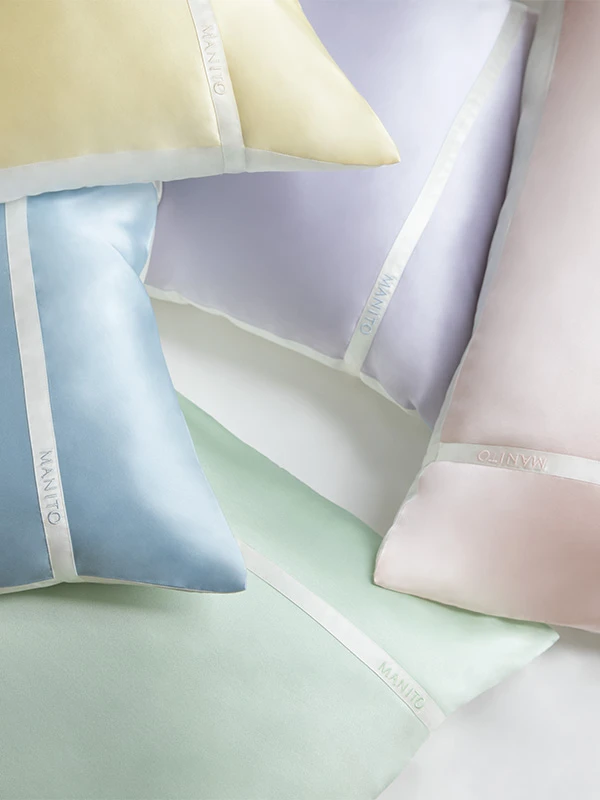
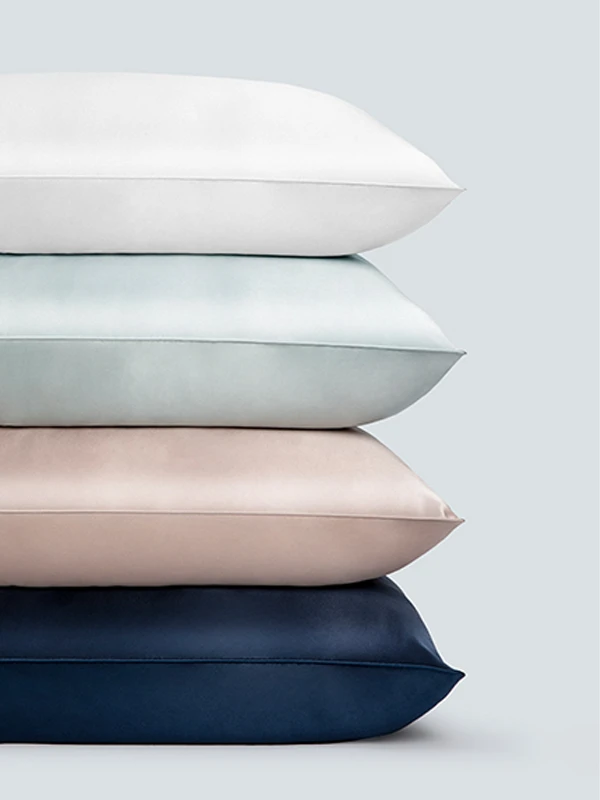
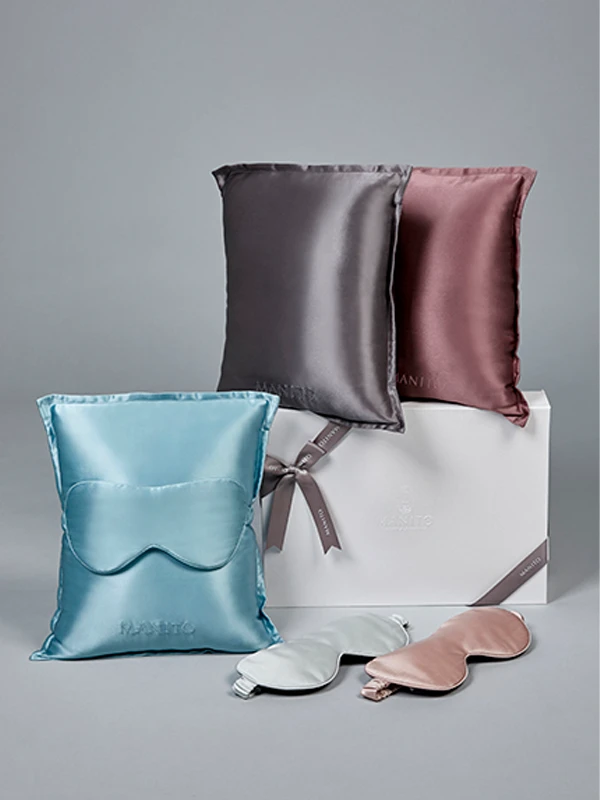
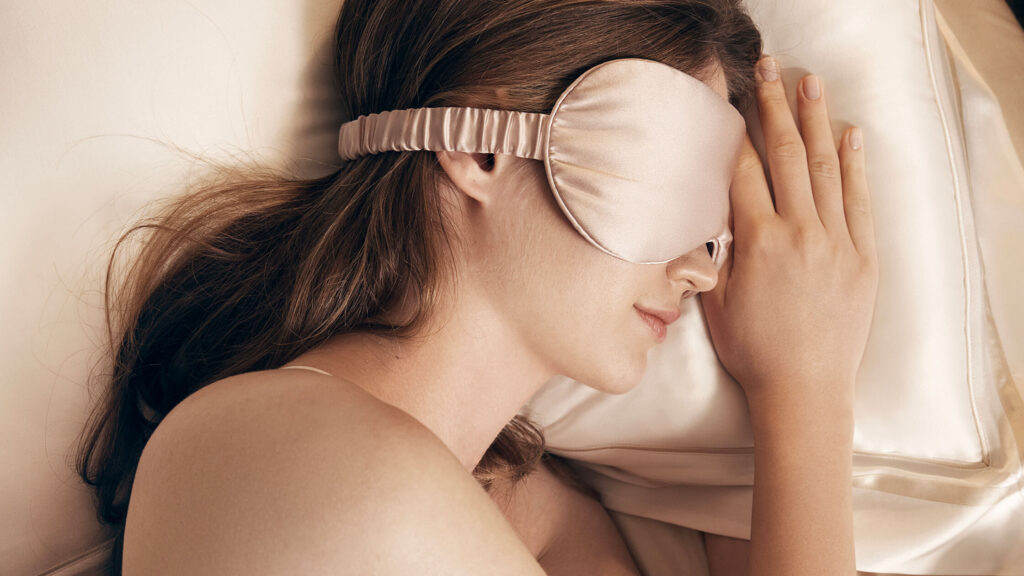
Silk bedding keeps your body cool in warmer temperatures and provides warmth in cooler temperatures. With moisture absorption abilities, silk pillowcases contribute to an undisturbed core sleep experience. Breathability in silk bedding helps to create an optimal sleep environment. Silk bedding minimizes sleep disturbances caused by tossing and turning. Hence, it gives uninterrupted and effective core sleep.
Core Sleep in Modern Society
The pervasive use of electronic devices can disrupt core sleep. Also, the rise of the gig economy and shift work has led to irregular work schedules, thereby impacting core sleep. The challenges of technology and lifestyle in modern society urge for a proactive approach to optimizing core sleep. Future trends show a growing awareness of the importance of sleep.
Additionally, there would be advancements in sleep technology by introducing innovative solutions to promote better sleep. As society becomes more aware of the impact of sleep on overall well-being, there is potential for positive changes that support the prioritization of core sleep.
Conclusion
Core sleep involves having an adequate duration of sleep while maintaining a consistent sleep schedule to optimize essential sleep stages. Core sleep encompasses the deep, restorative stages of both NREM and REM sleep. It is important for physical and cognitive well-being.
At MANITO, we offer solutions designed to help people sleep better at night. We focus primarily on products that enhance your core sleep experience. Whether you’re in the market for silk bedding or silk pillowcases, MANITO has what you need. If well-being is a top priority for you, MANITO has some incredible options available.