


















When shopping for bedding, the terms “duvet” and “comforter” often get used interchangeably. However, these two bedding items have distinct characteristics. Understanding the key differences helps you choose the best option to suit your climate, sleep habits, and style preferences.
A duvet is a lightweight, protective shell filled with insulation materials. A comforter is a stand-alone blanket that provides warmth and comfort. Assessing aspects like climate suitability, ease of cleaning, available styles, and fill types assists with deciding between the two bedding varieties.
What is a Duvet?
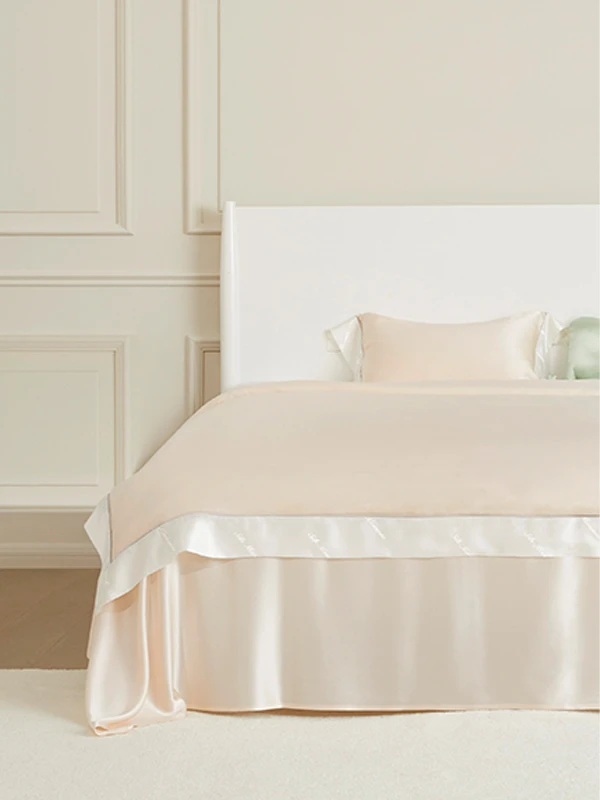
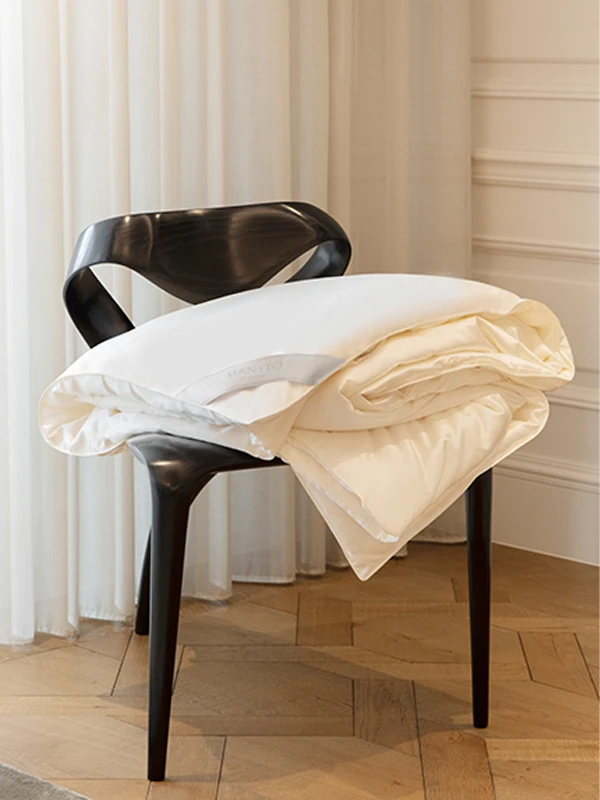
A duvet consists of a removable cover that encases an insert filled with insulation, such as down alternative fiber, wool batting, silk, or other materials. By merely replacing the decorative duvet cover, you can easily modify the bedding theme or refresh worn bed linens while retaining the interior fill insert.
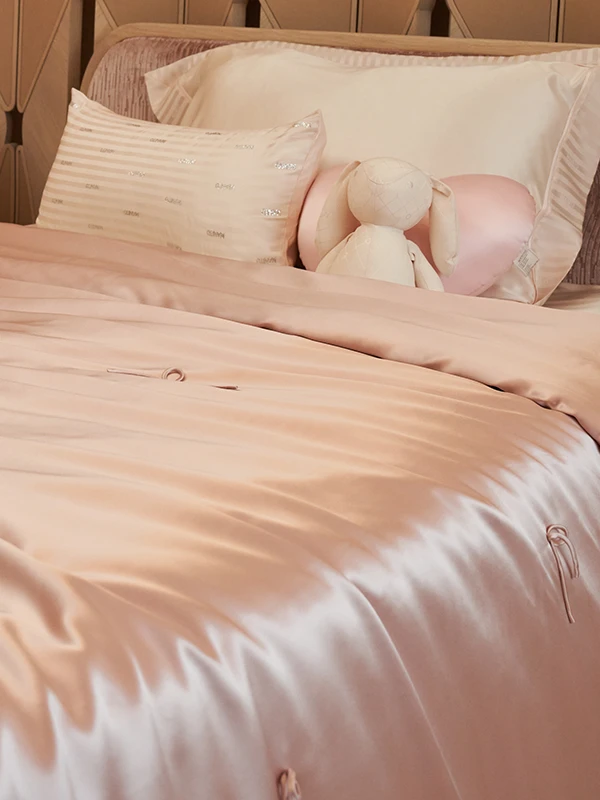
The fill insert included with duvets is secured to the cover with ties, usually at the corners. The duvet insert provides warmth, described using a tog rating indicating its insulation capability. Low-tog inserts work for warm climates or summers, while higher-tog options better suit cold environments. Duvet inserts also come in sizes that match bed dimensions – twin, queen, etc. Some inserts feature baffle box stitching sections to prevent interior fill from shifting unevenly over time.
Thanks to the protective barrier, duvet covers require less frequent cleaning than inserting directly. Many machine wash without fading or shrinking issues prevalent with older bedding materials like cotton when laundered often.
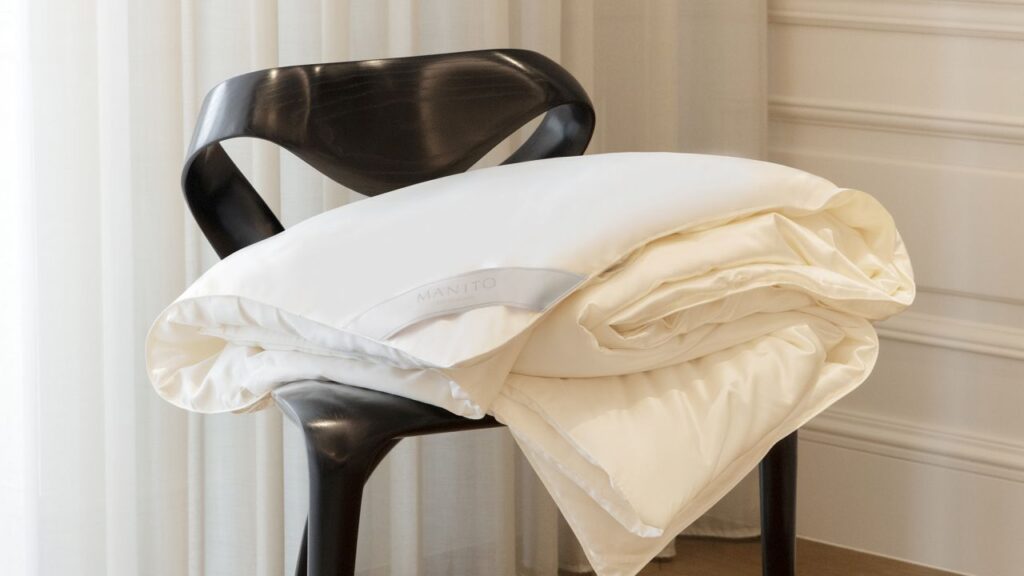
The Charm of Silk-Filled Duvet
Silk duvets offer the luxurious benefits of natural silk fills enclosed within convenient duvet systems that allow customizable and easy decor changeovers. Thanks to its special molecular protein structure, silk harvested exclusively from mulberry silkworm cocoons excels for wellness and beauty sleep. Amazingly, the longest natural fiber on earth proves uniquely hypoallergenic while avoiding chemical flame retardants used on most mass-manufactured bedding. Silk’s innate breathability keeps sleepers warmer in winter yet cooler during hotter months.
What is a Comforter?
As an all-in-one blanket, comforters integrate insulation fills spanning the entire layered piece rather than separating an exterior cover and inner fill like duvets. Without a removable cover, comforters inevitably become irreversibly soiled over time from body oils and dead skin cells shedding against the surface. Comforters require periodic dry cleaning or air purification treatments to restore their freshness.
Fill power designates a comforter’s warmth level. Higher fill power numbers indicate enhanced insulation capabilities, which are important for cold-natured individuals. Premium long-strand mulberry silk makes an unparalleled comforter fill thanks to its lightweight breathability, gentle softness for sensitive skin, and hypoallergenic purity. Properly cared for, silk comforters maintain their lofty thickness for decades rather than compressing flat like lower-grade polyester fills.
Duvet vs. Comforter: Key Differences
Here’s a quick overview comparing duvets and comforters at a glance—covering comfort, cleaning, cost, and more.
Climate Suitability for Duvets and Comforters
Duvets allow easy insert swaps to match needed warmth levels across seasons. Switch to lower tog inserts during hotter months and higher togs for cozy cold weather cocooning. This customization proves more versatile for households experiencing dramatic seasonal weather shifts rather than relying on comforters with fixed insulation levels. When relocating to a new climate, conveniently adjust your preferred duvet warmth.
Cleaning and Maintenance of Duvets vs. Comforters
Only wash duvet covers routinely as needed, while cleaner duvet inserts require less frequent attention, often annually or biannually, unless soiling occurs. Given that comforters lack a protective barrier, their insulation fills lie directly against human skin and endure continuous shedding of hair, skin cells, and perspiration. So comforters inevitably show soiling over shorter time frames before necessitating dry cleaning attention to restore freshness.
Style Variety in Duvets and Comforters
The removable covers of duvet sets allow almost endless home decor and style options. Opt from stunning floral patterns to minimalist solid hues and everything between by merely swapping duvet covers. Refresh bedroom aesthetics anytime slipcovers become worn simply by inserting fresh duvet covers. Unlike duvets, comforters do not offer removable covers to enable easy look updating. Craving style switches requires buying entirely new comforters each time.
Added Convenience of Duvets Compared to Comforters
Duvets neatly secure interior inserts to prevent frustrating shifting while sleeping or making the bed. Comforters lack internal ties, meaning their fills may bunch unevenly inside. Silk duvet inserts also benefit from baffle box construction, preventing the remarkably lightweight mulberry silk fill from clumping to the sides over time. This stability ensures consistent cozy comfort.
How It Feels: Plush vs. Flat
Duvets generally feel more plush and enveloping, creating that ‘snuggly, pillow-like’ sensation many people love. In contrast, comforters lie flatter, making them ideal for those who prefer a sleek, layered bed look or who tend to sleep warm.
Price: Initial Cost vs Long-Term Value
Typically, comforters are more affordable upfront—especially as bedding sets—whereas duvets require buying both an insert and a cover, raising the initial cost. Still, duvets can be more cost-effective long-term, since you only change the cover for design updates.
Which Works for Your Sleep Habit?
If you toss and turn at night, the even coverage of a duvet may offer comfort—but if space is tight or you prefer layered textures, a flat comforter may be more suitable. For hot sleepers or those living in warm climates, the thinner profile of comforters can prevent overheating.
Should You Get a Duvet or a Comforter?
Choosing between a duvet and a comforter depends on your preferences:
- Want flexibility in style and temperature? → Duvet.
- Prefer simplicity and machine washability? → Comforter.
Here’s how they compare across key decision factors:
| Feature/Factor | Duvet | Comforter |
|---|---|---|
| Comfort Feel | Plush, enveloping, adaptable to temperature | Flatter, layered look, ideal for warm sleepers |
| Style Flexibility | Covers interchangeable—easy décor updates | Fixed design—must replace entire piece to refresh look |
| Cleaning & Maintenance | A washable cover makes care easier | Bulky, often requires dry-cleaning or oversized washer |
| Initial Cost | Higher (cover + insert) | More affordable upfront |
| Long-term Value | Cost-efficient—only covers need updating | Might need full replacement if stained or worn |
| Sleeping Habits | Great for toss-and-turn sleepers with even coverage | Ideal for those who sleep hot or prefer sleek bedding |
| Decision Snapshot | Best for flexibility, warmth control & style | Best for simplicity, convenience & lower upfront cost |
Duvet vs. Comforter: Size Guide
When selecting between a duvet and a comforter, it’s important to consider how each fits your bed and complements your desired aesthetic and functionality.
| Mattress Size | Typical Duvet Dimensions | Typical Comforter Dimensions |
|---|---|---|
| Twin / Twin XL | Slightly smaller; fits the mattress snugly | Larger; designed to overhang edges |
| Full / Queen | Flush fit; may appear more compact | More generous drape and edge coverage |
| King / Cal King | Tailored fit; keeps lines clean | Oversized to provide plush drape |
Tips for Choosing the Right Size
- Duvets often run slightly smaller than the mattress itself, offering a tailored, “flush” look.
- Comforters typically extend over the bed’s edges, adding a more relaxed, cozy drape.
- If you prefer more overhang—either for style or warmth—opt for a size up, especially with duvets.
- Measure your mattress first: this ensures you choose a bed topper that matches your setup and avoids unexpected fit issues.
- For deep mattresses, or if you love a fluffy appearance, you may consider intentionally oversizing your duvet or comforter.
Why Choose Mulberry Silk for Bedding?
Mulberry silk bedding delivers resplendent luxury that pampers skin and hair while promoting unparalleled sleep.
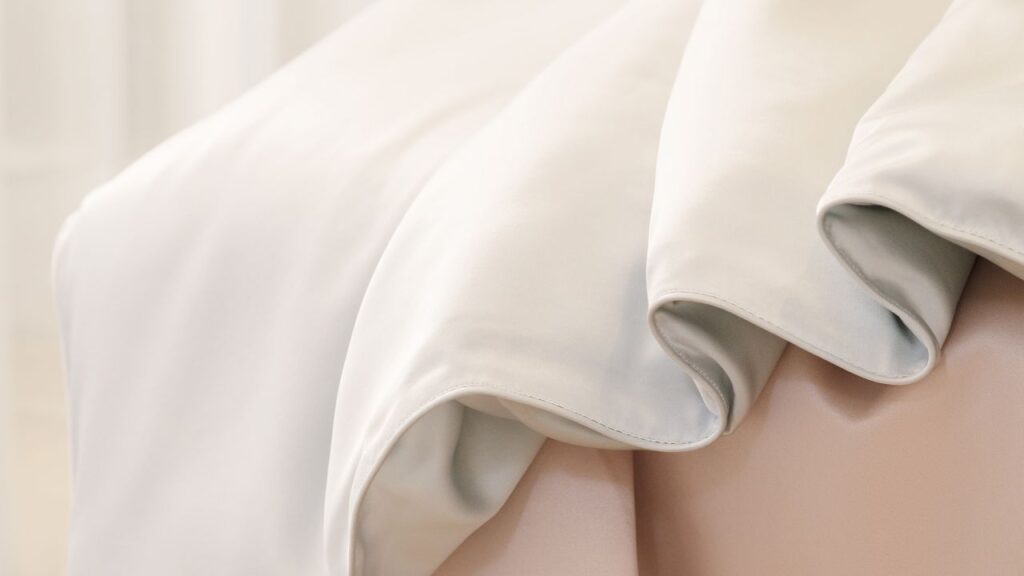
Silk Bedding: Naturally Hypoallergenic Comfort
The incredibly smooth long-strand silk fibers minimize skin irritation risks, making mulberry silk ideal even for sensitive complexions prone to allergies or eczema. Those susceptible to uncomfortable dust mite allergies from traditional bedding can finally enjoy silk’s protective barrier, which keeps sensitivities at bay.
Ultra-Soft Durability: The Resilience of Mulberry Silk
Remarkably durable mulberry silk maintains its indulgent silky-soft suppleness over years rather than becoming scratchy or thin after repeated launderings like cotton fills. This unmatched longevity saves replacement costs in the long run while preserving the delightful sensation against skin.
Experience Better Rest with Mulberry Silk Bedding
Thanks to enhanced breathability, silk bedding creates a blissfully balanced sleeping climate, preventing sticky, sweat-drenched awakenings. Silk’s natural moisture-wicking characteristics also effectively pull perspiration away from skin throughout the night. Recover from daily stresses faster while rebuilding vitality wrapped in refreshing silk.
Unveiling the Supreme Comfort and Style of Bedding Choices
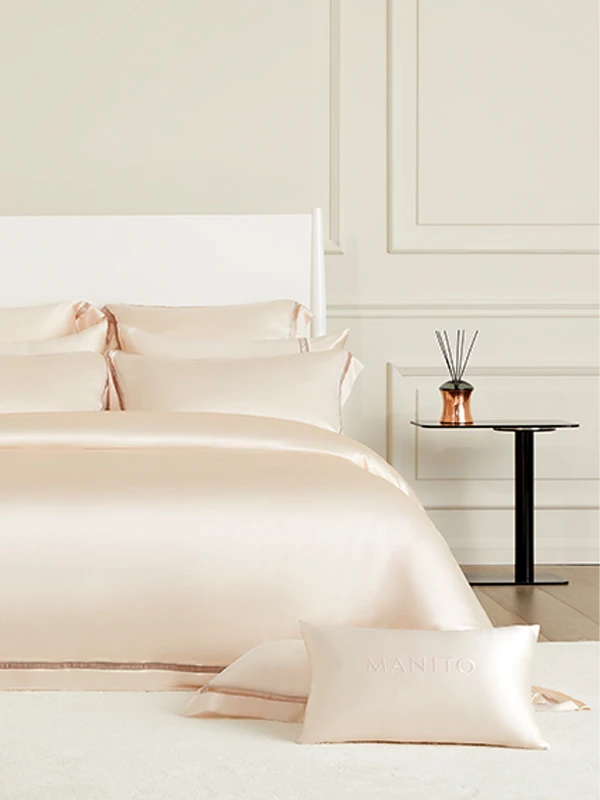
By understanding the distinctions between duvets and comforters, including optimal usage environments, care, and style possibilities, you can determine the best solutions matching your household priorities. For those seeking the pinnacle of lavish comfort, nothing competes with the pampering embrace of meticulously crafted 100% mulberry silk bed collections from respected artisans like MANITO. Rejuvenate your senses and complexion while drifting into the height of luxury each evening. Manifest the bedding of sublime dreams through the marvel of silk.