









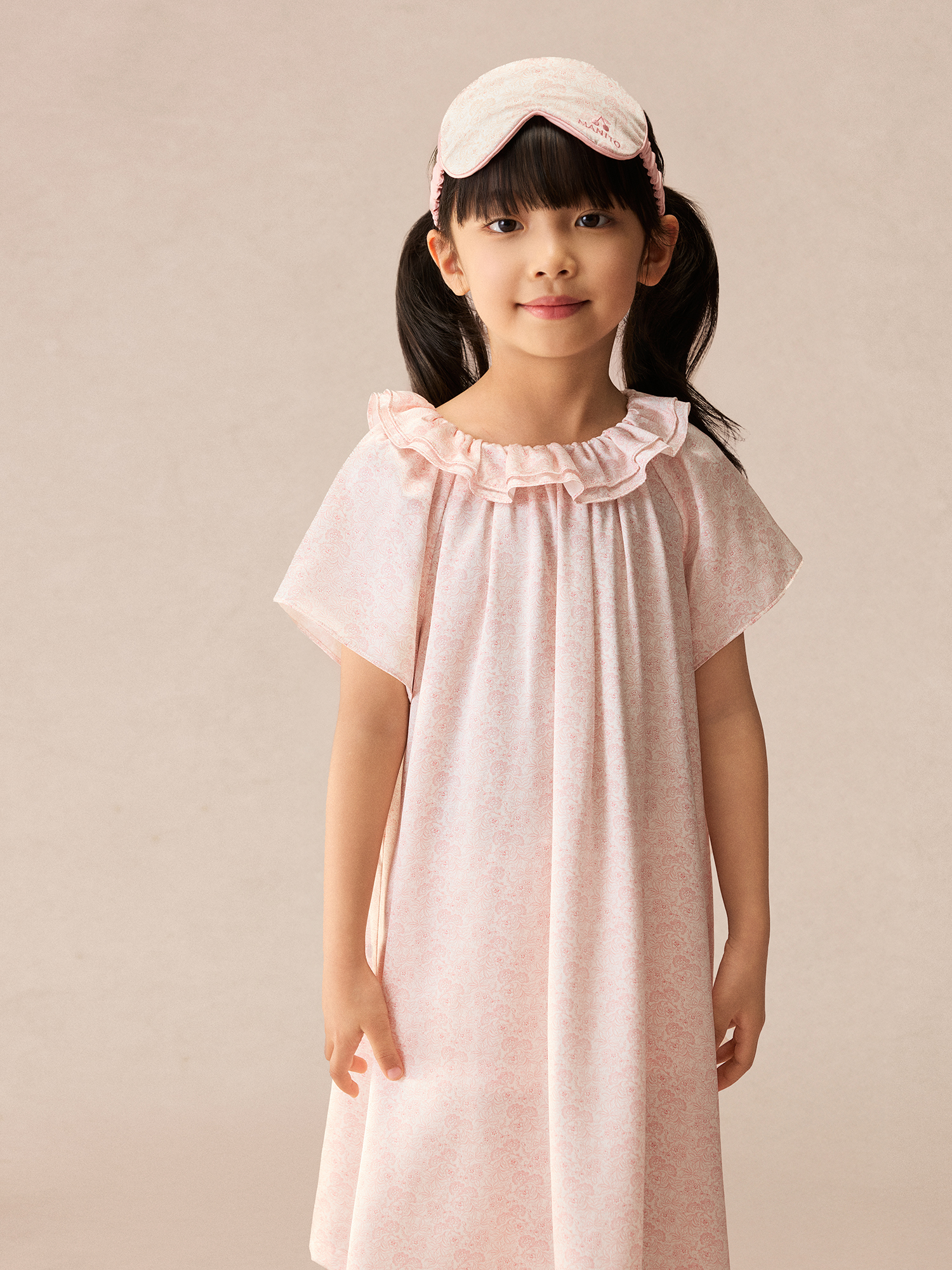


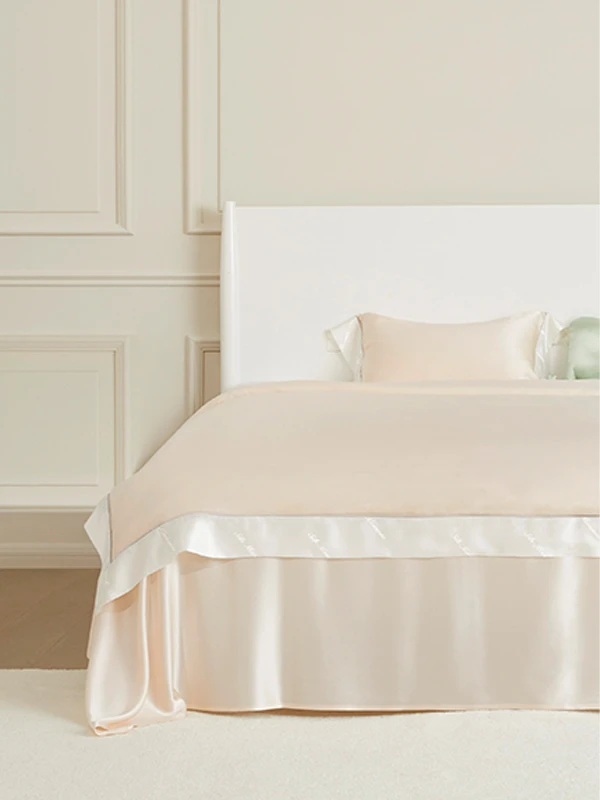
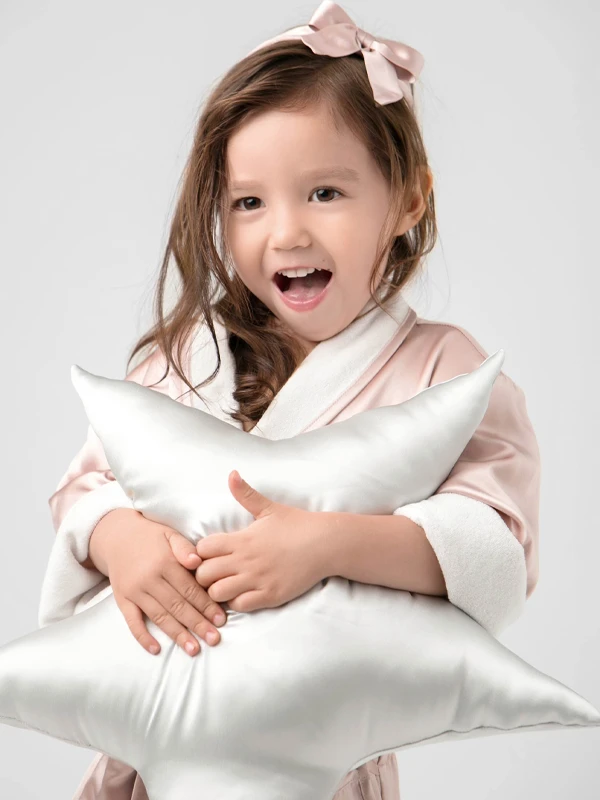
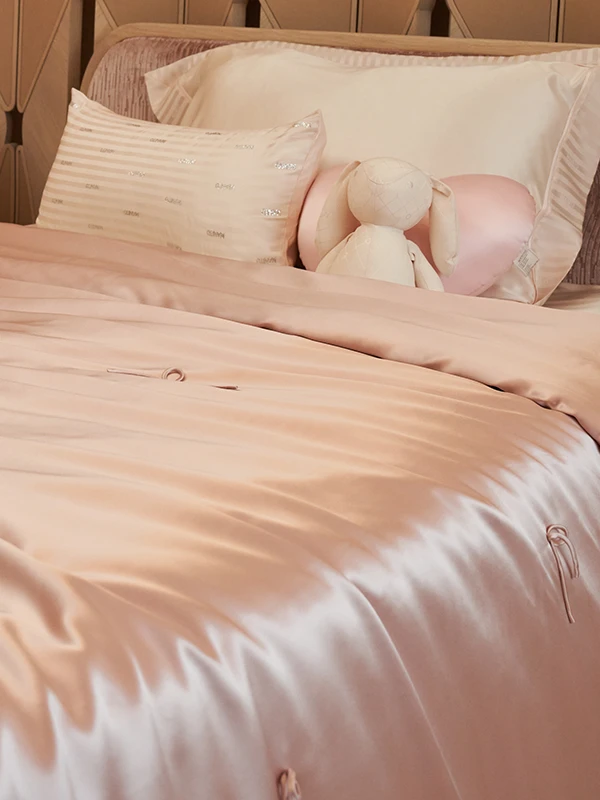
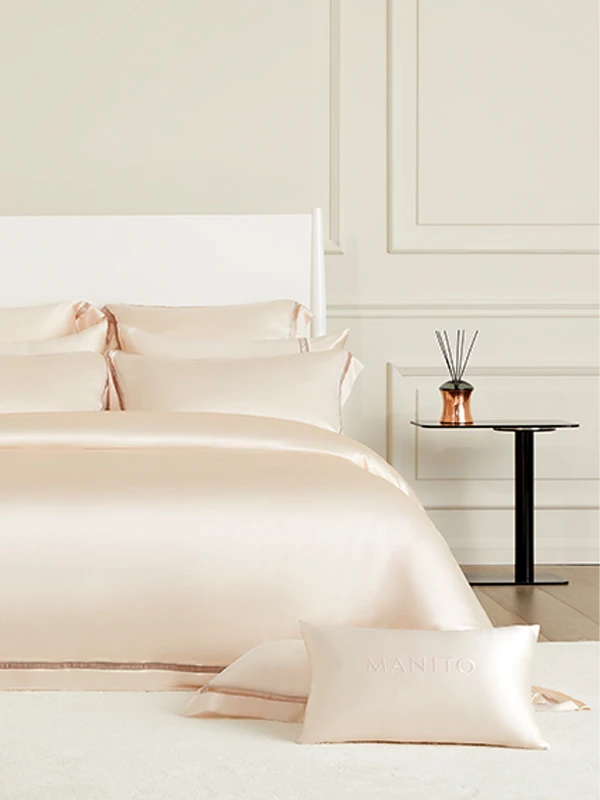
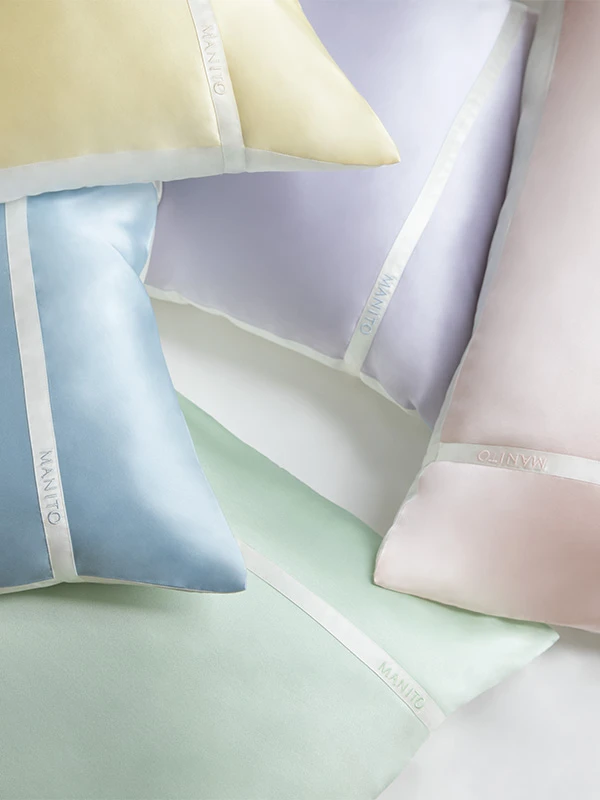
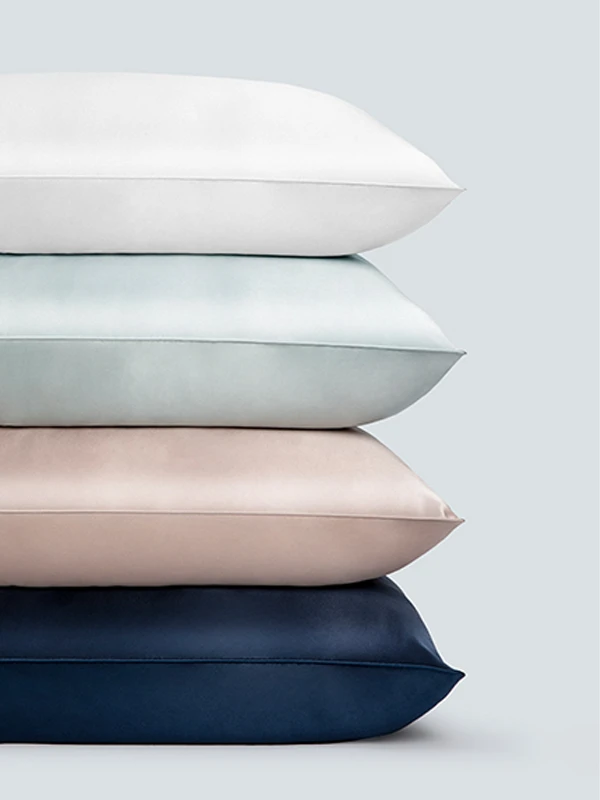
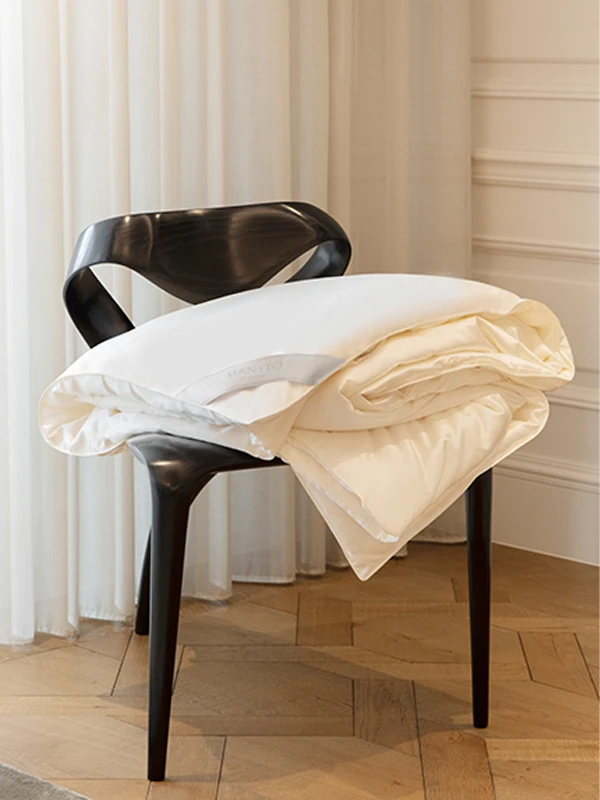
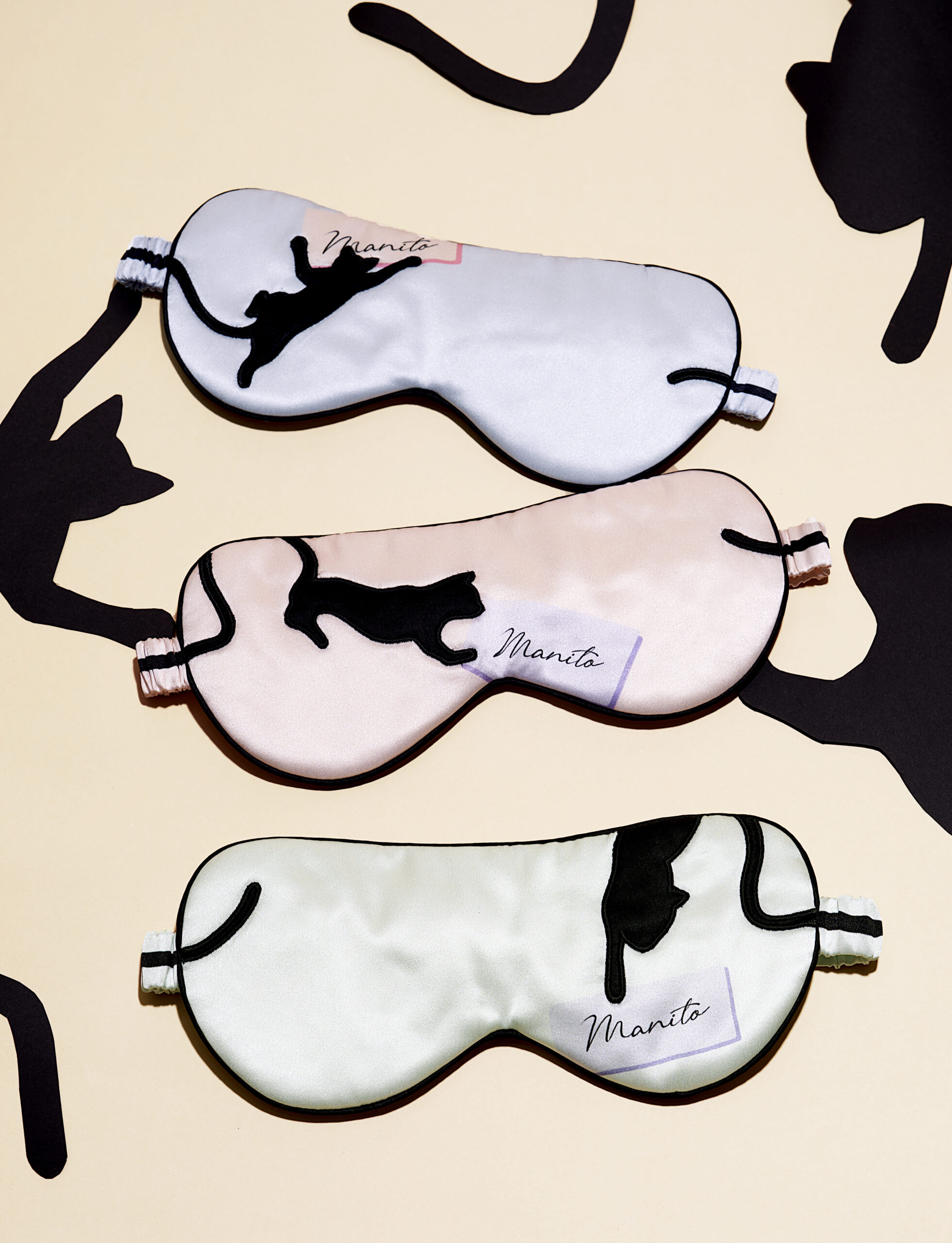

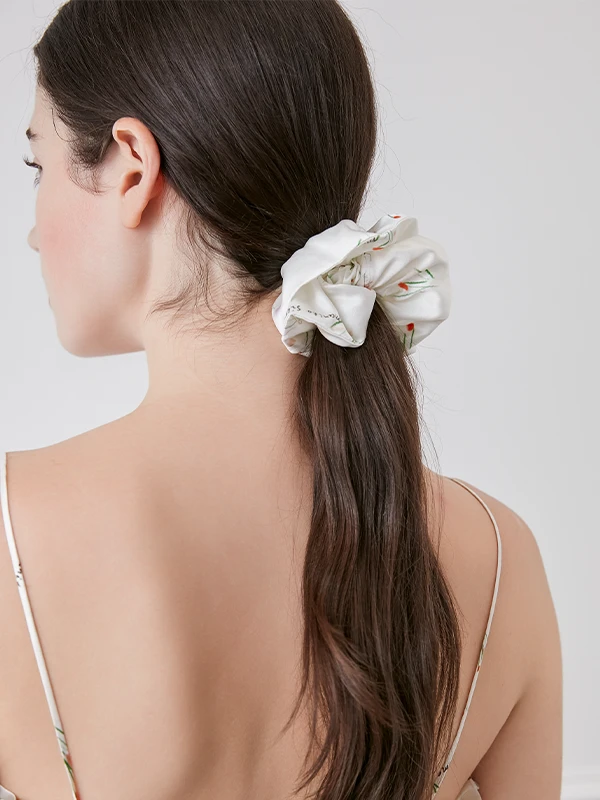
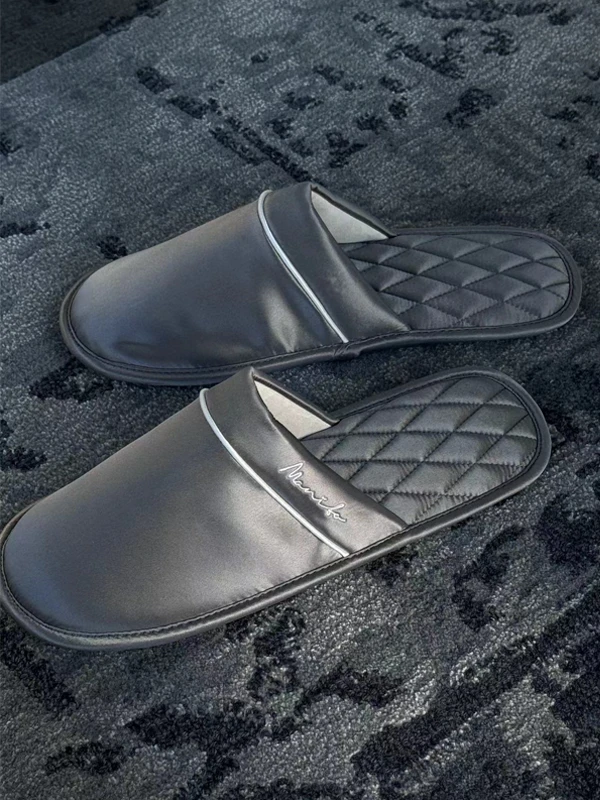
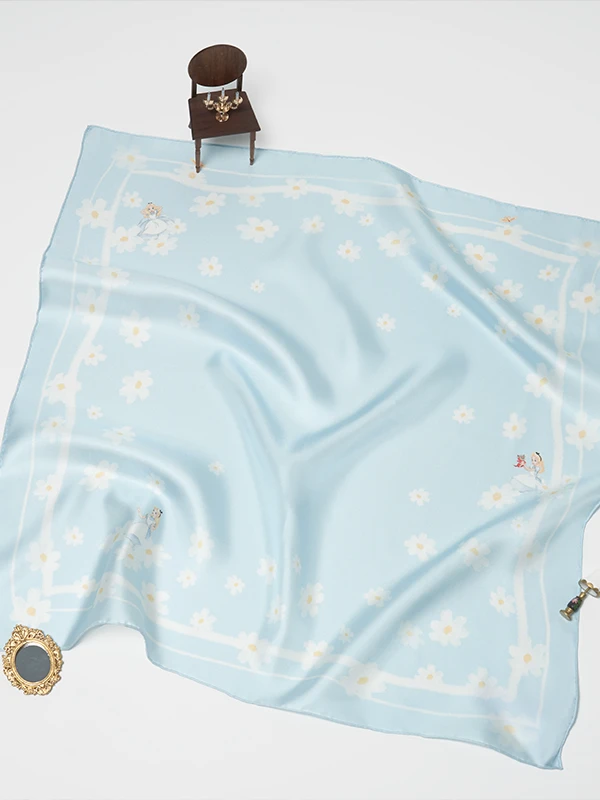
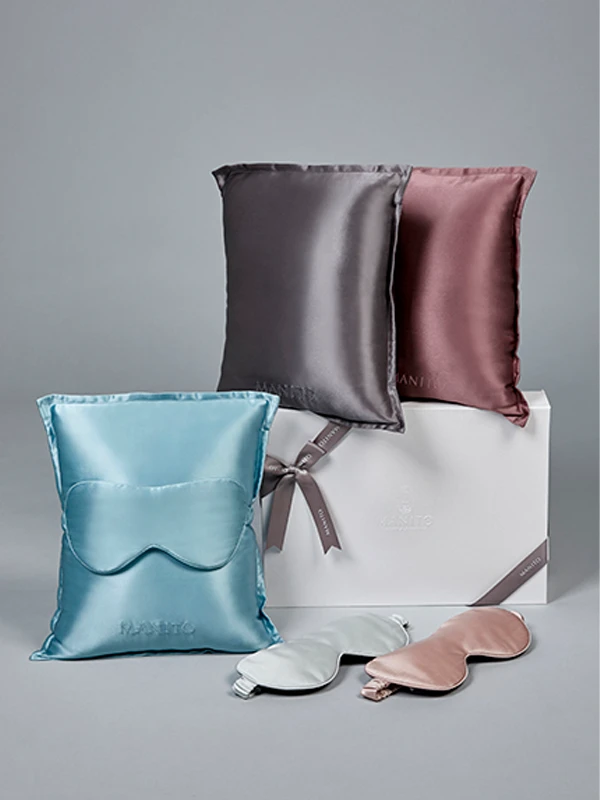












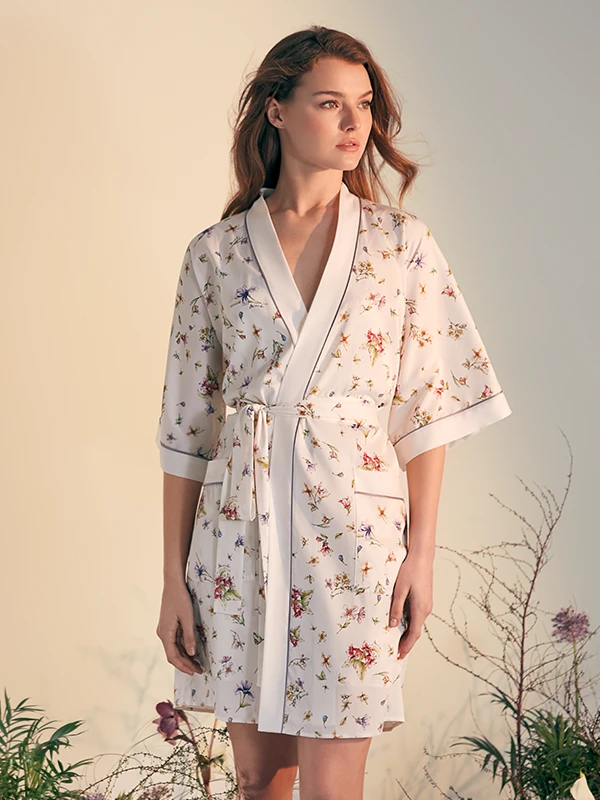

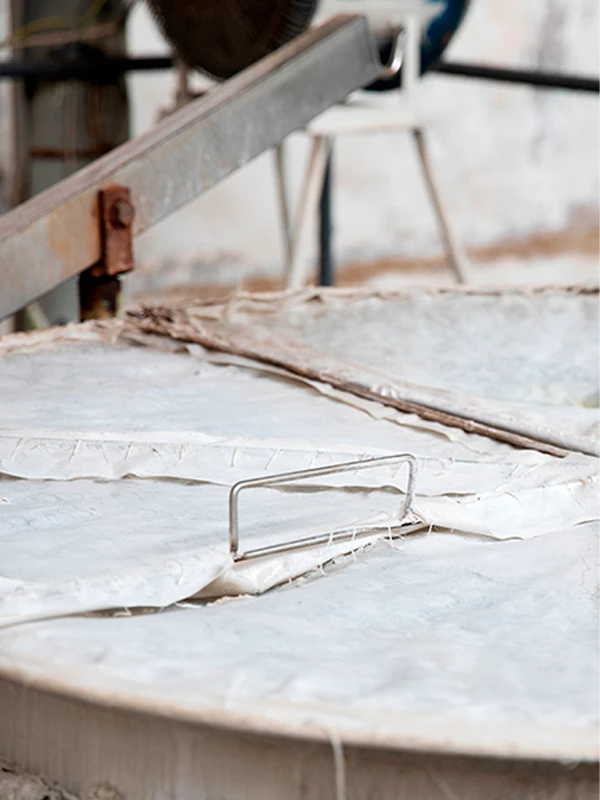





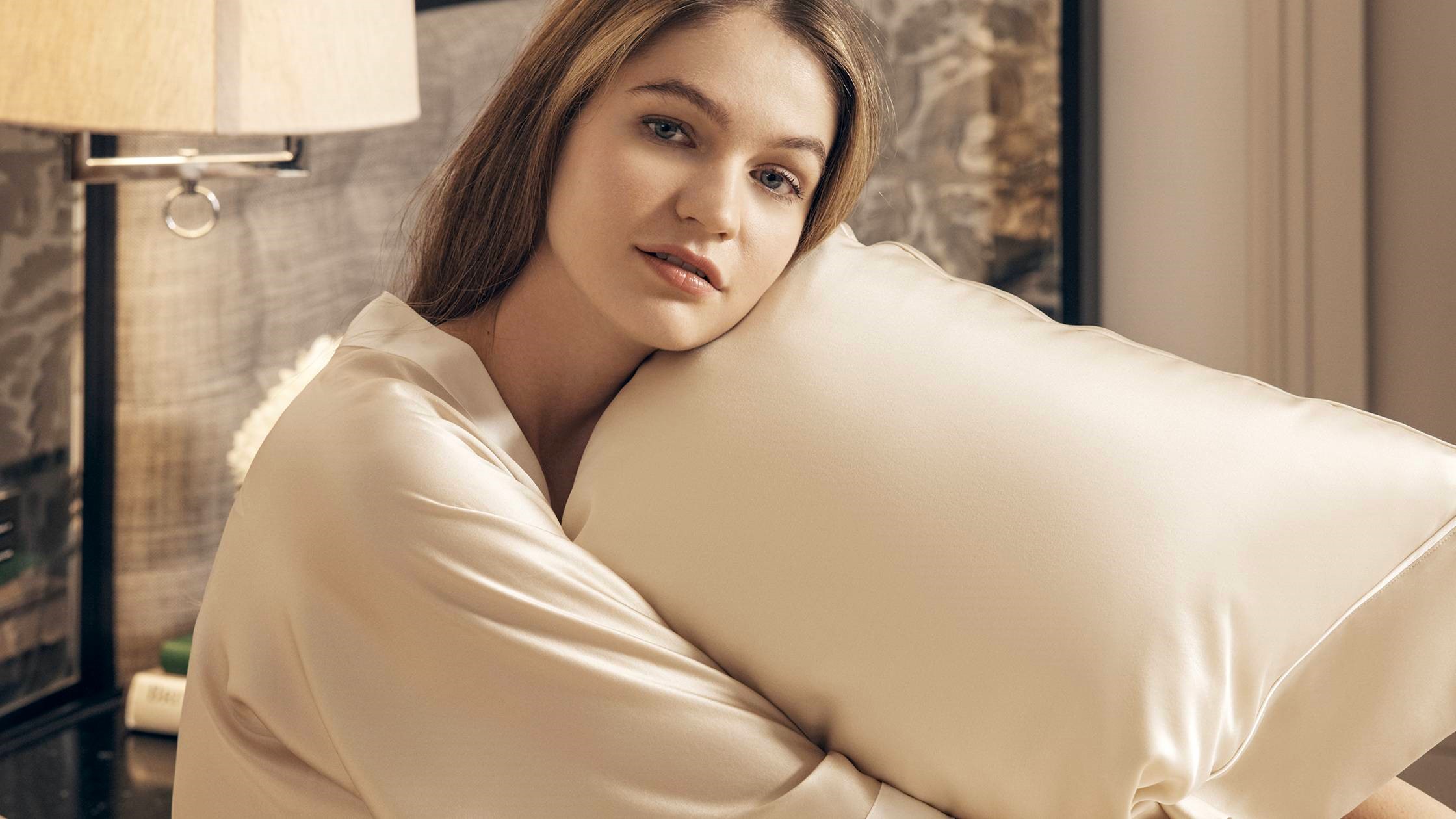
Silk bedding is often associated with elegance and luxury. However, beyond its smooth feel and lustrous appearance, silk offers significant health advantages—particularly for allergy-prone individuals. As a naturally hypoallergenic fabric, silk resists dust mites, mold, and other irritants that commonly trigger allergies. This introduction will explore why hypoallergenic silk bedding is not only indulgent but also a practical choice for creating a healthier sleep environment.
Table of Contents
- Why Silk Bedding is Hypoallergenic for Allergy-Prone Sleepers
- Scientific Basis of Silk’s Hypoallergenic Properties
- Comparison with Other Materials
- Health Benefits of Silk Bedding for Allergy-Prone Individuals
- Maintenance and Care for Silk Bedding
- Conclusion
Why Silk Bedding is Hypoallergenic for Allergy-Prone Sleepers
Silk bedding—especially made from high-quality mulberry silk—features tightly woven, smooth fibers that naturally resist dust mites and bedbugs. Unlike cotton or wool, silk does not trap moisture, reducing the likelihood of mold or fungus growth. In addition, its natural thermoregulation keeps the sleeping surface dry and comfortable. Most importantly, silk is gentle on sensitive skin, making it a preferred choice for individuals suffering from eczema, asthma, or seasonal allergies. These combined properties explain why silk is widely recognized as a hypoallergenic bedding material.

Scientific Basis of Silk’s Hypoallergenic Properties
Silk has long been celebrated as the “Queen of Fibers,” and its remarkable hypoallergenic qualities are far from accidental. These benefits are deeply rooted in its unique natural composition and physical properties. From the biological structure of silk proteins to its inherent ability to resist common allergens, the following sections will explore in detail why silk is considered an ideal bedding material for individuals prone to allergies.
Silk as a Natural, Protective Fiber
Mulberry silk is harvested from the cocoon of the Bombyx mori silkworm and contains no synthetic additives. This natural origin ensures that silk fibers remain free from harsh chemicals or artificial treatments, making them safer for people with allergies or chemical sensitivities.
Silk is Mostly Protein: Fibroin and Amino Acids
The core component of silk is fibroin, a protein composed of long chains of amino acids. These amino acids give silk its strength, sheen, and hypoallergenic qualities. The smooth protein structure naturally repels bacteria and prevents buildup of common irritants, offering a cleaner, healthier sleeping surface.
Natural Resistance to Dust Mites
Dust mites are one of the most common indoor allergens and thrive in fabrics like cotton that retain moisture. In contrast, the tightly woven, smooth surface of silk makes it difficult for dust mites to burrow or survive. By limiting dust mite exposure, silk significantly reduces allergy symptoms such as congestion, sneezing, and itchy eyes.
Mold and Mildew Repellent
Mold and mildew thrive in damp, warm environments. However, silk’s ability to wick away moisture and regulate temperature creates an inhospitable setting for these allergens. By reducing humidity around the skin, silk bedding helps prevent mold growth and minimizes exposure to harmful spores that could worsen allergy symptoms.
Non-Irritating to Sensitive Skin
Silk’s smooth surface and amino acid composition make it exceptionally gentle on sensitive or inflamed skin. Dermatologists often recommend silk pillowcases and sheets for individuals with eczema, psoriasis, or acne because silk reduces friction, retains natural skin moisture, and helps soothe irritation. This makes silk bedding a valuable addition to any skincare-conscious lifestyle.
Breathable and Temperature Regulating
Unlike synthetic fabrics, silk is naturally breathable and adjusts to body temperature throughout the night. This thermoregulation prevents excessive sweating and keeps the sleeper cool in summer and warm in winter. By reducing moisture accumulation, silk further minimizes the growth of allergens and ensures uninterrupted, comfortable rest.
Safety Certifications for Silk Bedding
High-quality silk bedding, such as mulberry silk charmeuse, is often certified under independent standards like OEKO-TEX® Standard 100. This certification confirms that the fabric is free from more than 400 harmful substances, providing assurance that silk bedding is safe, non-toxic, and suitable for individuals with chemical sensitivities or allergies. Including such certifications highlights the credibility and reliability of silk as a hypoallergenic choice.
Silk Bedding Comparison with Other Materials
When compared with common alternatives, silk’s hypoallergenic advantage becomes clear:
- Cotton Bedding vs. Silk: While cotton is a commonly used bedding material, it does not match the hypoallergenic properties of silk. Cotton tends to absorb moisture, which can encourage dust mites and mold.
- Linen and Wool: Like cotton, linen and wool also fall short in providing the allergy-resistant benefits that silk offers. Both materials can absorb moisture and are not as effective in repelling dust mites and other allergens.
- Synthetic Materials: Synthetic fabrics, such as polyester and nylon, are less suitable for allergy sufferers compared to silk. These materials can irritate the skin and are not as resistant to allergens.
Silk stands apart as the only natural fabric that combines luxury, breathability, and hypoallergenic performance, making it the superior option for allergy-prone sleepers.
Health Benefits of Silk Bedding for Allergy-Prone Individuals
Beyond allergen protection, silk bedding delivers important health benefits:
- Respiratory Relief: By limiting exposure to dust mites, mold, and bacteria, silk helps reduce asthma flare-ups and other respiratory allergy symptoms.
- Dermatological Support: Silk’s smooth texture prevents friction, reduces skin irritation, and helps skin maintain natural hydration—ideal for those with eczema or acne.
- Immune System Protection: With antibacterial and antiviral properties, silk minimizes nighttime exposure to pathogens that may weaken the immune system.
Together, these benefits create a holistic sleep environment that supports both physical comfort and long-term wellness.
Maintenance and Care for Silk Bedding
To ensure the longevity and hypoallergenic properties of silk bedding, proper care is essential. Here are some tips:
- Washing: Hand wash with cold water and mild detergent. Avoid bleach and fabric softeners.
- Drying: Air dry naturally, away from direct sunlight. Never use a tumble dryer.
- Ironing: Use a low heat setting or steam to remove wrinkles.
- Storage: Store in a breathable cotton bag in a cool, dry place—never in plastic, which can trap moisture.
By following these care steps, you can extend the life of your silk bedding while maintaining its allergy-reducing properties.
Conclusion: Why Hypoallergenic Silk Bedding is the Best Choice
In conclusion, silk bedding combines luxury, comfort, and proven hypoallergenic benefits. Its natural properties—including resistance to dust mites, mold, and mildew—make it the top bedding choice for individuals with allergies or sensitive skin. Dermatologists and scientific studies support the use of silk for improved respiratory health and skin wellness.
While rare cases of silk sensitivity exist, the overwhelming evidence confirms that hypoallergenic silk bedding offers a healthier, safer, and more restful sleep environment. For allergy-prone individuals seeking both comfort and protection, silk bedding is undoubtedly the ultimate solution.
Explore MANITO for more expert insights on silk and discover our exclusive range of luxurious silk bedding and lifestyle products.