

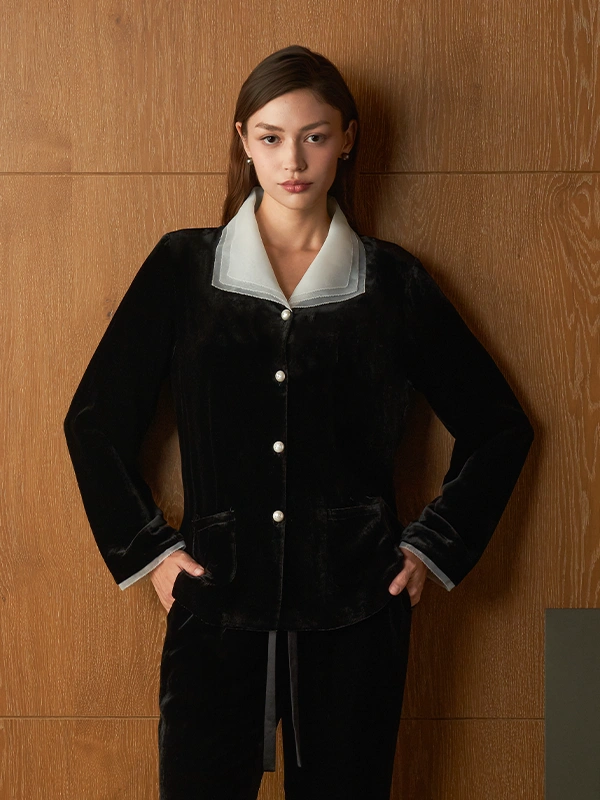










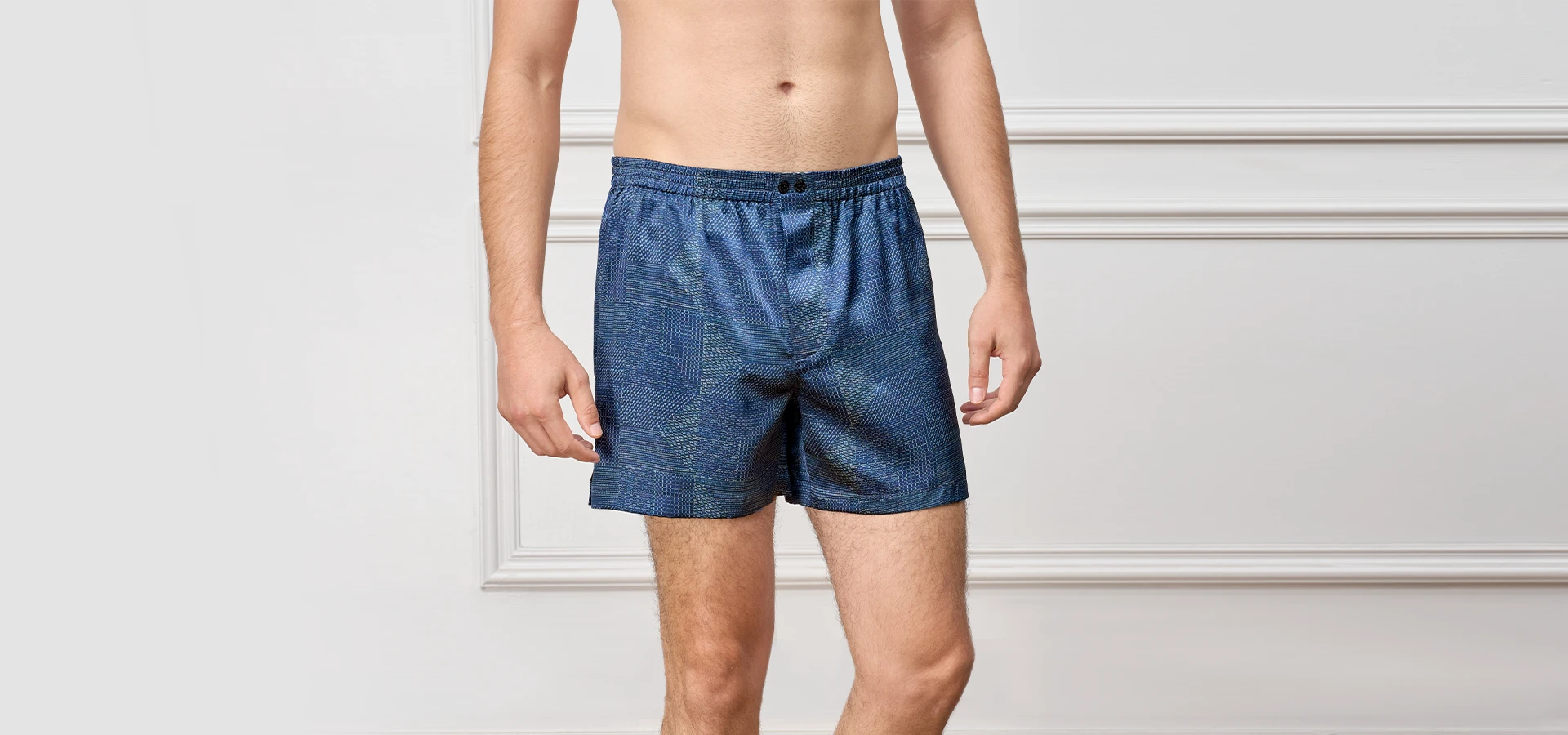

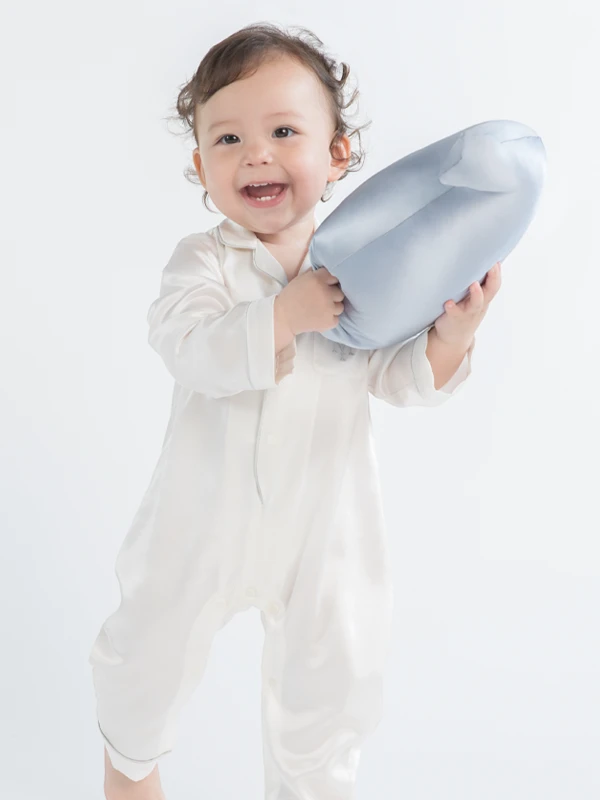

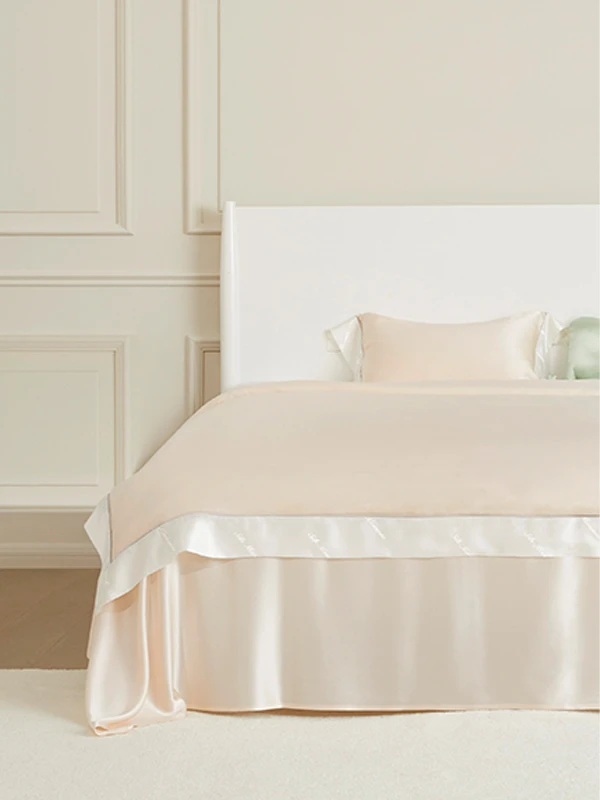


























Silk is prized for its luxurious properties. Underneath the lustrous appearance, the delicate fabric requires careful handling and cleaning. However, this material tends to shrink in the wash, but can you steam silk? In short, the answer is YES, steaming is a safe and effective way to remove wrinkles from silk, as long as you follow the right steps. In this guide, we’ll walk you through how to steam silk safely, share expert tips to protect your garments, and reveal common mistakes to avoid for flawless results.
Can You Steam Silk?
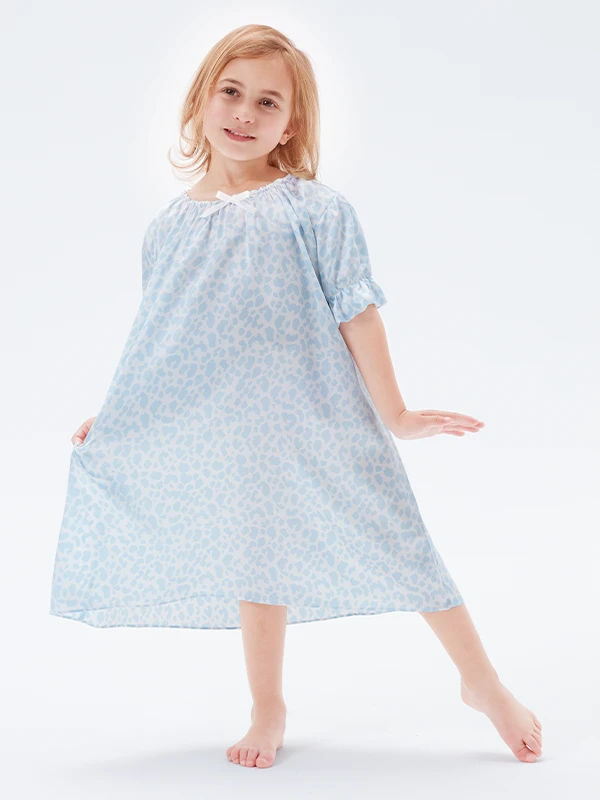
Of course, you can steam silk safely, making it one of the best ways to remove wrinkles from this delicate fabric. Steaming uses gentle heat and moisture to smooth out creases without the risk of burning or flattening silk’s luxurious texture, unlike ironing. Whether it’s a flowing silk dress, a delicate blouse, or a cherished scarf, steaming can keep your garments looking pristine when done correctly.
Most types of silk, like mulberry or charmeuse, respond well to steaming, but it’s crucial to check the care label first. Some silk items with heavy dyes or intricate designs may require professional cleaning to avoid damage. To be safe, always test steaming on a small, hidden area of the garment. Ready to learn how to do it right? Our step-by-step guide below will show you how to steam silk like a pro while avoiding common pitfalls.
Properties of Silk
The smooth texture of silk makes it a highly sought-after natural fiber in the textile industry. Unlike other fabrics, it’s a renewable resource that leaves less impact on the environment. Here are some properties that make silk the ‘queen of textiles.’

- Breathable and soft: Silk is a great fabric to wear during those sweltering summer days. The breathable fibers allow air to circulate. The soft attributes make it a favorite material for layering dresses, scarves, and sleepwear.
- Moisture wicking: The natural fibers of silk keep moisture on the surface. On a hot day, your garment will keep your skin cool and dry.
- Luster: The natural sheen of silk makes the fabric shinier to the eye.
- Hypoallergenic: Silk is non-irritating and naturally hypoallergenic. It won’t cause an allergic reaction if you have sensitive skin.
- Easy to care for: You can wash your silk garment using a gentle detergent by hand or a washing machine.
How to Steam Your Silk Garment: Step-By-Step Guide
Just like irons, you should use garment steamers with caution. Ensure that the temperature of the steam does not exceed 120°C to protect the delicate nature of the silk. It’s an easy way to remove wrinkles from your silk sleepwear in no time. Make sure your hands are far from the steamer head to avoid burns. Here are the steps to follow:
Step 1. Prepare the steamer
Pour cold water into the tank and secure the steamer. If necessary, use the brush accessory on non-sensitive surfaces.
Step 2. Plug in the steamer
Heat the steamer for 2-3 minutes. When ready, you’ll see a green light. Next, press the button to ensure it steams up nicely.
Step 3. Hang your garment
Suspend your garment on a hanger—you’ll need both hands to steam. The hook on your bedroom door or a bathroom doorframe will do the trick.
Step 4. Steam using downward strokes
Steam your garment from top to bottom. Pay special attention to creased areas for a uniform texture. Keep stretching the fabric until all wrinkles disappear. As you apply the heat, use one hand to tag the bottom of the fabric (always keep a light grip).
Can You Steam Silk at Home? Common Mistakes to Avoid
Steaming a silk fabric requires proper care. A material like Mulberry silk (the highest quality available) can be too delicate, so you should be cautious. Here are the common mistakes to avoid:
- Using tap water—most silk manufacturers recommend distilled water for steaming. Tap water can have minerals that result in mineral buildup in your steamer.
- Over steaming—too much heat can ruin your precious garment. Never oversteam a silk garment.
- Skipping the test patch—remember the pro tip? Always check the label on your new garment. If the label doesn’t warn you, do a patch test.
- Not pulling the fabric taut—steaming can create folds on your silk garment. Therefore, you should pull the fabric taut on the area you work on.
- Using the steamer before it’s ready—steaming is not a marathon. If you start too early, the steamer may spit water.

Additional Tips on How to Steam Silk
Other tips to preserve the beauty of your silk garment include
- Use a gentle detergent to remove any stains—avoid excessive scrubbing, as this may weaken the fabric.
- Never wash your garment with chlorine bleach
- Check the fabric for colorfastness
- Never dry silk in direct sunlight
- Be careful not to wring the material—it can cause damage
And do not forget, as a general rule of thumb, always steam silk fabric from top to bottom for the best results.
Conclusion
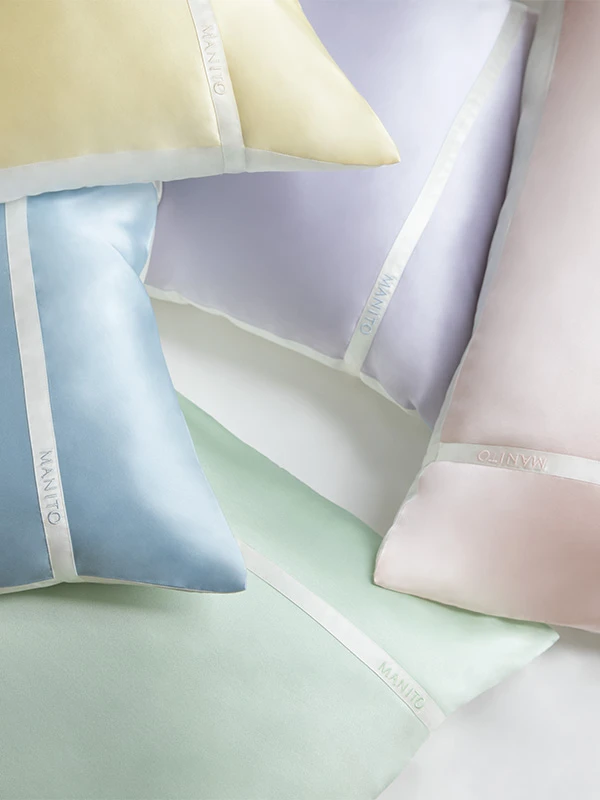
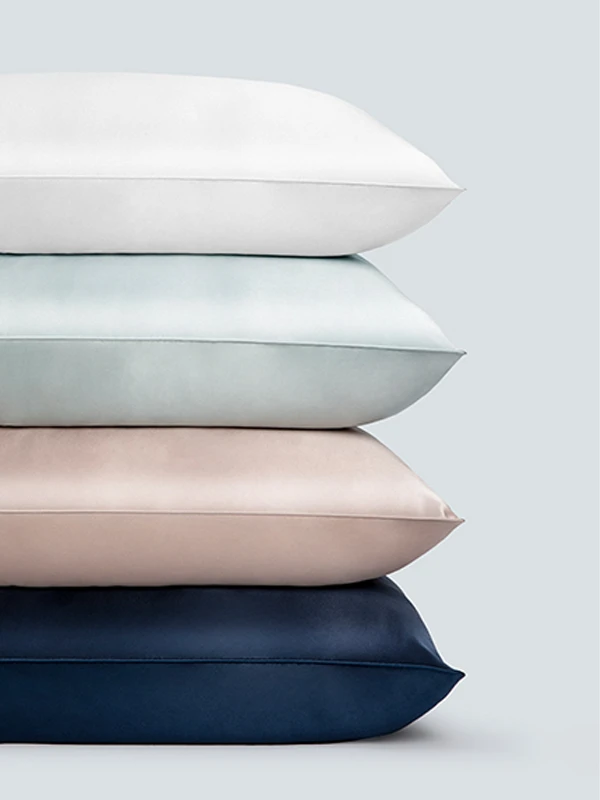
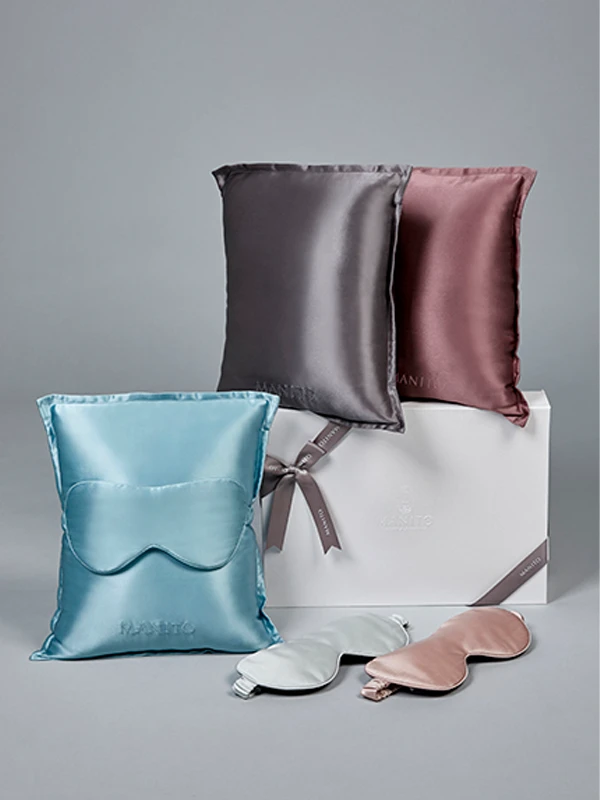
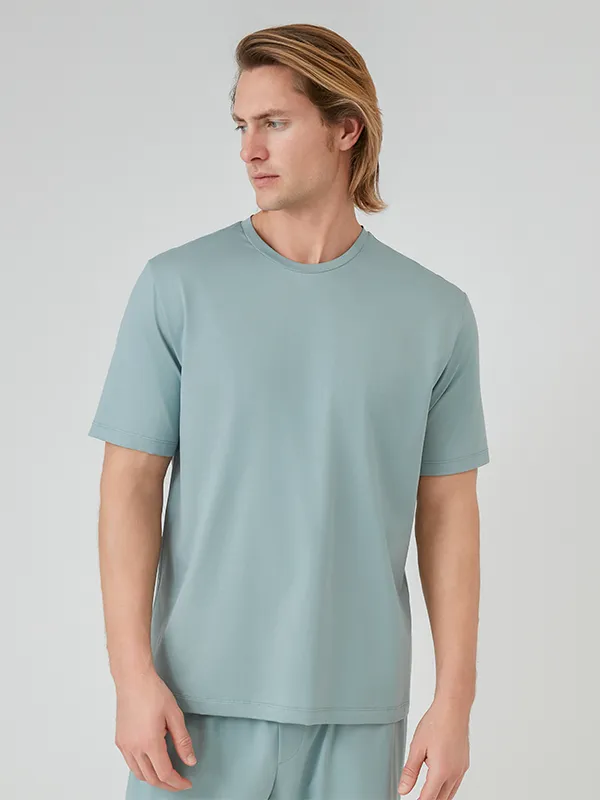
While silk is known for its luxurious feel, it’s delicate. To maintain the beauty and longevity of the fabric, proper care is required. This material tends to shrink in the wash, so you should steam it with caution. It’s a surefire way of removing wrinkles without compromising the quality of the fabric. Whether you want smooth sleepwear or bedding, MANITO collections will ensure you indulge in comfort. If you want to unlock the joy of festivities this year, the Mulberry Silk pillowcases guarantee a luxurious sleep.
Frequently Asked Questions About Steaming Silk
Q: Can you steam silk safely at home?
A: Yes, with a garment steamer at ≤120°C and distilled water, steaming is safe and effective.
Q: Can you steam mulberry silk?
A: Yes, mulberry silk responds well to gentle steaming, but always test a small patch first.
Q: What happens if my steamer damages silk?
A: Stop immediately, air-dry the garment, and consult a professional cleaner. Use lower heat next time.
Q: How often should I steam silk pajamas?
A: Steam as needed for wrinkles, typically every 1-3 wears, to maintain hygiene and smoothness.