


















The Origins of Silk: Understanding How Silk is Made
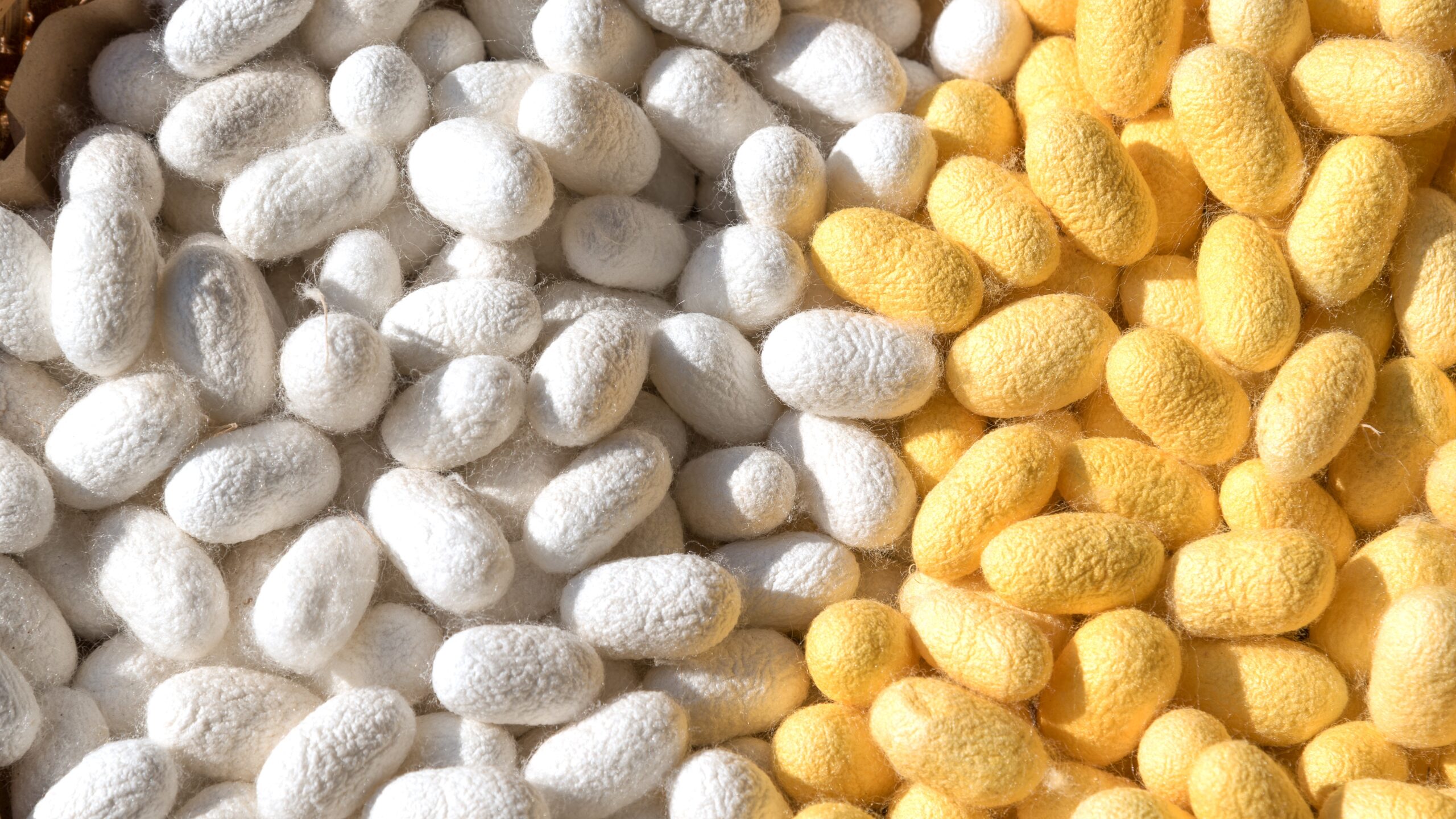
Silk is a naturally produced protein fiber made by the larvae of Bombyx mori during sericulture (silk farming). The larva spins a cocoon from continuous fibroin filaments bound by sericin, which are later removed in processing. Humans have harvested and worked with mulberry silk for millennia, with the practice widely traced to ancient China before spreading globally. Silk has played a significant role in trade, culture, and fashion throughout history, making it a fabric with a rich past.
How Is Silk Made: A Step-by-Step Process
The unique texture and luster of silk stem from its complex and meticulous production process. This entire process is a labor-intensive and time-consuming endeavor, reflecting the costly and luxurious nature of silk. Below, we’ll delve deeper into silk’s journey from natural cocoon to finished fabric.
Step 1. Sericulture (silkworm rearing & moriculture)
Sericulture includes moriculture (cultivating mulberry leaves), egg incubation, larval feeding in controlled conditions, and cocooning after ~4 molts. Female moths lay hundreds of eggs; larvae feed intensively on mulberry, then spin cohesive cocoons using sericin as a binding gum. These foundations determine the uniformity and strength of the final filament.
Step 2. Cocoon Harvesting & Reeling (thread extraction)
Selected cocoons (typically 7–8 days after spinning) are sorted by quality, then immersed in hot water to soften/dissolve sericin. Operators then reel continuous filaments and wind them onto reels, preserving thread continuity—a critical quality step often called thread extraction or reeling.
Step 3. Degumming & Dyeing
To extract the silk filaments, the cocoons are placed in boiling water to soften and dissolve the gum that holds the fibers together. This crucial step ensures that the continuity of each silk thread is preserved. Once the silk threads are extracted, they’re twisted to form the silk thread, dyed, and prepared for weaving. Dyeing can use acid or reactive dyes in controlled baths; modern mills often prefer piece-dyeing to reduce waste and maintain stock flexibility. Traditional natural dyes exist but are less common in commercial production.
Step 4. Spinning & Weaving
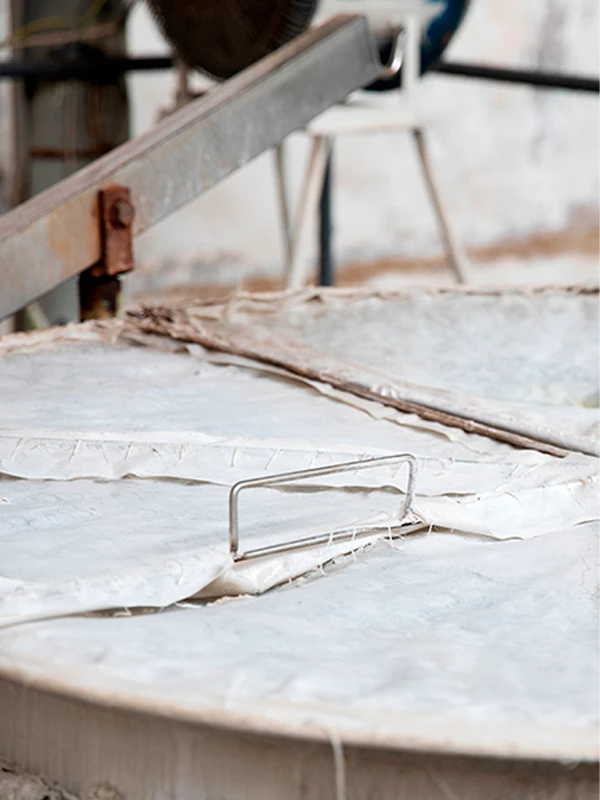
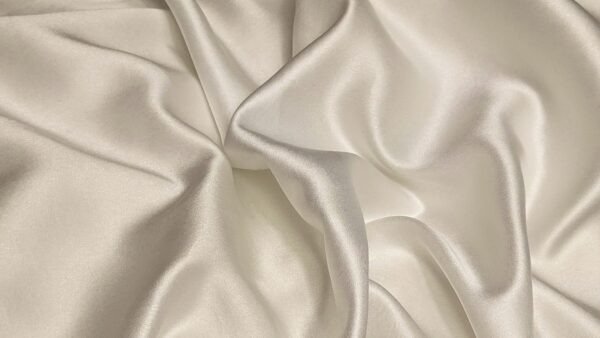
Spinning aligns and twists filaments into yarn on bobbins, preparing them for consistent weaving performance; industrial spinning mimics the principles of the traditional wheel with greater throughput. Weaving interlaces warp and weft at right angles. Common constructions include satin, plain, and open weaves—each imparting distinct handfeel, drape, and shine that consumers associate with silk.
Step 5. Printing and Finishing
For patterned goods, printing follows pre-treatment via digital printing or screen printing, depending on design complexity and desired ink lay-down. Finishing enhances handfeel and performance—e.g., luster development, crease resistance, or specialty properties—through mechanical and/or chemical treatments that ready the fabric for end use.
Ethical and Environmental Considerations in Silk Production
Silk production raises ethical and environmental considerations. While silk is a natural, biodegradable, and durable material, conventional silk production has been associated with ethical concerns such as the boiling of live silkworms and the use of child labor. Furthermore, sericulture is known to be energy- and water-intensive, with the addition of chemicals in the production process.
However, silk is considered a renewable resource with low environmental impact compared to other fibers, as silkworms feed on mulberry leaves, which require minimal resources for cultivation. The sustainability of silk can vary based on how it is processed and the practices of sericulture facilities. Moreover, the use of “free-range” or wild silk, which imitates natural silkworm habitats, presents a more ethical alternative to conventional silk production.
While silk is a long-lasting and biodegradable fabric, its overall environmental impact in comparison to other natural fibers is still a topic of debate. Therefore, the choice of silk and its ethical and sustainable aspects depends on the specific production methods and the sourcing of the material.
FAQs: Quick Answers About How Silk Is Made
Q: Is silk vegan?
A: Conventional mulberry silk is animal-derived, so it’s not vegan; “peace/wild silk” avoids boiling intact cocoons but is niche and typically coarser/less uniform.
Q: How many cocoons to make one garment?
A: Rules of thumb: ~2,000–3,000 cocoons per pound of silk; actual garments vary by weight/structure.
Q: Mulberry vs. wild silk—what’s the difference?
A: Mulberry offers longer, more uniform filaments and a smoother hand; wild types tend to be shorter/coarser with more variability.
Wrapping Up
Silk farming has a complex process that needs a lot of work and leads to the creation of fancy, top-notch silk fabrics. A silk moth’s life, from egg laying to cocoon harvesting, shows how much effort and know-how silk making requires. As more people want silk, we need to think about how silk farming affects the environment and people. When buyers pick silk that’s made in a way that’s good for the planet and workers, they help make sure this beautiful, timeless fabric sticks around for years to come.

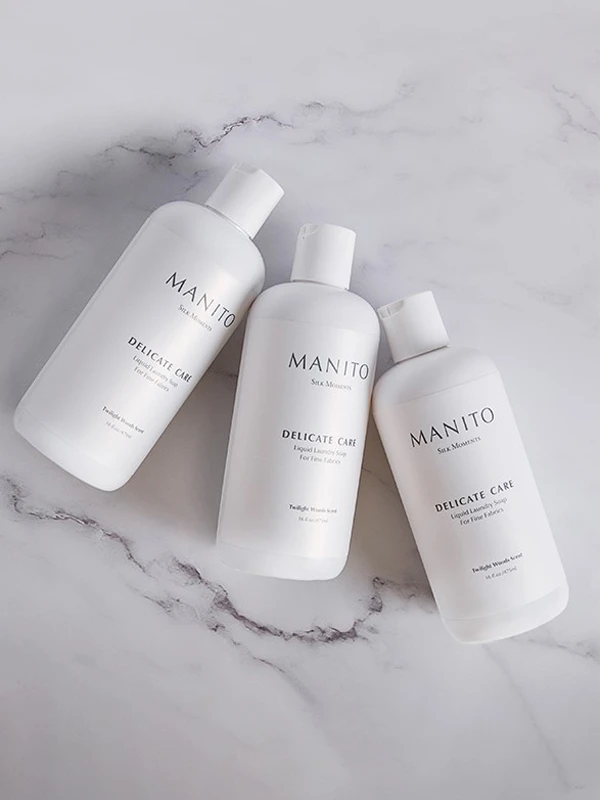
MANITO is a premium brand renowned for its innovative design and high-quality silk products, including luxurious mulberry silk home collections. Our silk, known as ‘the second skin’ offers transformative healing properties for skin and hair. Made with non-toxic, eco-friendly materials, our products are certified for safety and sustainability. Join us in providing the best for your home and yourself. Explore our exclusive range at MANITO’s website and experience the elegance and comfort of MANITO’s silk products.