









































Ever since you were a child, eight hours of sleep has been emphasized throughout your life and now there’s a high chance you are implementing the same rule to your children. How about you ask these questions and answer truthfully to yourself:
Are you feeling rested enough?
How many hours of continuous sleep are you getting?
It’s time to stop fixating on the number of hours you spend sleeping and instead focus on the quality of your sleep.
You are about to learn why you are feeling tired despite having eight hours of sleep, because it is way more complicated than that.
- Why 8 Hours Is Recommended
- How Much Sleep Is Really Necessary
- Tips For Better Sleep
- The Takeaway: Finding Your Sweet Spot
Why 8 Hours Is Recommended
Adequate sleep can be anywhere between 7-9 hours, which can vary between adults and affect their overall performance throughout the day.
The eight hours of sleep take into account the breaks you experience during your sleep cycle to make sure you have adequate sleep cycles through the night and also include the time you spend trying to sleep.
Ensuring you had a good night’s rest improves your cognitive skills, focus, cardiovascular health, immune system and even has a positive effect on your appearance.
How Much Sleep Is Really Necessary
As an adult, you might have experienced frequent breaks in your sleep. These breaks don’t exactly deter your sleeping patterns but are part of the sleep cycles you experience through the night, where the average amount varies around 5-6.
According to the latest research, human sleep is usually divided into multiple 90-110 minute cycles, although some may be shorter, ranging around 50-60.
The sleep cycle’s first stage is light sleep, in which your breathing and heart rates slow down, along with your brain waves, allowing you to relax. You are simultaneously awake and asleep, still aware of your response but less responsive.
Deep sleep confers to the second stage, in which your body secretes the growth hormone in order to repair itself. Your heart rate is now more constant, and your body is non-responsive to external stimuli, allowing the growth hormone to work its magic. Deep sleep is also known to strengthen the immune system by suppressing cortisol and increasing the production of white blood cells, integral for fighting infections, which is why proper rest is emphasized during sickness.
Both of these stages are known as NREM, which are primarily concerned with bodily functions.
The last stage of the sleep cycle, aka REM, which is characterized by “rapid eye movement.” This is because you are dreaming, watching the productions of your brain, which is at the peak of its activity during the sleep cycle, while your muscles are temporarily paralyzed to prevent you from acting out your dream.
A person usually experiences 4-6 sleep cycles at night, where the last cycle is mostly made up of light sleep. When you are taking eight hours of sleep, there is a high chance of you having woken up during the middle of the last cycle, making you feel as if you haven’t rested enough.
Sleep Quantity Variations By Age
You might have experienced a reduction in your sleep as you got older. This is mainly due to hormonal changes that cause melatonin levels to spike during the day as opposed to the natural circadian rhythm, which is supposed to increase during the night.
As children are growing up, their bodies produce more melatonin to ensure proper rest to cope with their growth needs, but it gradually decreases as they hit puberty.
According to the Sleep Foundation, recommendations for sleep duration are broken down by age group:
- Infant- 12-16 hours
- Toddler (1-2 years): 11-14 hours
- 3-5 years – 10-13 hours
- School-age, or 6 onwards, need 9-12 hours
- Teens – 8-10 hours
- Adults- 7 hours or more
You don’t need to fret over the amount of sleep you are getting since sleeping patterns can vary according to physical activity and lifestyle. These durations are largely a generalized sum of the whole population, meaning there will inevitably be a lot of variation.
Tips For Better Sleep
- Reduce the amount of blue light exposure, which translates to turning off your mobile and the Netflix you watch on your laptop.
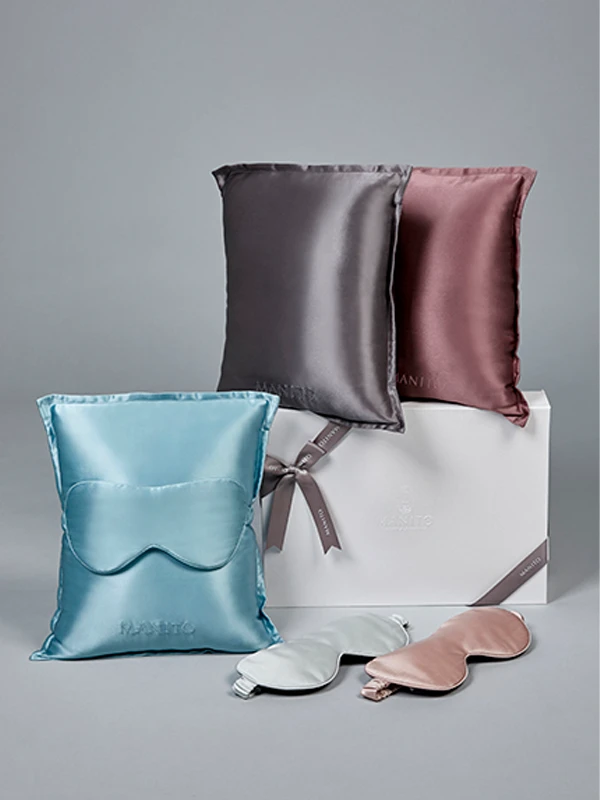
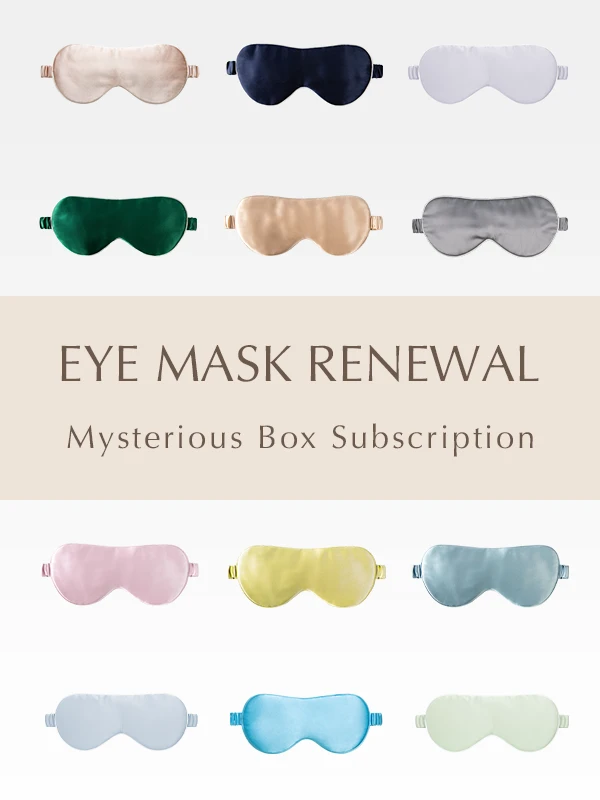
- Build a routine in which you go to bed at the same time each day. Consider incorporating a silk eye mask to block out light and improve your sleep quality.
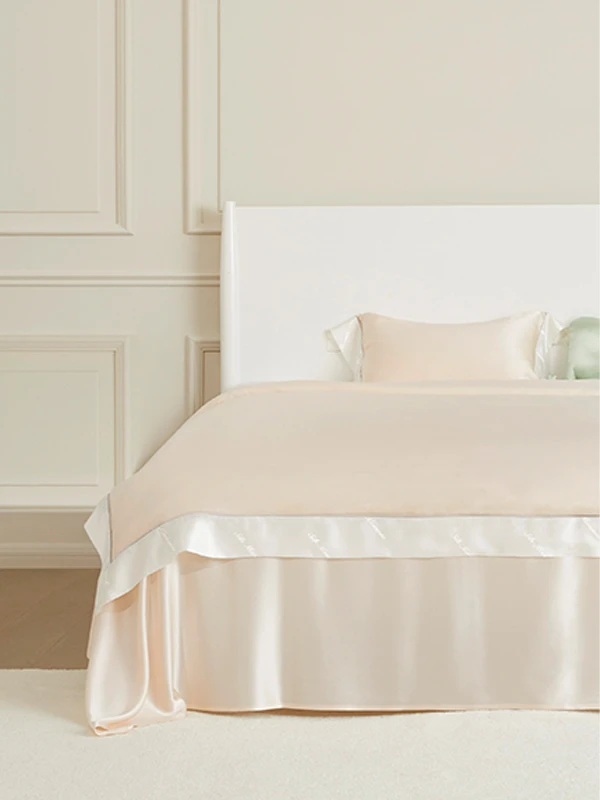
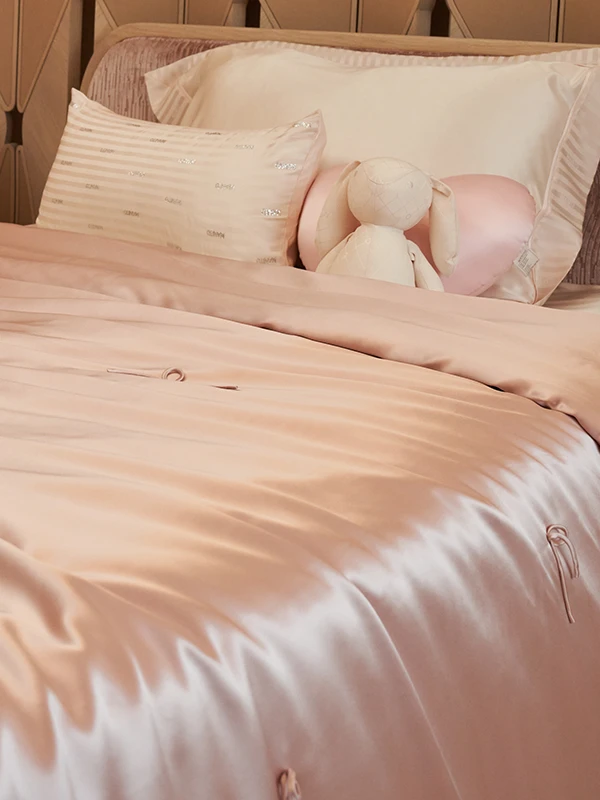
- Keep your bed just for sleeping. Opt for silk bedding and pajamas to stay cool, reduce skin irritation, and enhance overall comfort for better and longer sleep.
- Avoid caffeine, alcohol, and heavy meals at least 3-4 hours before sleeping.
- Try taking a shower or do another calming activity that can help you calm down and prepare you for bed.
The Takeaway: Finding Your Sweet Spot
Sleep was meant for relaxing, not stressing yourself over.
Even though sleep cycles can vary for most people, try to find out what works best for you and stick to it. Getting quality sleep is extremely important if you want to ensure good health.
If you think you have a sleeping disorder, don’t be hesitant to reach out to the therapist.
Meta Description: Do you need 8 hours of sleep? Understand how sleep cycles and age affect rest, plus tips for better sleep and relaxation.