



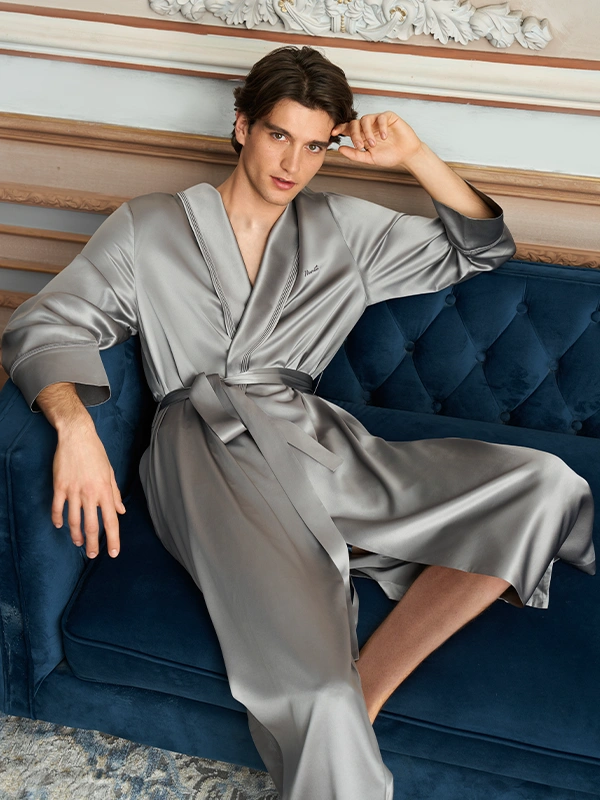
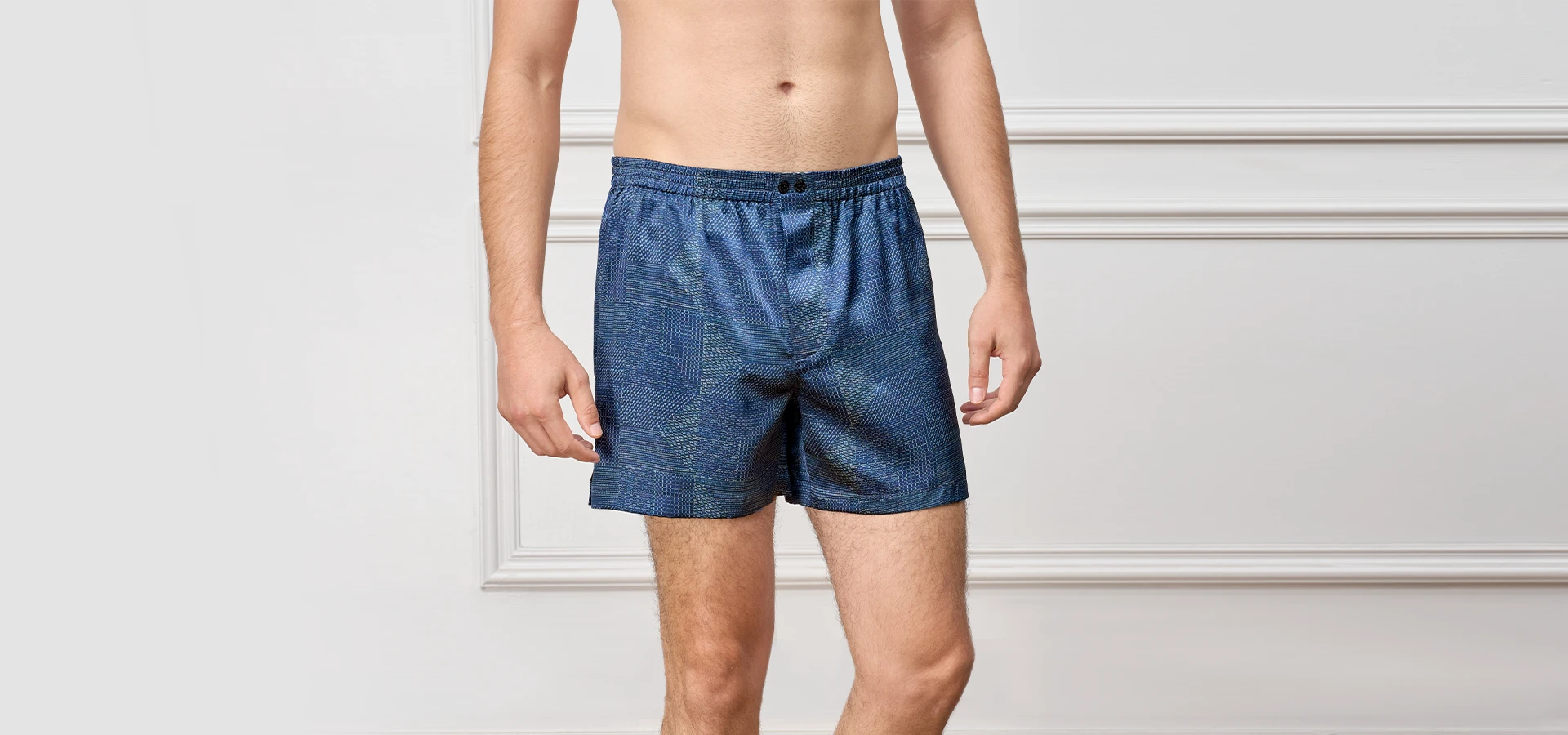
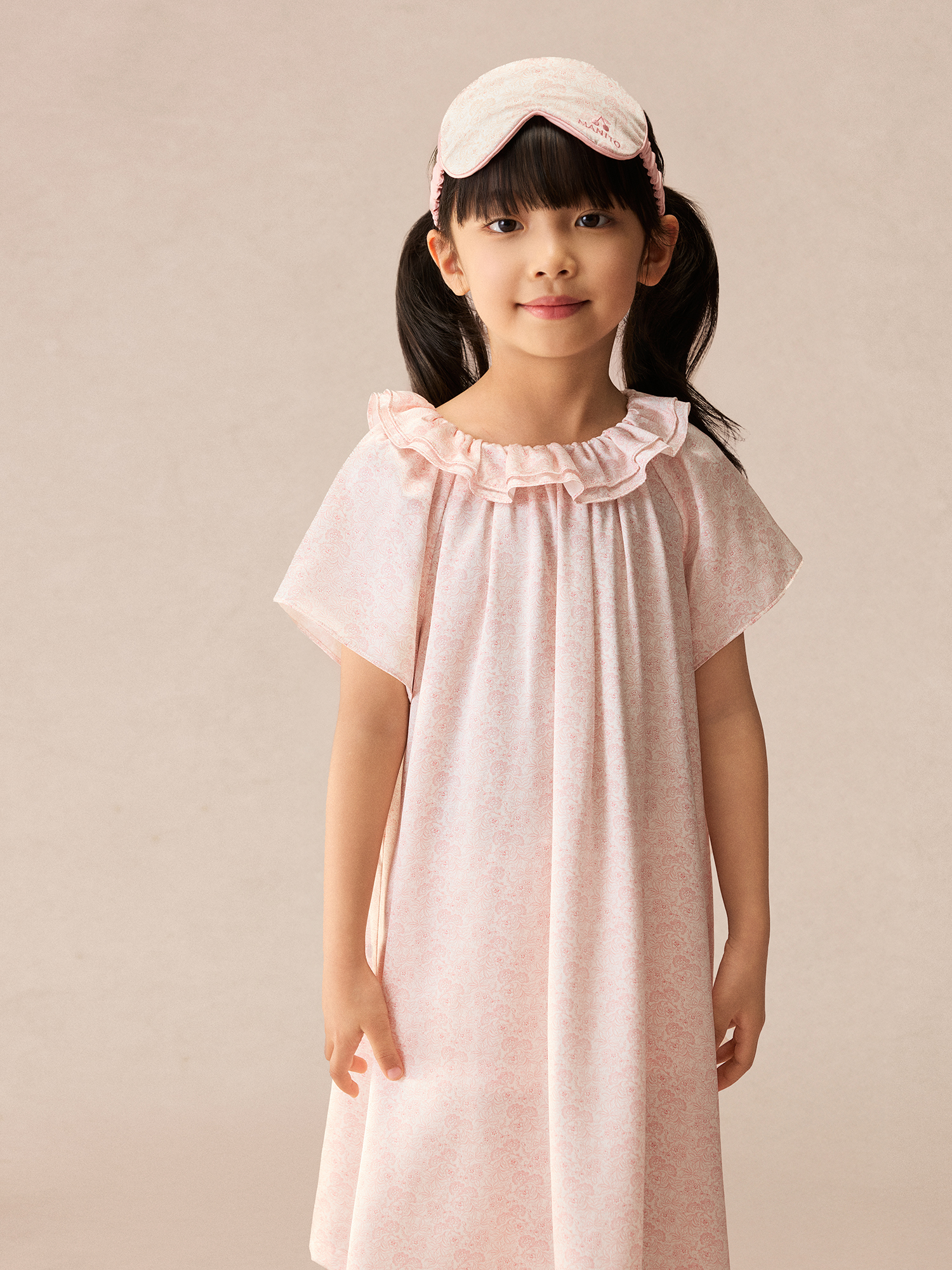







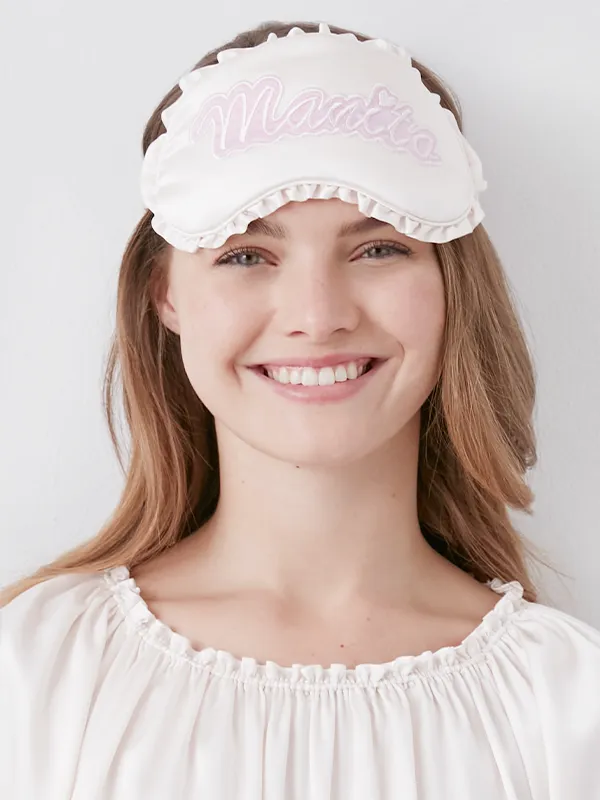
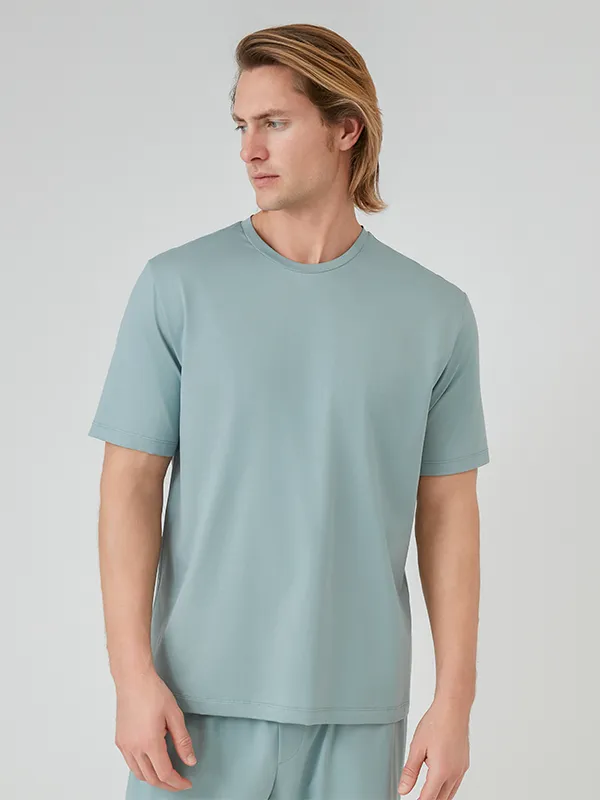
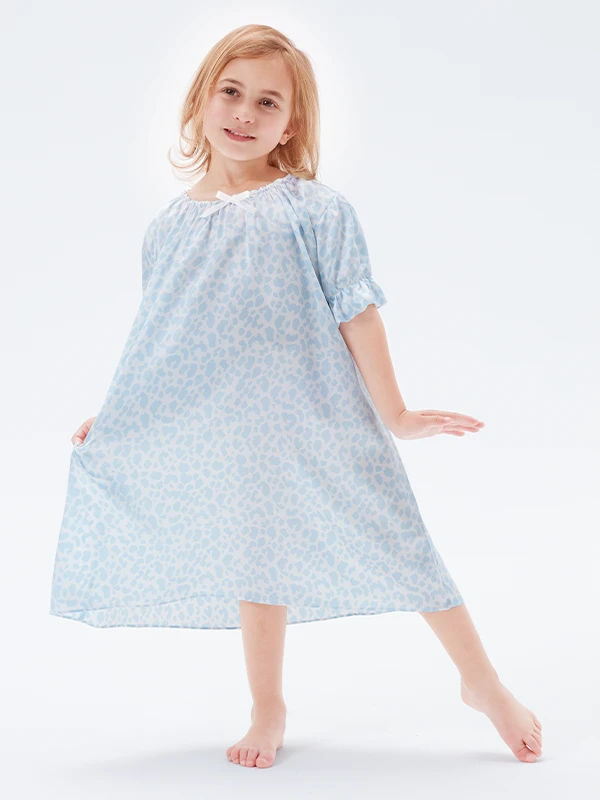

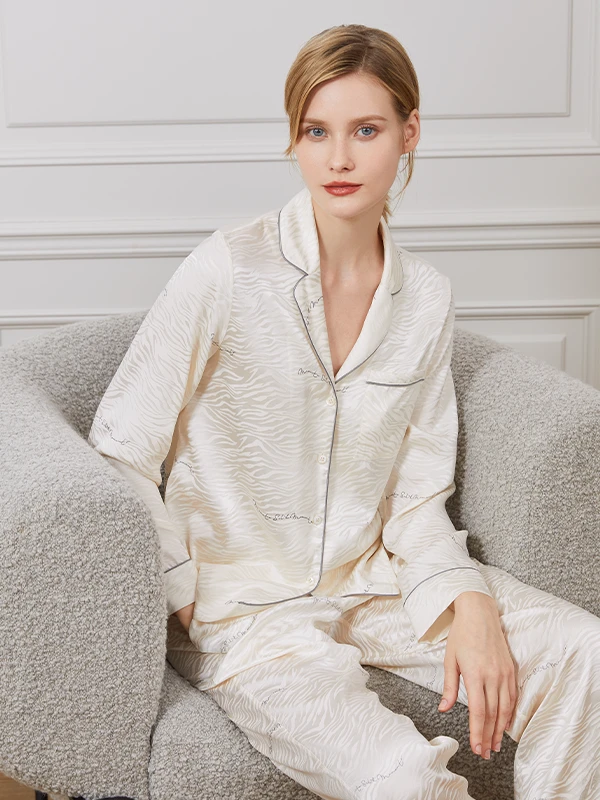
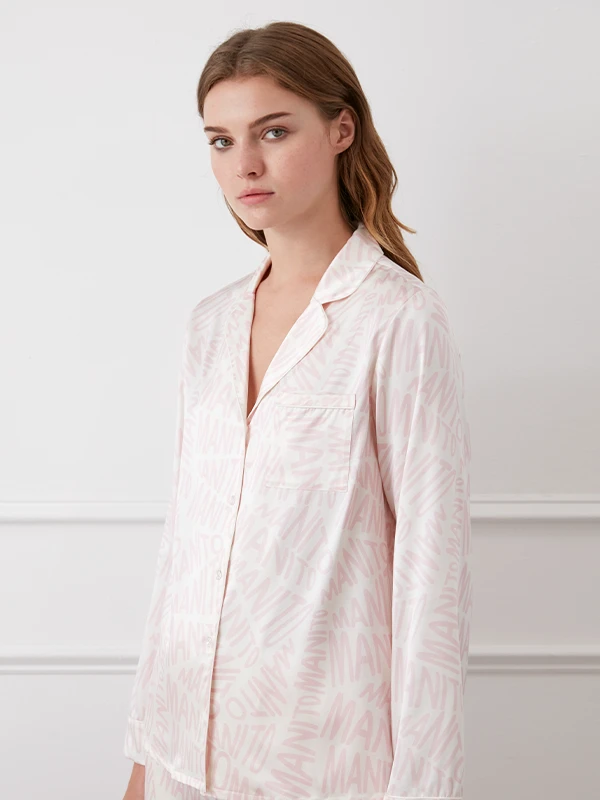
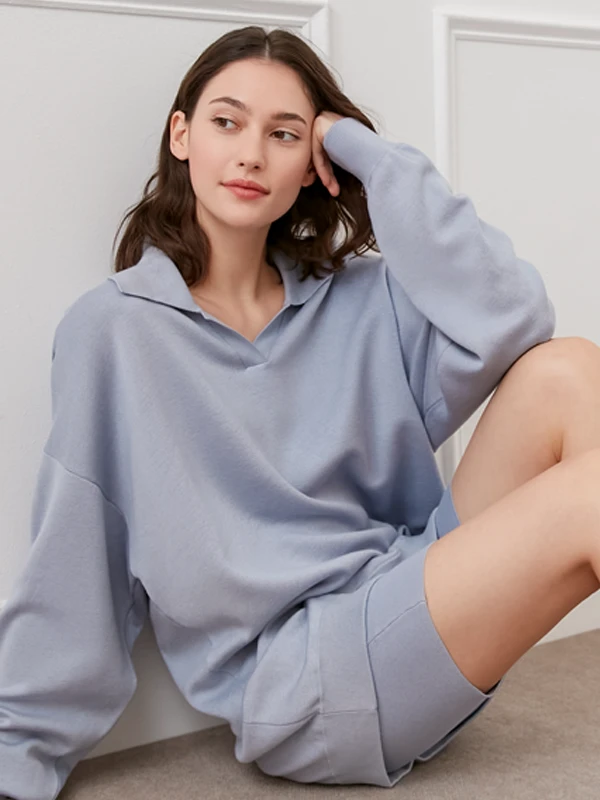
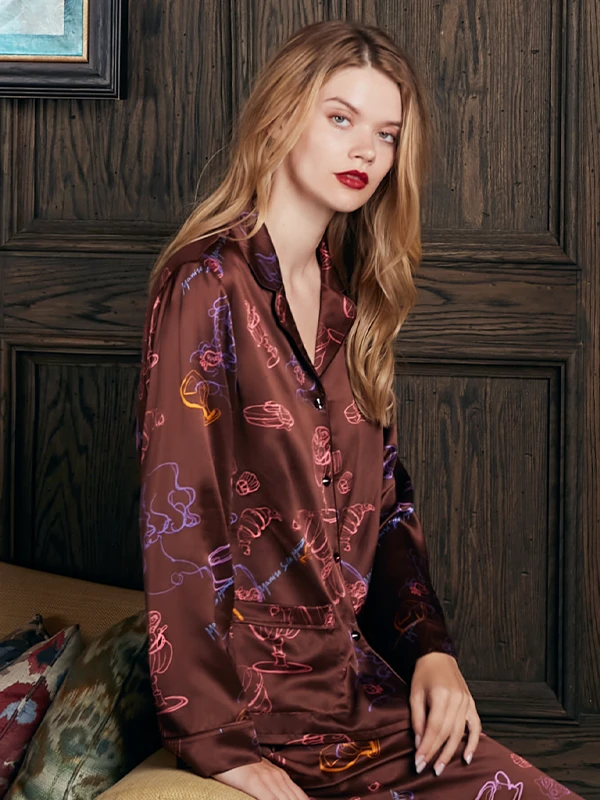
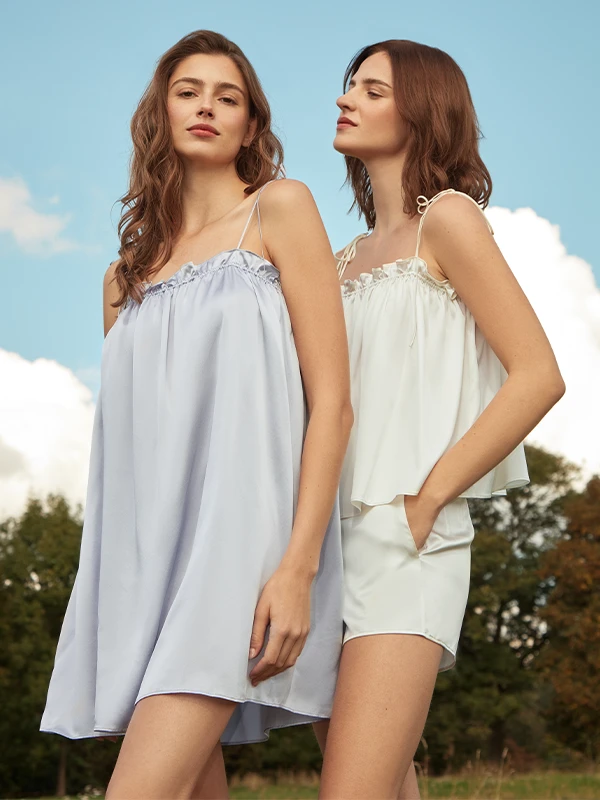







Silk’s breathability is remarkable. This natural fabric works like a built-in thermostat for our bodies. Your skin’s natural oils won’t get absorbed by silk, which makes it perfect for people with sensitive skin.
Science shows silk isn’t just about luxury – it comes with impressive practical benefits. The fabric keeps you warm when it’s cold outside and helps hot sleepers by releasing extra heat and moisture. Its tightly woven fibers create a natural shield against dust mites and allergens, which sets silk apart from other materials.
Let’s get into the science behind silk’s breathability in this piece. We’ll stack it up against other fabrics and learn about its natural properties that boost sleep quality and skin health. You’ll also discover how different silk weights (measured in momme) perform in various weather conditions.
A Silk Roadmap
- What Makes Silk Breathable?
- Silk vs. Other Fabrics: A Breathability Comparison
- Benefits of Breathable Silk for Sleep and Skin
- Conclusion
- FAQs About Silk Breathability
What Makes Silk Breathable?
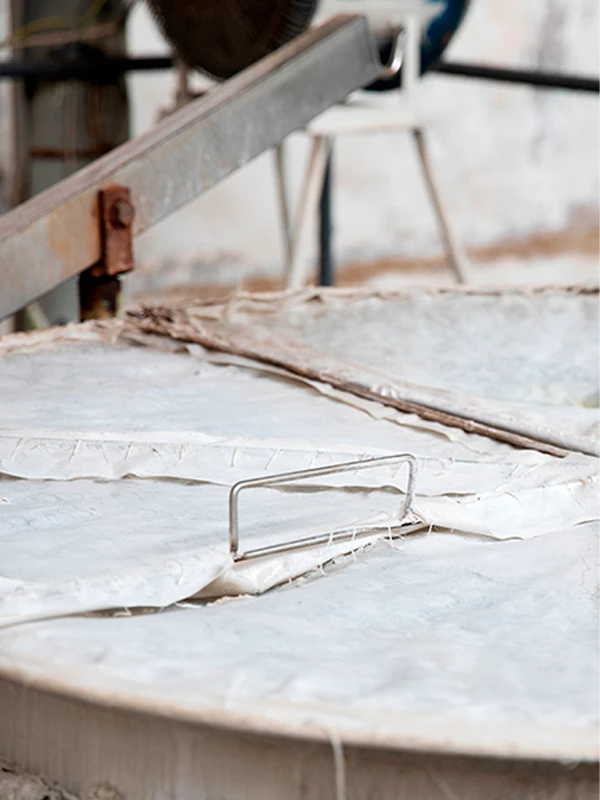
Silk’s remarkable breathability comes from its microscopic structure. The fibers contain hollow spaces making up 38% of their volume. These spaces create natural pathways that let air circulate through the fabric.
Air flows exceptionally well through silk because of its unique permeability. Research shows silk mixed fabrics reach an air permeability value of 109.3, almost double pure silk’s value of 55.0. The fabric’s physical structure creates this superior airflow, especially the spaces between weft yarns that form multiple air passages.
Different weaving techniques change how well silk breathes. Here’s what each weave does:
- Plain weave: Creates a balanced, open structure that maximizes airflow
- Twill weave: Offers moderate breathability with its diagonal pattern
- Satin weave: Provides less breathability due to its tighter construction
Silk does more than let air flow through. The fabric’s hydrophilic elements—the amino and amine groups in the fibers—help manage moisture. Your skin won’t feel sticky because silk quickly absorbs and releases moisture.
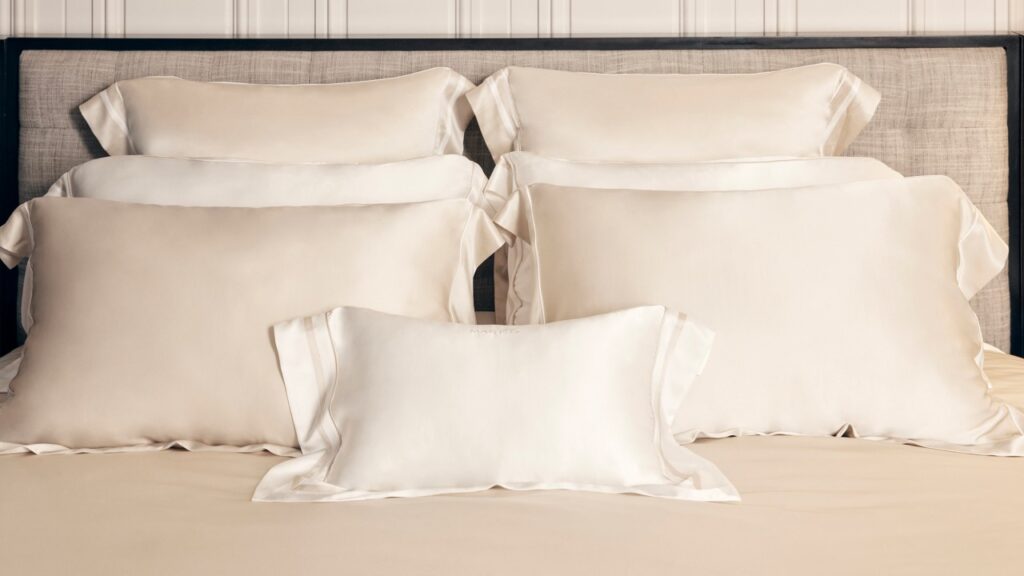
The fabric’s natural protein structure, fibroin, forms crystalline regions that create rigid, tightly packed beta-pleated sheets. These sheets make silk incredibly stable and enhance its oxygen and water permeability. This unique molecular arrangement helps silk stay breathable even after you wear it many times.
Thanks to these structural elements, silk regulates temperature better than most fabrics. Studies show silk’s thermal resistance is superior to other natural fibers, especially when handling moisture and heat transfer. Silk is lightweight and breathes well, so you’ll stay comfortable in different weather conditions.
Silk vs. Other Fabrics: A Breathability Comparison
Natural fabrics show clear differences in the way they handle moisture and temperature. Research gives us fascinating details about these materials and their performance in different conditions.
Silk vs. Cotton
Silk and cotton both shine when it comes to breathability, though they work differently. Cotton’s open structure lets air flow freely, which makes it a go-to choice for hot weather. But cotton’s way of handling moisture comes with a big drawback – it soaks up water and stays wet for a long time.
Silk is better at keeping temperature steady. Research shows it’s 30% more breathable than cotton. The reason lies in silk’s thinner and smoother fibers, which create extra space for air to move through. Unlike cotton, which holds onto moisture, silk lets it evaporate quickly, helping you stay cool.
Cotton really shines at soaking up moisture – it can hold lots of water without feeling wet. This makes it great for humid weather since it pulls moisture away from your skin. The downside? Cotton stays damp much longer than other fabrics.
Silk vs. Synthetics
Synthetic fabrics like polyester and nylon work differently from silk, with their own pros and cons. These materials are champions at wicking away sweat through their water-repelling properties. Yet they don’t breathe as naturally as silk, and might feel sticky when you sweat.
Temperature control really shows the difference between these fabrics. Silk keeps you comfortable in all kinds of weather thanks to its natural insulating qualities. Lighter silk (22-23 momme) breathes better in warm weather, while heavier silk (25-30 momme) keeps you warm when it’s cool outside.
Silk has another edge over synthetics because it’s hypoallergenic. Its smooth, tight fibers make it harder for dust mites and allergens to stick around. As a bonus, silk naturally fights off mold and mildew, which adds to its benefits beyond just letting air through.
Benefits of Breathable Silk for Sleep and Skin
Silk’s exceptional breathability significantly improves sleep quality and skin health. Research shows that quality sleep requires a temperature of 91±2°F and humidity of 50±5% (RH). The natural properties of silk help maintain these optimal conditions all night.
- Better Sleep Through Temperature Control Scientific studies show that silk’s moisture-wicking properties can absorb and release about 200cc of night time perspiration. The fabric’s unique fibroin peptide chain contains hydrophilic groups that make it 1.5 times better at absorbing moisture than cotton. This superior moisture management helps keep your body temperature consistent while you sleep.
- Enhanced Skin Hydration Silk’s smooth texture creates a protective barrier that keeps skin moisture intact. The fabric’s structure absorbs only 11% of its weight in liquid, compared to cotton which takes up to 30%. Your skin maintains its natural oils and stays properly hydrated throughout the night.
- Anti-Aging Benefits The protein structure in silk contains 18 essential amino acids that speed up skin cell metabolism. The fabric’s smooth surface prevents sleep creases that often form from repeated facial contact with rougher materials. This gentle interaction with your skin helps reduce the development of permanent wrinkles associated with collagen decline.
- Protection for Sensitive Skin Silk allows consistent air circulation that prevents sweat buildup and reduces the risk of pore-clogging bacteria. The fabric’s natural antimicrobial properties resist dirt, mold, and mildew. These characteristics make silk particularly beneficial if you have skin conditions like dermatitis, rosacea, and eczema.
Silk’s breathable qualities go beyond simple comfort. The fabric’s millions of air pockets facilitate sweat evaporation, keeping you dry and comfortable all night. This natural temperature regulation, combined with silk’s hypoallergenic qualities, creates the perfect environment for restful sleep and skin rejuvenation.
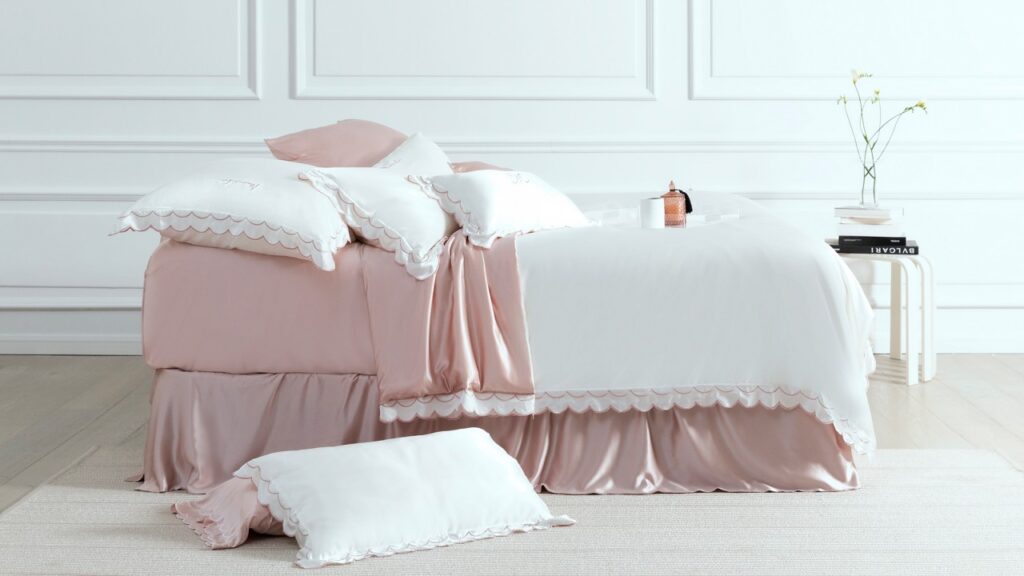
Why MANITO Silk Stands Out for Breathability
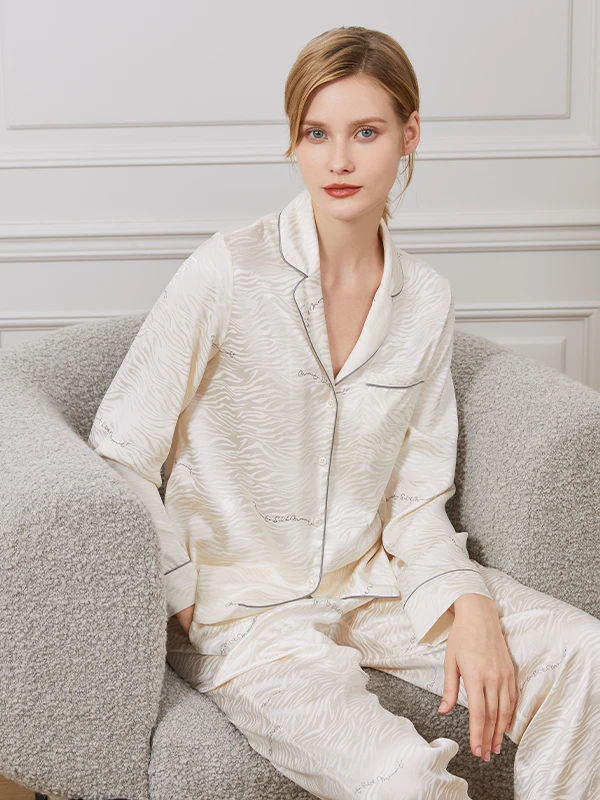
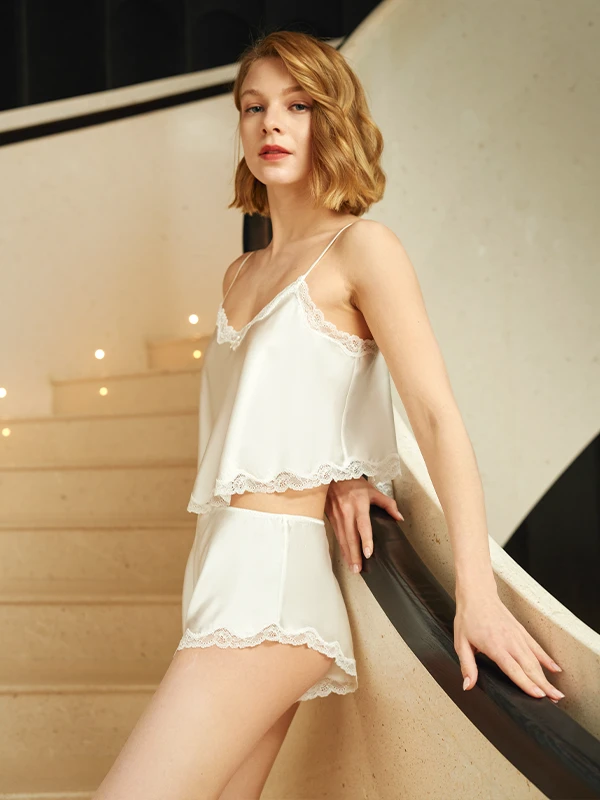
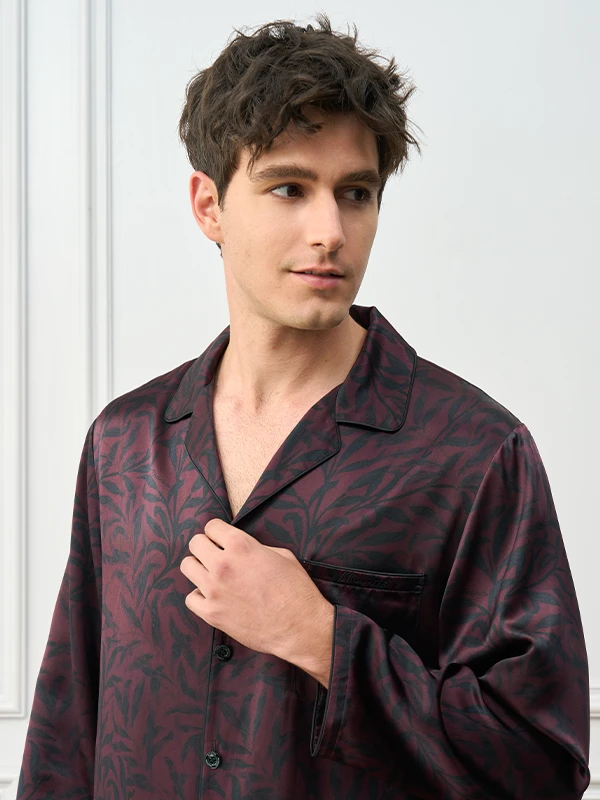
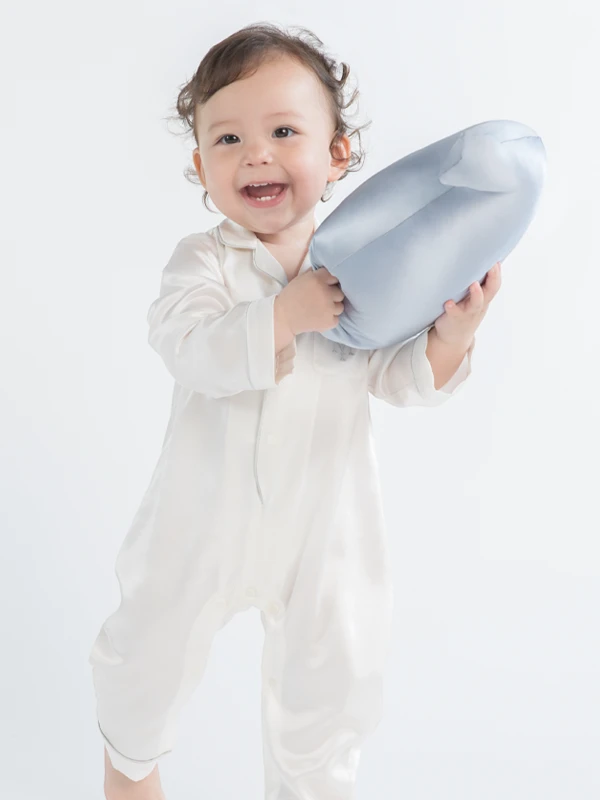
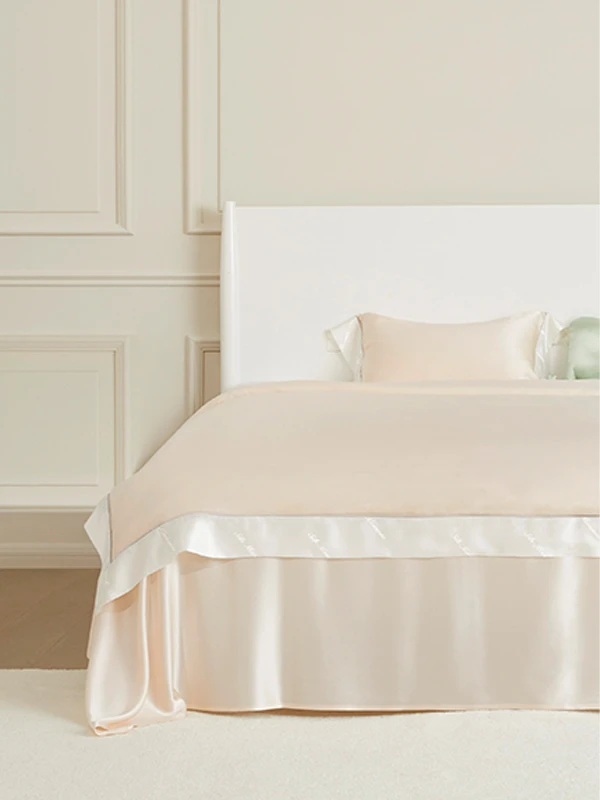
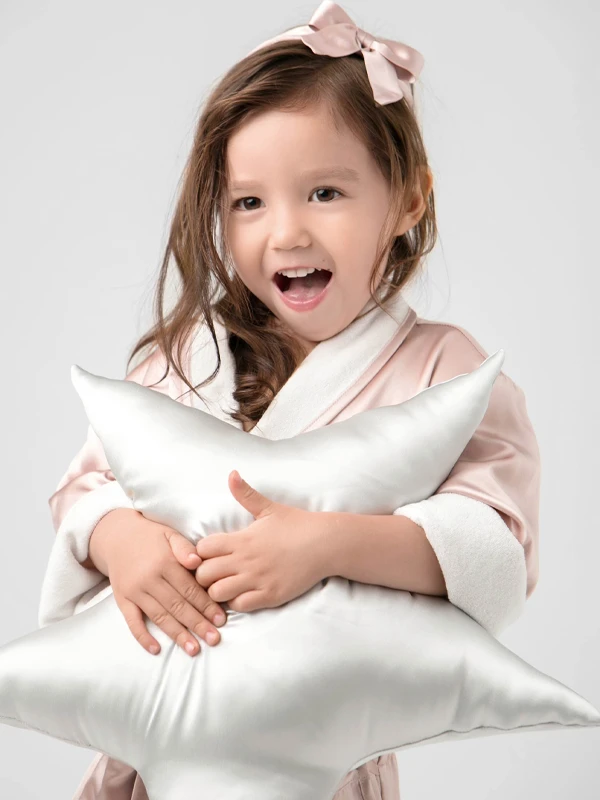
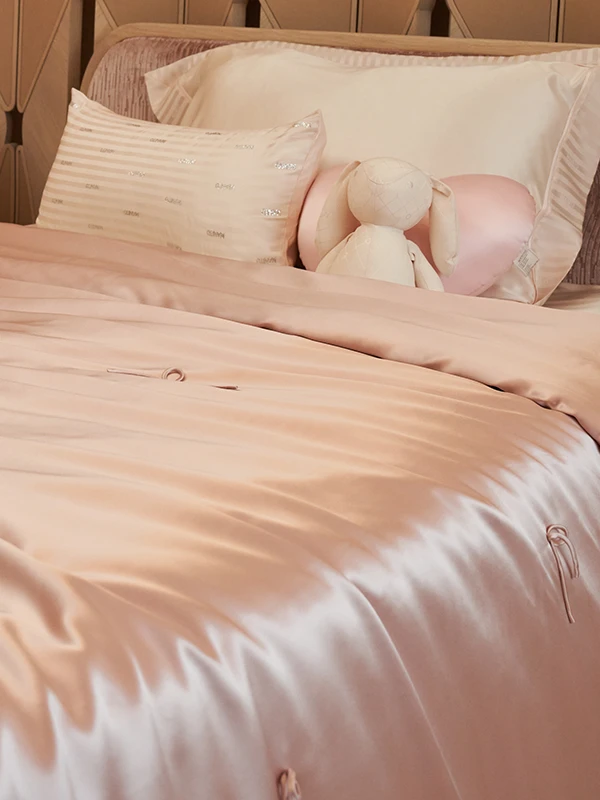
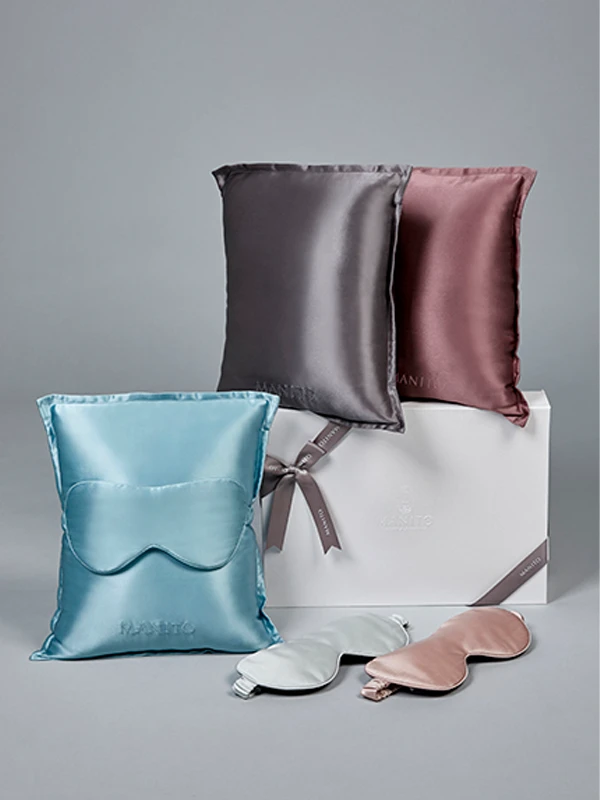
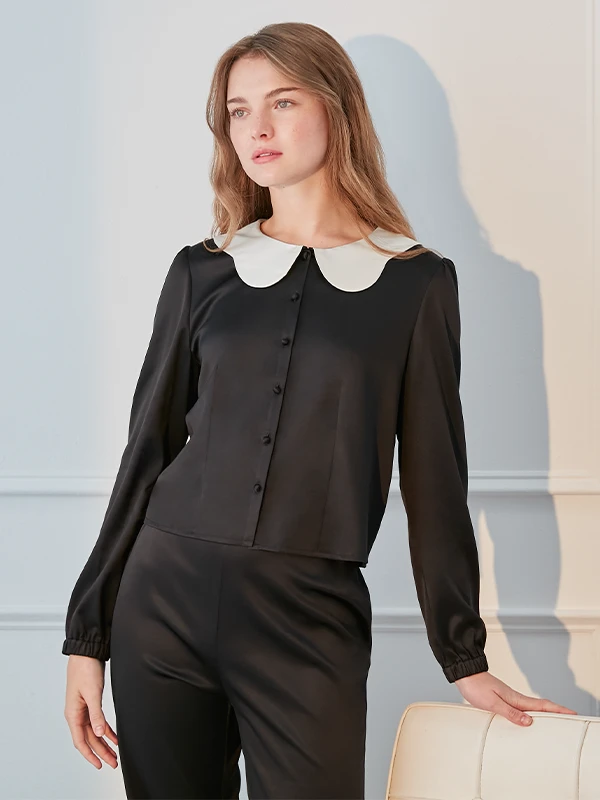
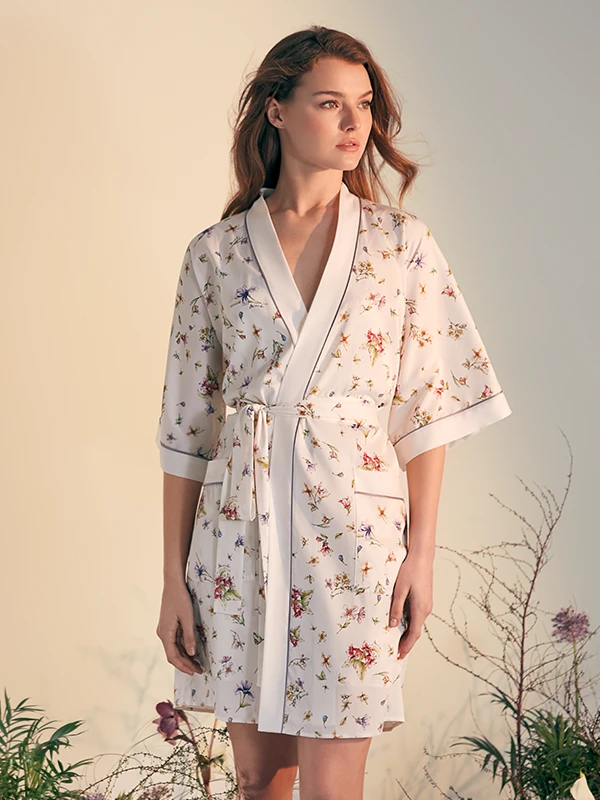
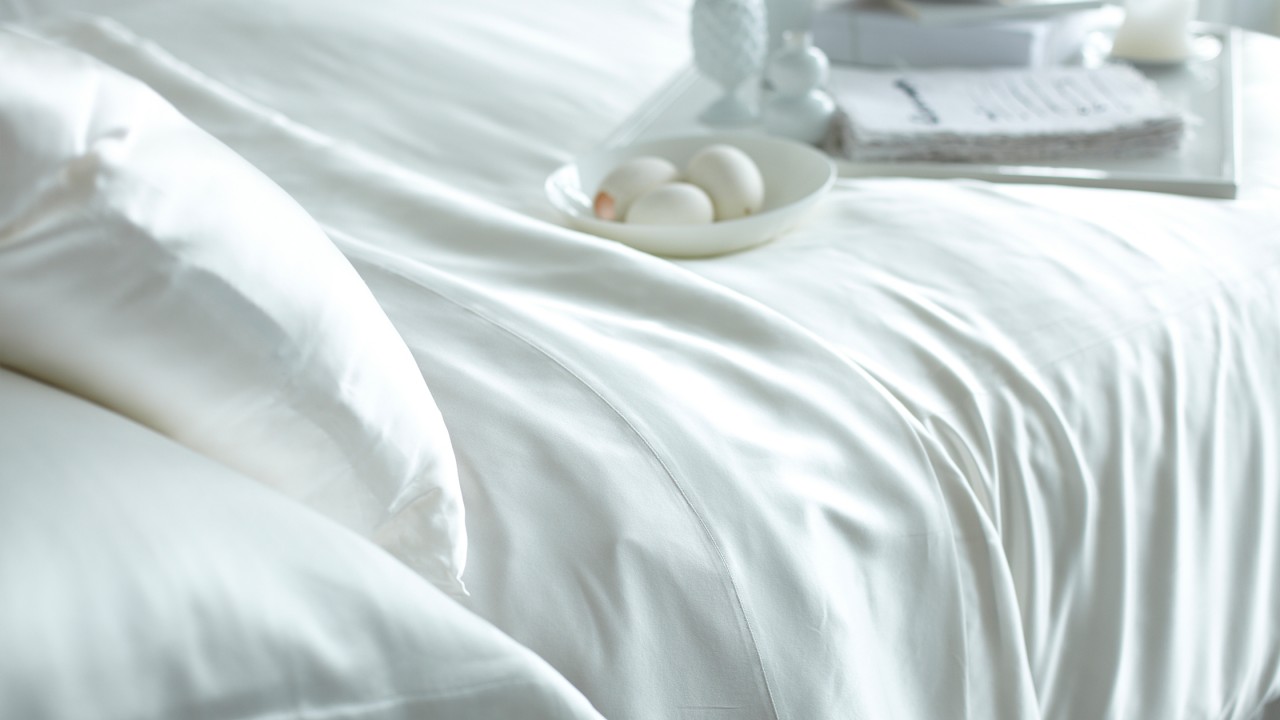
For those seeking the ultimate in breathable luxury, MANITO delivers with its premium silk pajamas and bedding. Crafted from high-quality mulberry silk, products like the MANITO Silk Pajama Set and MANITO Silk Sheets maximize airflow and moisture management, making them ideal for hot sleepers and sensitive skin alike. With a focus on expert craftsmanship, MANITO uses lightweight weaves to enhance breathability while maintaining durability. Plus, our commitment to sustainable sourcing ensures you’re indulging in eco-friendly luxury. Elevate your sleep with MANITO—shop our collection today.
Conclusion
Scientific research shows how silk stands out from other fabrics with its exceptional breathability and temperature control. Silk’s hollow fibers combine with its natural protein structure and quick moisture management to create perfect conditions that keep your skin healthy and comfortable.
Cotton and synthetic materials have their own benefits. However, silk breathes better than cotton, making it perfect for use throughout the year. The fabric’s structure helps you sleep better by controlling moisture and temperature, which directly improves your sleep quality and keeps your skin healthy.
Silk’s natural qualities combine to create something special. Its ability to control temperature, fight off allergens, and support skin health through amino acids makes it more than just a luxury fabric. MANITO Silk Pajamas and Silk Sheets are a great way to enjoy these benefits, especially when you want to stay comfortable in warm weather.
Silk isn’t just another premium fabric choice. It’s a proven solution that helps you sleep better and keeps your skin healthy. Research supports its status as one of nature’s most impressive materials, and its practical benefits make it worth having in your bedroom and closet.
FAQs About Silk Breathability
Q1. Is silk suitable for hot weather?
Silk is generally suitable for hot weather due to its breathability and moisture-wicking properties. It allows air to circulate freely and effectively draws moisture away from the skin, keeping you dry. However, it’s important to note that lighter-weight silks (22-23 momme) are more breathable and better suited for warm weather than heavier silks.
Q2. How does silk compare to cotton in terms of breathability?
Silk is approximately 30% more breathable than cotton. Its smooth, thin fibers create more space for air circulation, allowing for better moisture evaporation. While cotton is absorbent, it tends to retain moisture, which can make you feel warmer. Silk, on the other hand, efficiently releases moisture, contributing to its cooling effect.
Q3. What are the benefits of silk for sleep and skin?
Silk offers numerous benefits for sleep and skin health. Its temperature-regulating properties help maintain an ideal sleeping environment. Silk’s smooth texture creates a protective barrier that preserves skin moisture, while its protein structure contains amino acids that can accelerate skin cell metabolism. Silk’s hypoallergenic properties also make it resistant to dust mites, mold, and mildew, benefiting those with sensitive skin or allergies.
Q5. How does silk’s breathability compare to synthetic fabrics?
Silk generally offers better breathability than most synthetic fabrics. While synthetics like polyester and nylon are good at wicking moisture, they often lack silk’s natural breathability. Silk’s unique structure allows it to regulate temperature more effectively, keeping you cool in summer and warm in winter. Moreover, silk’s natural properties make it hypoallergenic and resistant to mold and mildew, advantages not typically found in synthetic materials.