














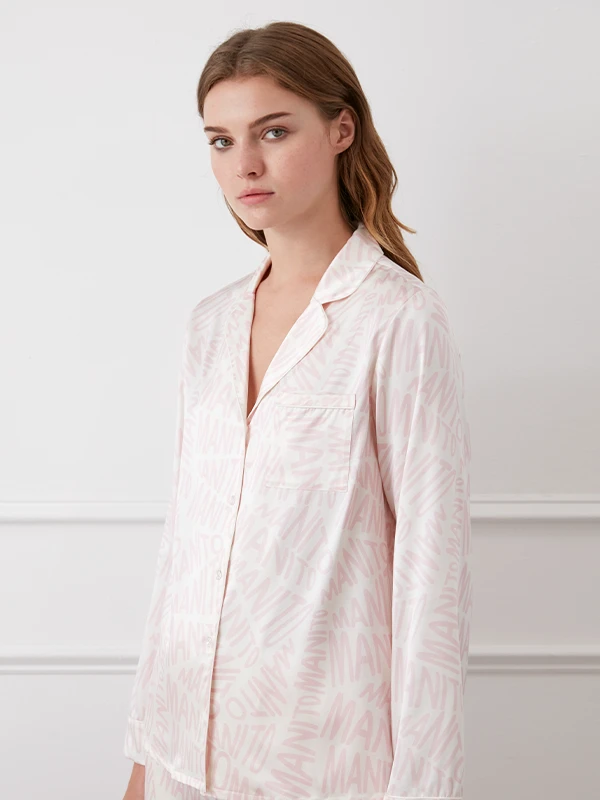

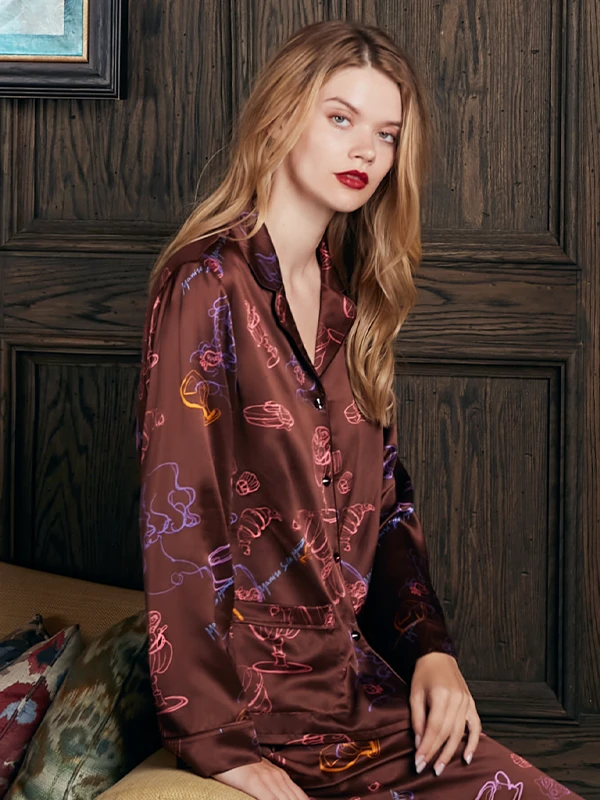
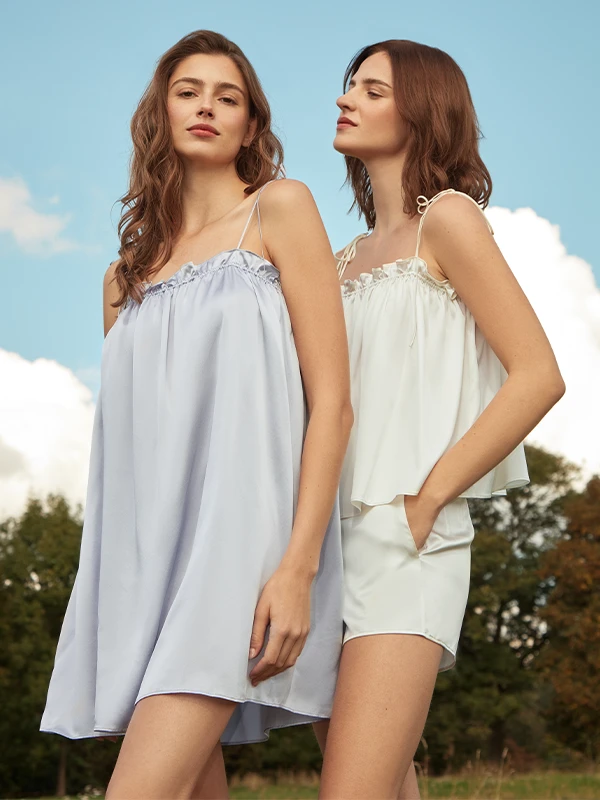

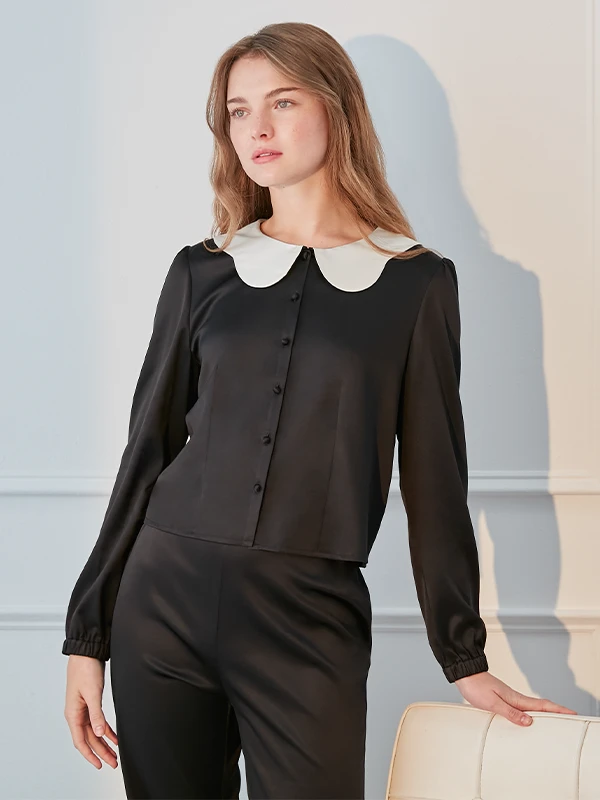




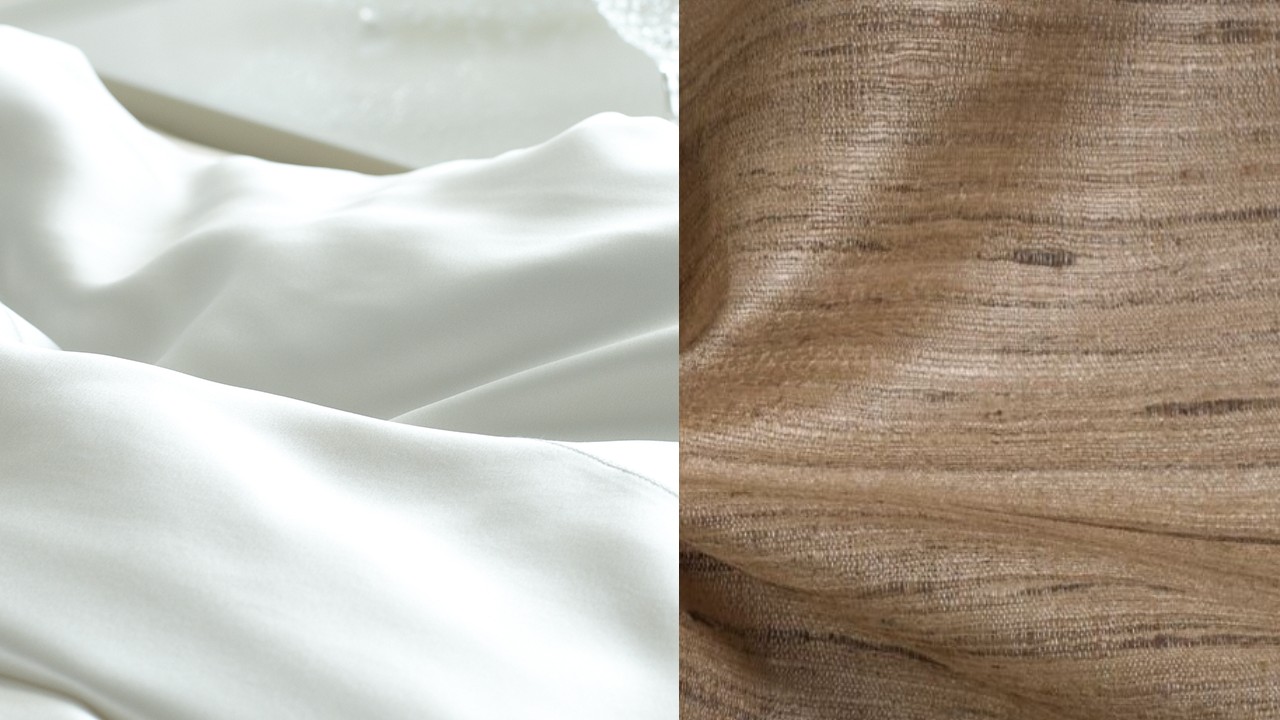
Silk is a pretty popular fabric, renowned for its timeless luxury and elegance. Silk is basically a protein fiber that’s produced by silkworms. There are different kinds of silk, so it’s better to understand each in detail to choose the right one. The differences between the silk types vary based on several factors, like cultivation methods, fiber quality, and environmental impact.
In this guide, we’ll explore the nuances of mulberry silk vs wild silk to help you understand their unique properties and applications.
- What is Mulberry Silk?
- What is Wild Silk?
- Key Differences Between Mulberry Silk and Wild Silk
- Sustainability and Environmental Impact
- Common Applications and Uses
- Conclusion
What is Mulberry Silk?
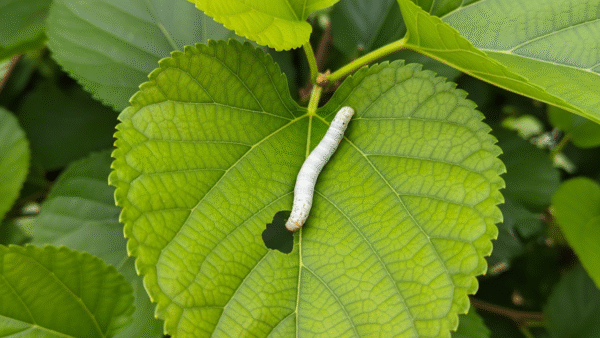
Mulberry silk comes from the Bombyx mori silkworm, which feeds only on mulberry leaves. This diet gives the silk its smooth texture and natural shine. The fabric’s story began in ancient China, where silk was treasured and traded along the Silk Road. Over time, the craft spread worldwide, but mulberry silk has always remained the finest grade. The domesticated silkworm produces long, even fibers, making fabric that feels soft, strong, and durable.
Want to learn more? See our guides on different types of silk compared to mulberry silk and the silk production process from cocoon to fabric.
What is Wild Silk?
Wild silk comes from silkworms that live in forests, mainly Antheraea species like tasar or muga, which feed on leaves from oak, castor, or asan trees. Unlike mulberry silk, the cocoons are often collected after the moth has emerged, so the fibers are shorter, but the process is seen as more ethical. After degumming, the silk is spun into thread.
The fibers are thicker and less even, giving wild silk a coarse texture and a matte look instead of shine. It is strong, naturally resistant to UV, and comes in shades that range from cream to golden brown. India, China, and Africa produce much of the world’s wild silk, with local climate and plants shaping its quality.
Key Differences Between Mulberry Silk and Wild Silk
Silk is not all the same. Mulberry and wild silk come from different types of silkworms and grow under very different conditions. Knowing the differences can help you choose the right silk for bedding, clothing, or accessories.

Production and Cultivation
Mulberry silk comes from domesticated Bombyx mori silkworms that feed only on mulberry leaves. The environment is carefully controlled, which ensures consistent fiber quality. Wild silk, on the other hand, comes from silkworms like the Antheraea species living in forests or semi-wild areas.
They eat a variety of leaves, and environmental conditions such as rainfall, temperature, and soil quality affect the fiber. The collection is often done after the moth emerges, making it less uniform but more ethical.
Fiber Quality and Structure
Mulberry silk has long, even fibers that are smooth and strong. Wild silk fibers are shorter, thicker, and less consistent, which gives them a rougher texture. Both are durable, but mulberry silk is easier to weave into fine fabrics due to its uniformity.
Appearance and Texture
Mulberry silk has a natural shine and a soft, smooth hand. Wild silk tends to be matte with a coarser feel. This makes wild silk unique and rustic, while mulberry silk delivers the classic luxurious softness many expect from silk.
Durability and Maintenance
Both types are strong, but mulberry silk often requires gentler washing to prevent damage. Wild silk is more forgiving in daily use, though the fibers can snag more easily due to irregularity. Wrinkle resistance is generally higher in mulberry silk, but wild silk’s natural texture hides creases well.
Cost Factors
Mulberry silk is usually more expensive because of controlled feeding, careful rearing, and uniform fiber production. Wild silk is often more affordable, partly due to shorter, irregular fibres and semi-wild collection methods
| Type | Pros | Cons |
| Mulberry Silk | Superior softness, consistency, luxury feel | Higher cost |
| Wild Silk | Unique texture, affordability | Variable quality, coarser feel |
Both silks have their strengths. Choose mulberry for consistent luxury and smoothness, or wild silk for natural texture and budget-friendly options.
Sustainability and Environmental Impact
Silk production has different ecological footprints depending on the type. Mulberry silk comes from silkworms raised on controlled farms where mulberry trees are cultivated. These farms can require significant water and sometimes use pesticides to keep the trees healthy.
Certifications like OEKO-TEX help ensure fibers are produced with lower chemical impact. Brands such as MANITO focus on natural, sustainable farming practices, balancing quality with environmental care.
Wild silk relies on silkworms living in forests or semi-wild areas. Because these insects feed on a variety of native leaves, the process involves minimal intervention and can support local biodiversity. However, wild silk is not without challenges: habitat loss and deforestation can threaten the silkworms’ natural environment and long-term availability of the fibers.
Common Applications and Uses
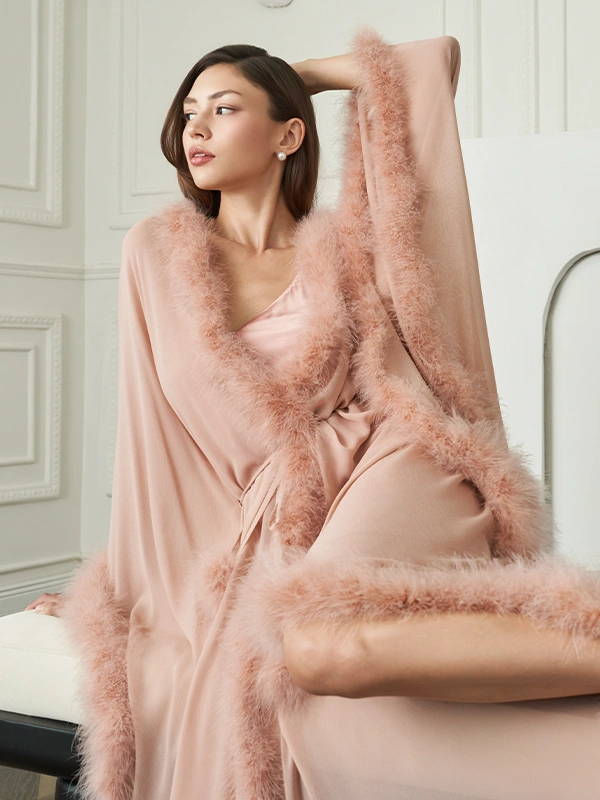
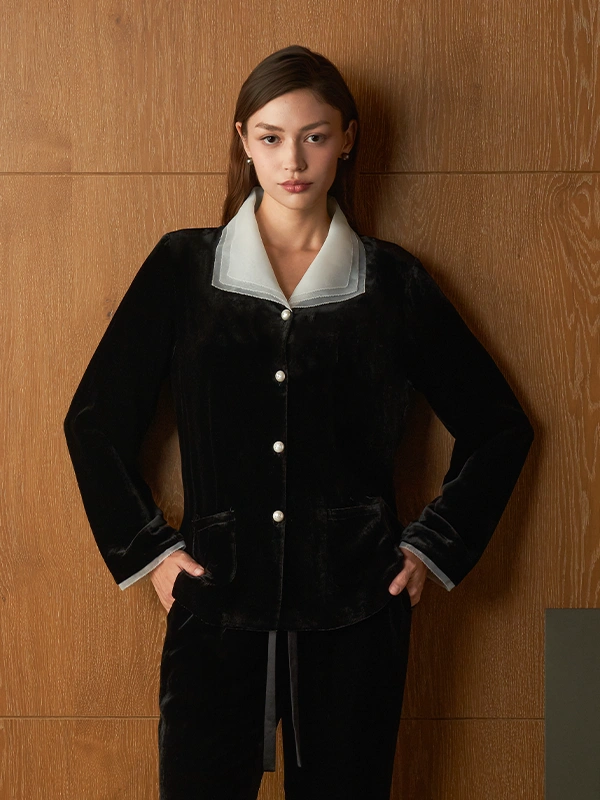
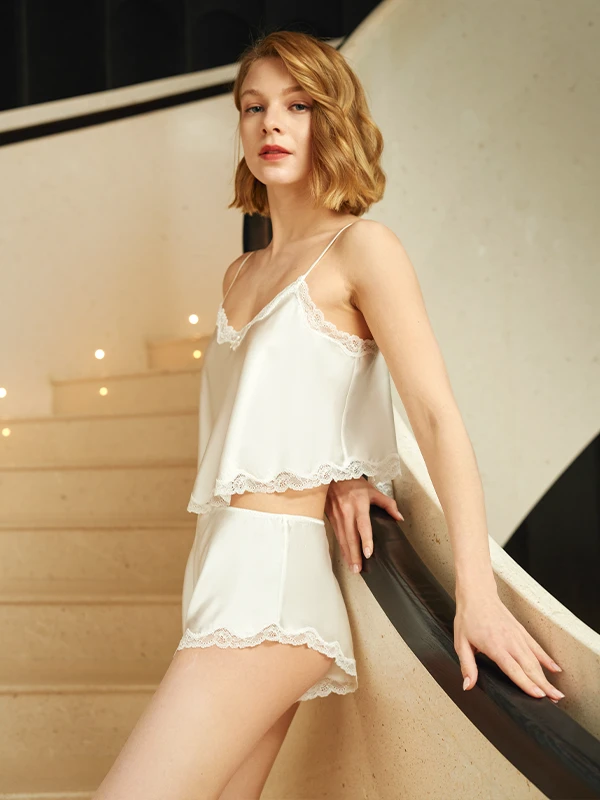
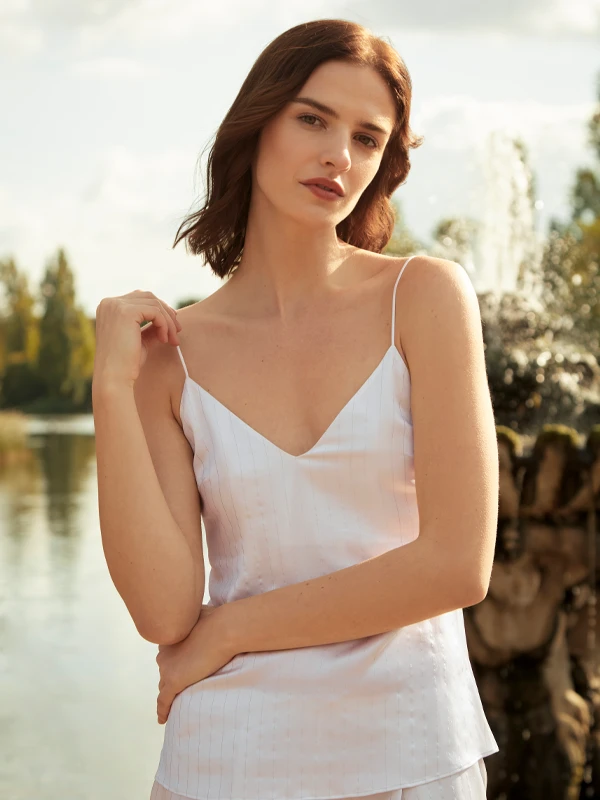
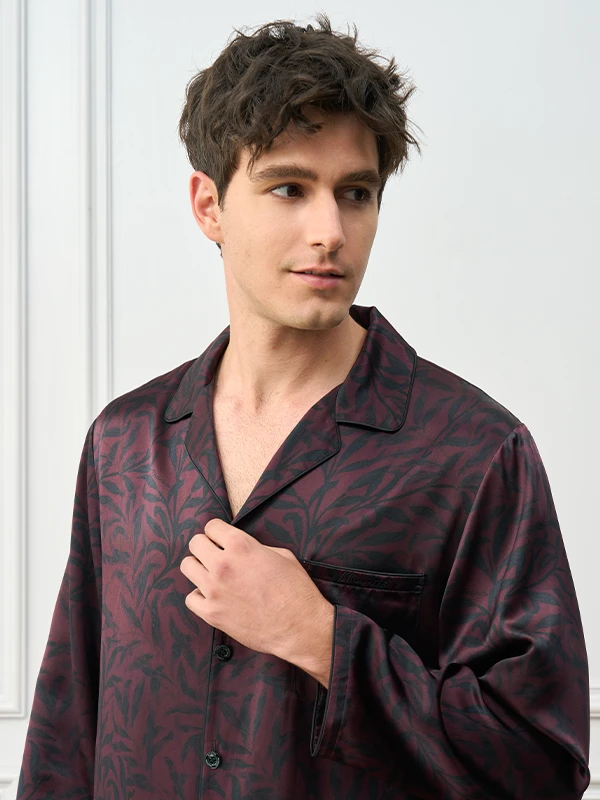
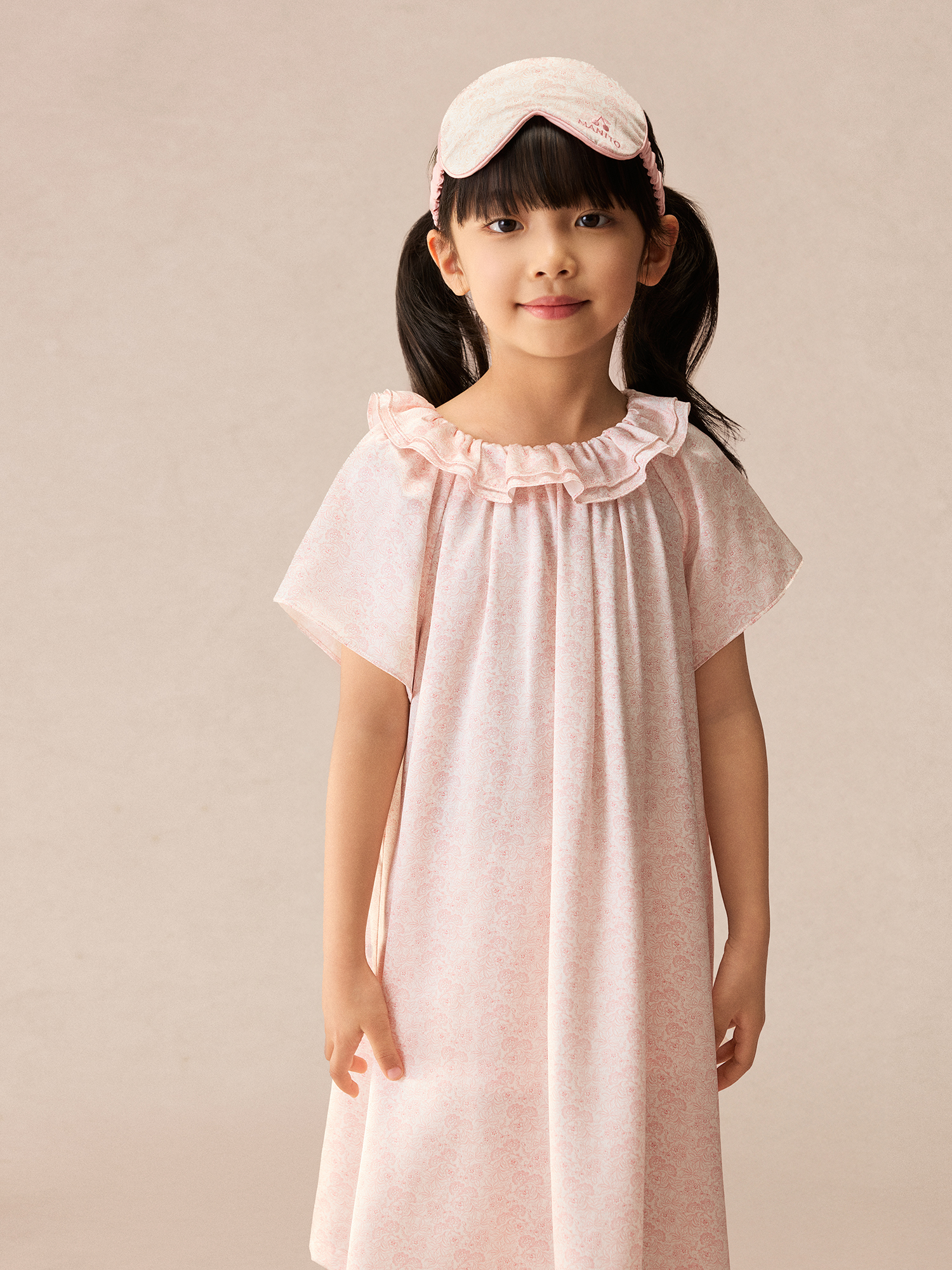
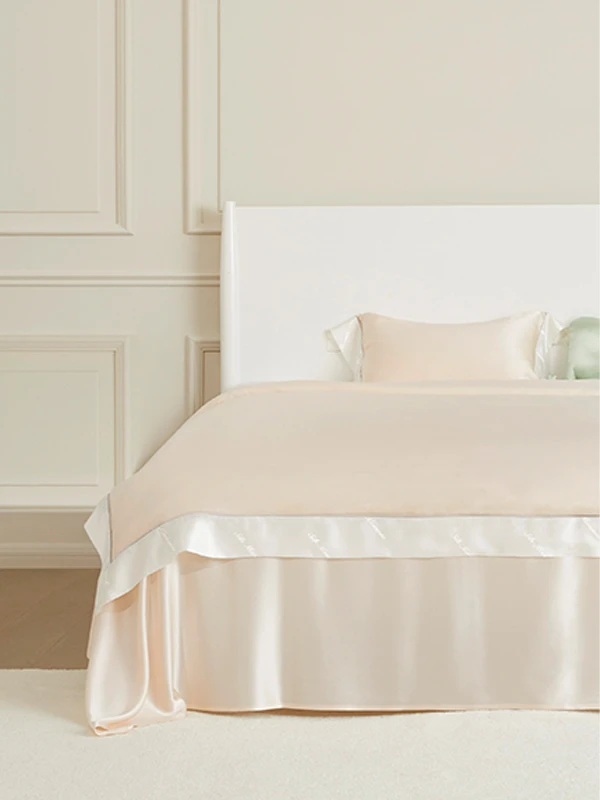
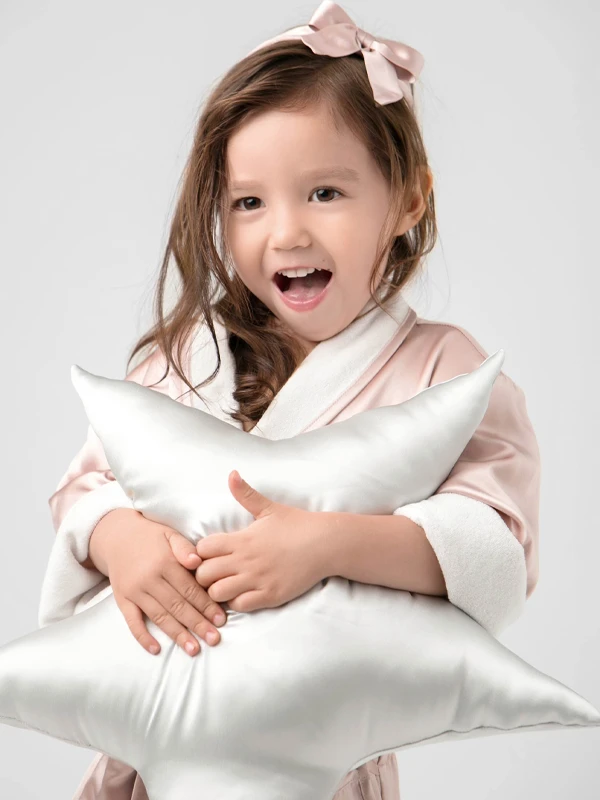
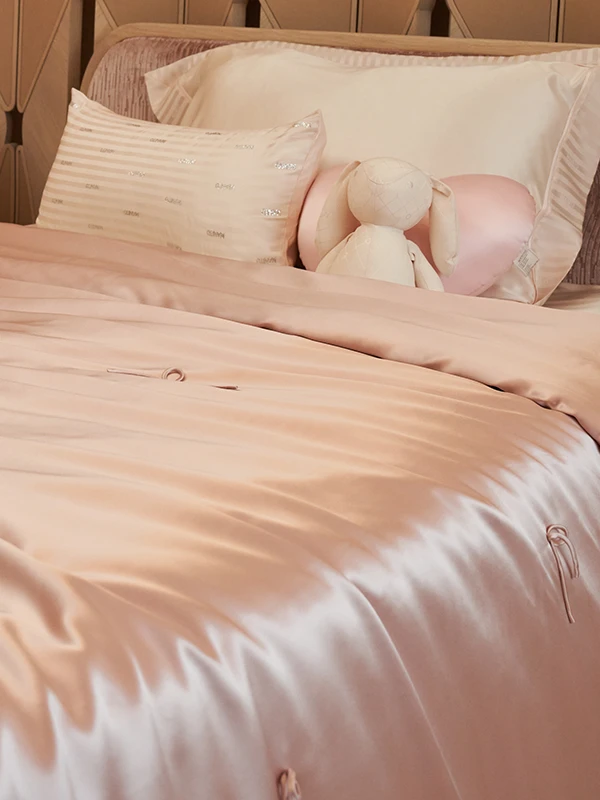
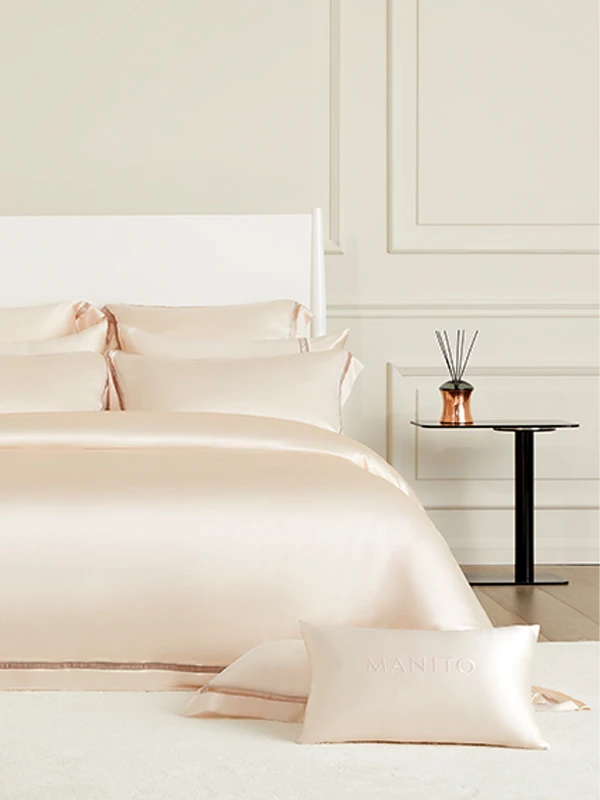
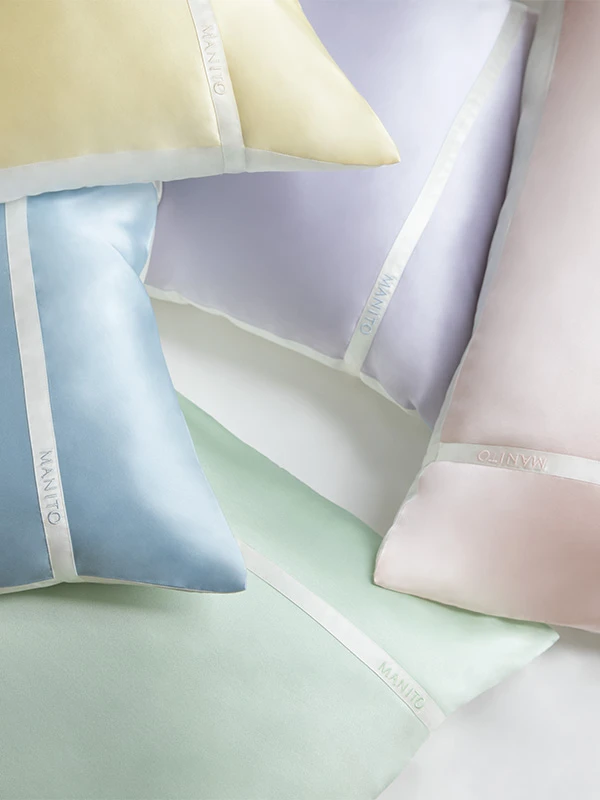
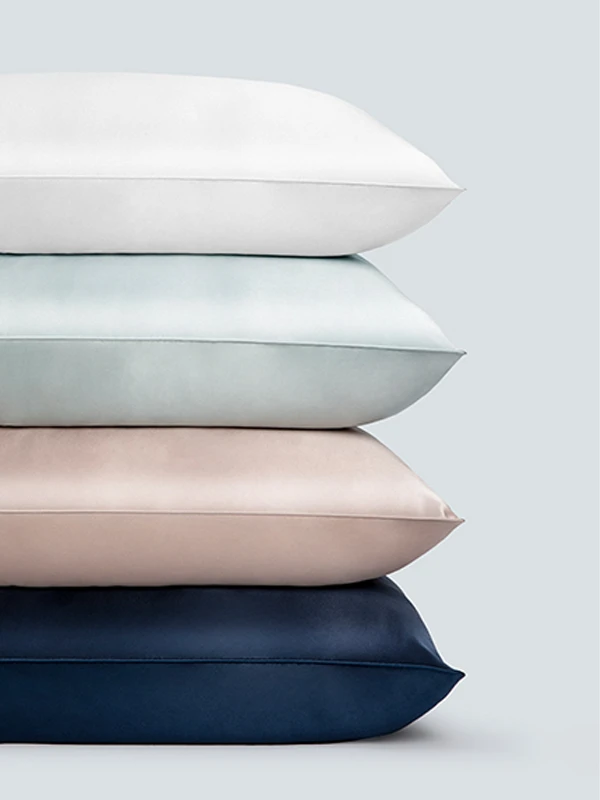
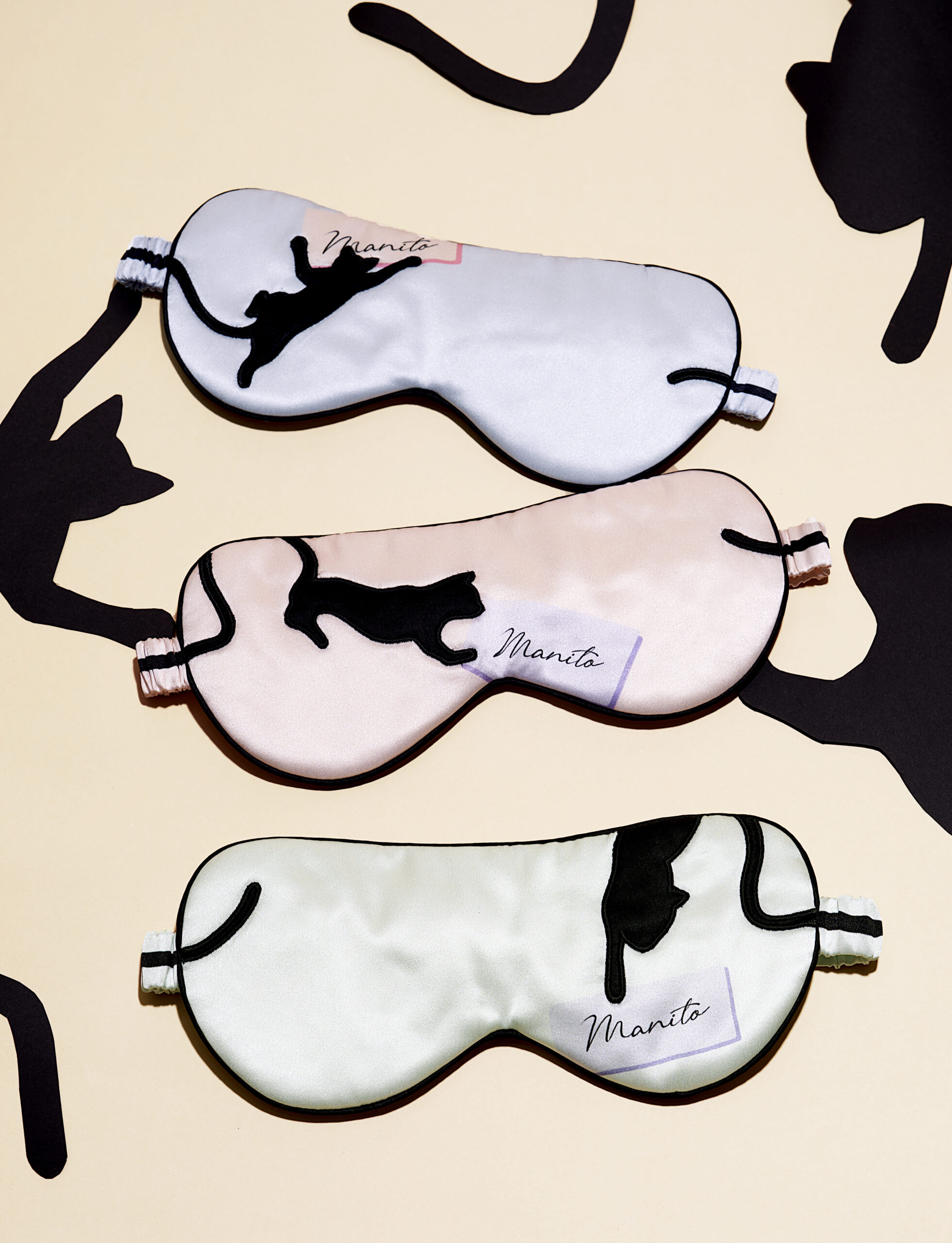
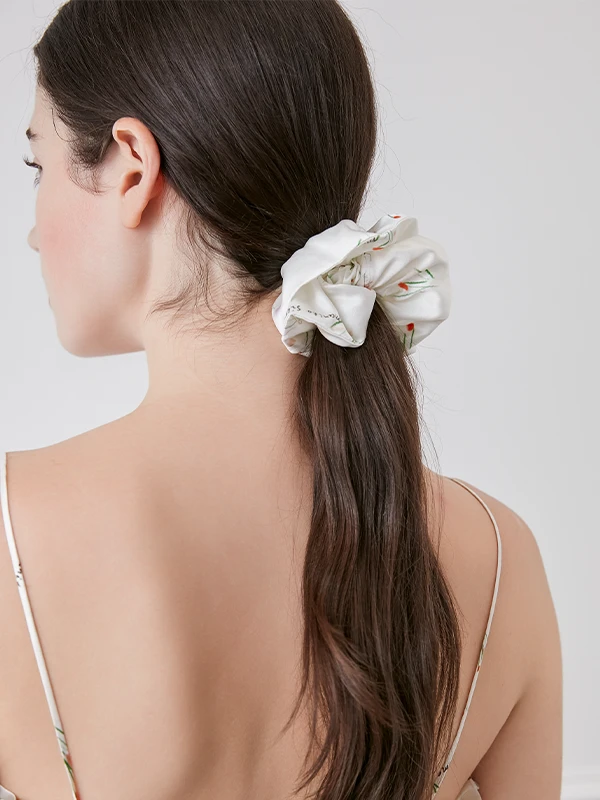
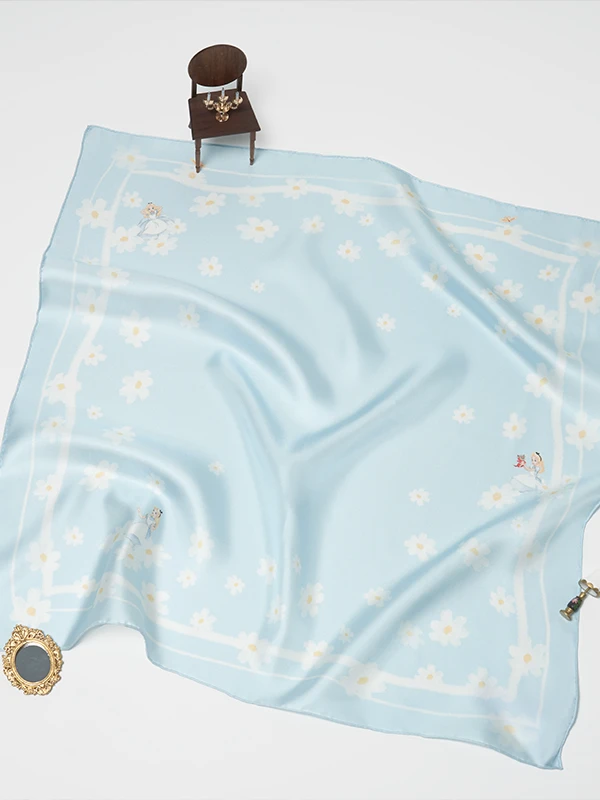
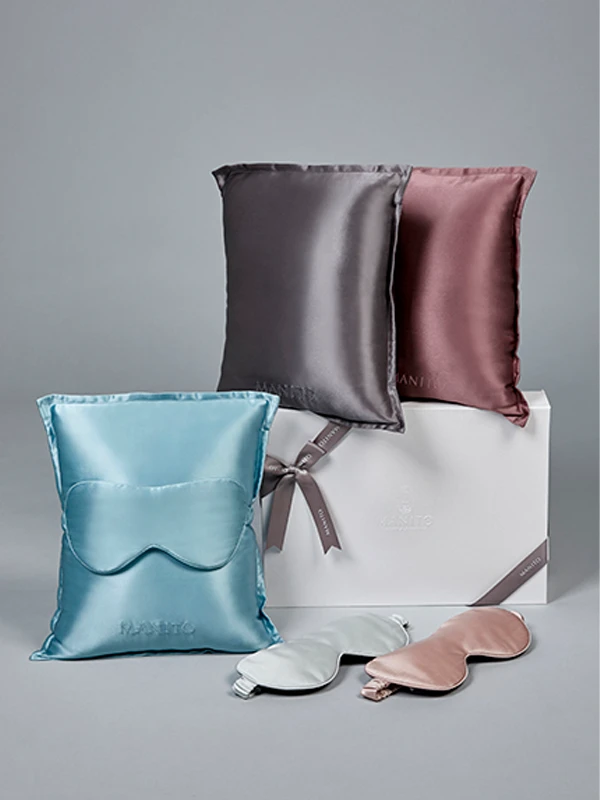
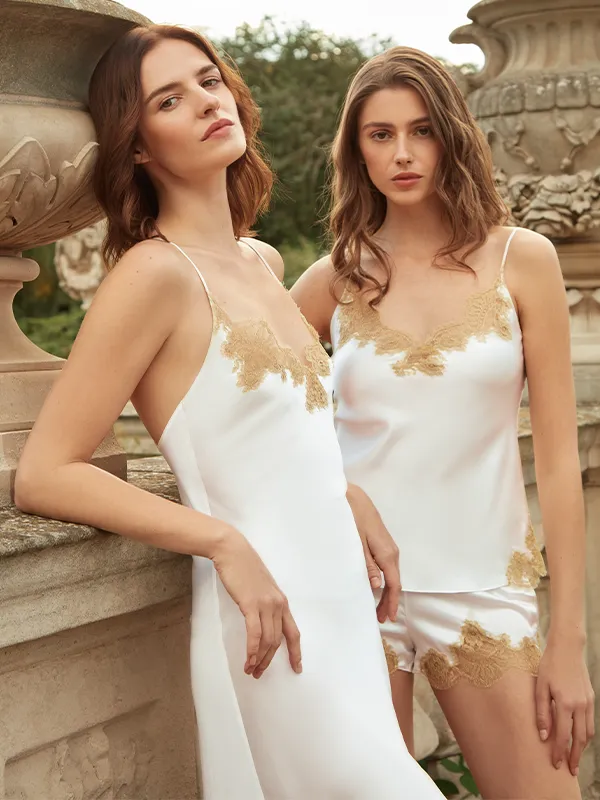
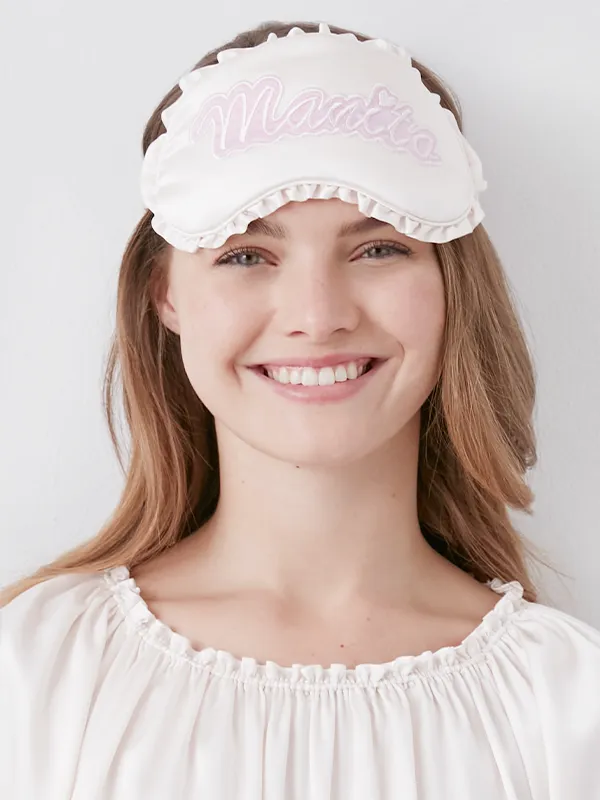
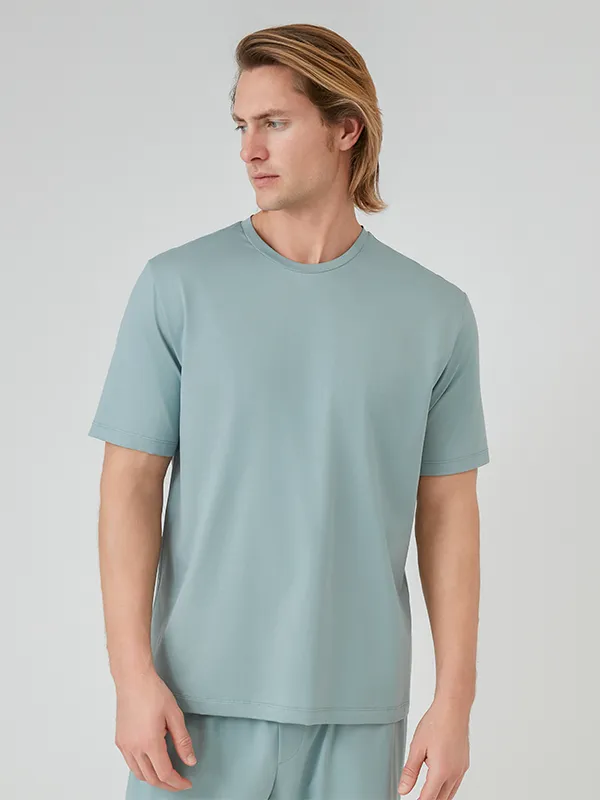
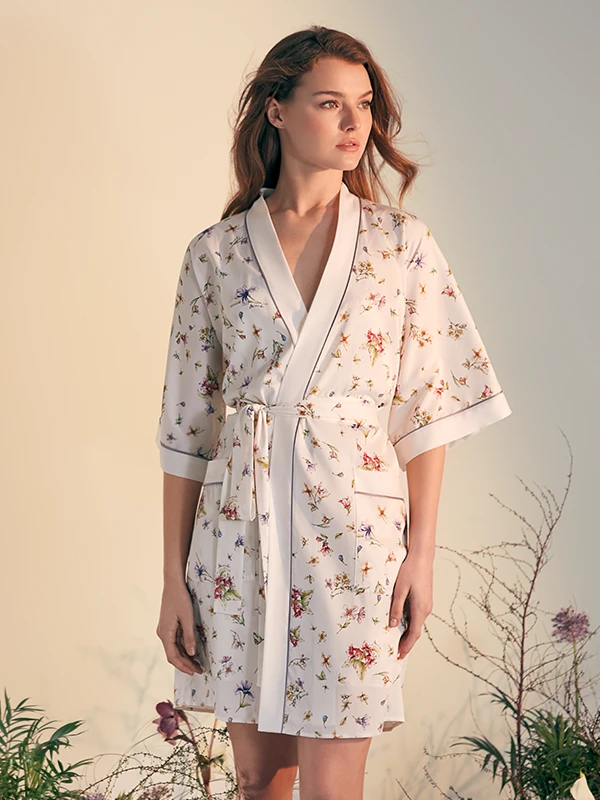
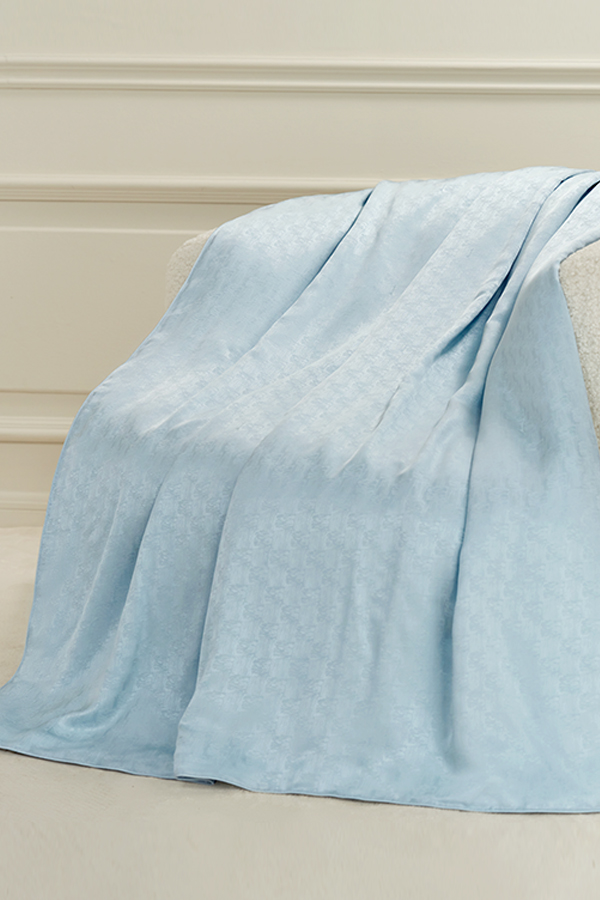
Mulberry silk is prized for its softness and smoothness, making it perfect for bedding like sheets and pillowcases, as well as luxury apparel such as scarves, dresses, and sleepwear. It is also used in cosmetic items like silk pillowcases or masks, which are gentle on skin and hair.
Wild silk is thicker and more textured, lending itself well to textiles, upholstery, and artisanal crafts. Its natural matte finish and unique fibres make it popular for decorative fabrics, wall hangings, and handwoven garments that celebrate rustic or natural aesthetics.
Conclusion
Mulberry silk and wild silk each offer different qualities. Mulberry silk is soft, smooth, and consistent, ideal for luxury bedding, apparel, and skincare items. Wild silk is coarser, textured, and unique, making it suitable for artisanal crafts, upholstery, and rustic textiles. Knowing the differences between mulberry silk vs wild silk helps you pick the right fabric for your needs.
For eco-conscious options, brands like MANITO offer sustainable mulberry silk products, combining luxury with responsible farming practices. To learn more, explore our detailed guides on MANITO.