







































You roll out of bed feeling rested, only to spot tiny white flakes on your dark sheets. It’s not the morning view anyone hopes for. Maybe you brush them off and move on, but they’re back again the next day. Dandruff on bed sheets isn’t just about looks. It connects to hygiene, scalp balance, and how peaceful your sleep feels. The problem is common, but so are the fixes.
Let’s learn how to clean dandruff from sheets through cleaning, prevention, and one change that can make the issue fade away for good.
Table of Contents
How to Thoroughly Clean Dandruff from Bed Sheets
If your bedding already has visible flakes, the best option is to reset completely. Fresh, clean sheets make it easier to maintain scalp health afterward. Here’s an easy routine that works to get rid of dandruff on the pillowcase.
Step 1: The Pre-Wash Prep
Take the sheets outside first. Give them a few strong shakes and watch what flies off. For the bits that stick, roll a lint remover over the surface or use your vacuum’s upholstery brush. Doing this before washing keeps those flakes from floating around in the machine and reattaching to clean fabric later. It’s a small extra step, but it makes the wash far more effective.
Step 2: The Perfect Wash Cycle
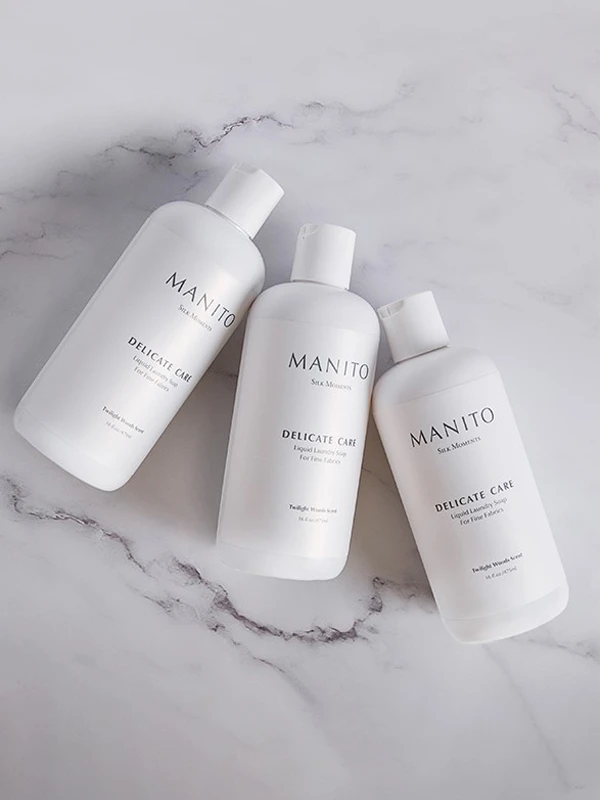
Use warm water. It loosens natural scalp oils that cling to fibers and trap flakes. Always double-check the fabric tag, especially if your sheets are made of silk or a delicate weave. Those need cooler water to stay smooth and intact.
Go with an enzyme-based detergent. Enzymes work well on protein materials like skin flakes and body oils, breaking them down so they rinse away completely. If you want a natural boost, add half a cup of white vinegar during the final rinse. It softens the fabric, clears leftover detergent, and leaves everything feeling fresh.
Step 3: Drying for a Flawless Finish
Sunlight does wonders. Hang your sheets outside if you can. UV rays naturally kill bacteria and give that crisp, clean scent money can’t buy. If you’re using a dryer, set it to medium heat and make sure the sheets are fully dry before folding. Even a hint of dampness can invite mold or musty smells later on.
How to Prevent Dandruff on Your Bedding
Still wondering why I have flakes on my pillow? Cleaning helps, but prevention keeps the flakes away for good. Once your sheets are fresh, focus on a few small habits that make a big difference. Here’s how to prevent dandruff in bed.
Personal Care Habits
Start with something simple: brush your hair before bed. It clears away any loose flakes that might otherwise fall out during the night. It also spreads your scalp’s natural oils, which helps keep things balanced instead of dry and itchy.
The Power of Routine
Think of your sheets as part of your skincare. Pillowcases collect oil, sweat, and microscopic skin cells every night. Washing them once a week, more if you have a sensitive scalp, keeps buildup low and your bedding hygienic. Regular cleaning helps your scalp rest, literally.
The Overlooked Factor: Your Bedding Fabric
Most people never realize that their fabric choice affects their scalp. Cotton, for example, is rougher than it looks. As you move in your sleep, that texture rubs the scalp, creating friction that can worsen flaking. Cotton also soaks up moisture, which sounds good until it pulls hydration right out of your skin and hair. Dry scalp, dry hair, more flakes.
If your bedding leaves your scalp tight or itchy in the morning, the problem might be right under your head. The solution starts with switching the material you sleep on.
The Ultimate Upgrade: Why Silk is Your Best Defense
If you’re serious about keeping your scalp calm and your bedding spotless, look for silk. It’s not just soft and luxurious; it’s scientifically smarter.
Minimize Friction, Soothe Your Scalp
Silk’s surface is incredibly smooth, so your scalp and hair glide rather than rub. That simple change reduces irritation and prevents flakes from forming in the first place. It’s gentle on sensitive skin and feels noticeably different from cotton the first night you try it.
Maintain Natural Moisture Balance
Silk sheets are the best sheets for dandruff. Silk is made from natural protein fibers, similar to those in your hair and skin. It doesn’t pull away the oils your scalp needs to stay healthy. When that moisture barrier stays intact, the dryness and itching that lead to dandruff fade over time.
This same quality helps your skin and hair hold onto hydration too, improving texture and tone. You can read more about the silk pillowcase for scalp health in our
blog here.
A Cleaner, More Hygienic Sleep Environment
Silk naturally resists dust mites, mold, and bacteria. It creates a cleaner sleep space that’s ideal for anyone with sensitive skin or allergies. Less irritation means fewer flare-ups — and a calmer, healthier scalp overall.
Conclusion
Dandruff on bed sheets might seem like a small thing, but it affects comfort, confidence, and even skin health. The solution starts with simple care: wash your sheets properly, follow a regular cleaning routine, and make sure your fabric supports rather than irritates your scalp.
Switching to silk ties it all together. It minimizes friction, preserves natural moisture, and keeps your bed environment clean and soothing.
If you’re ready to stop waking up to flakes and start sleeping in comfort, explore the
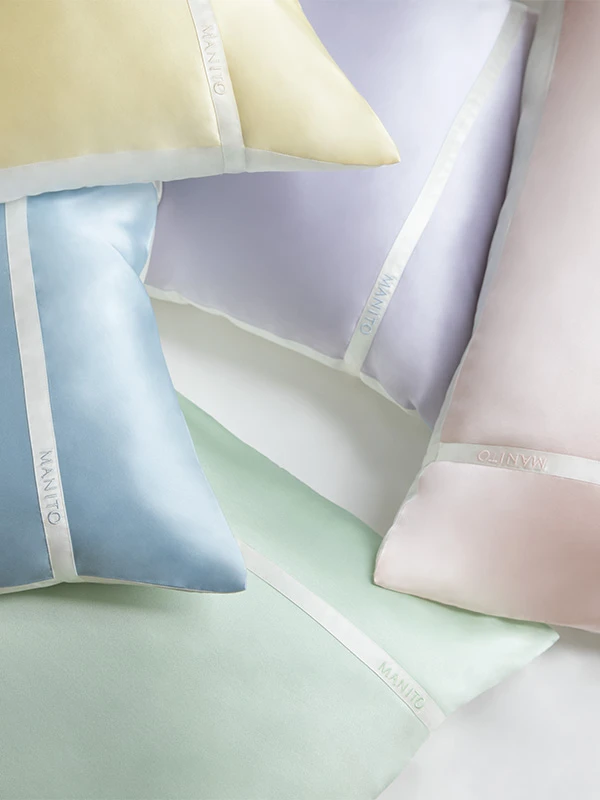
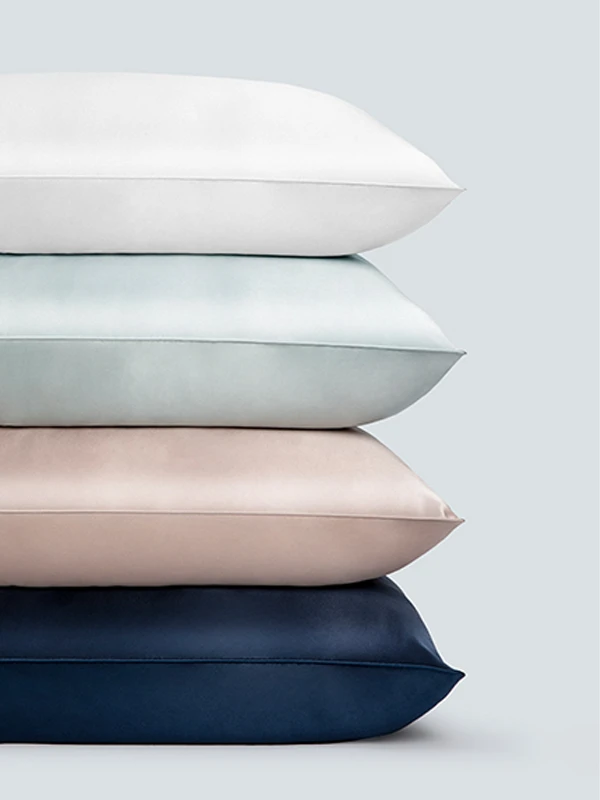
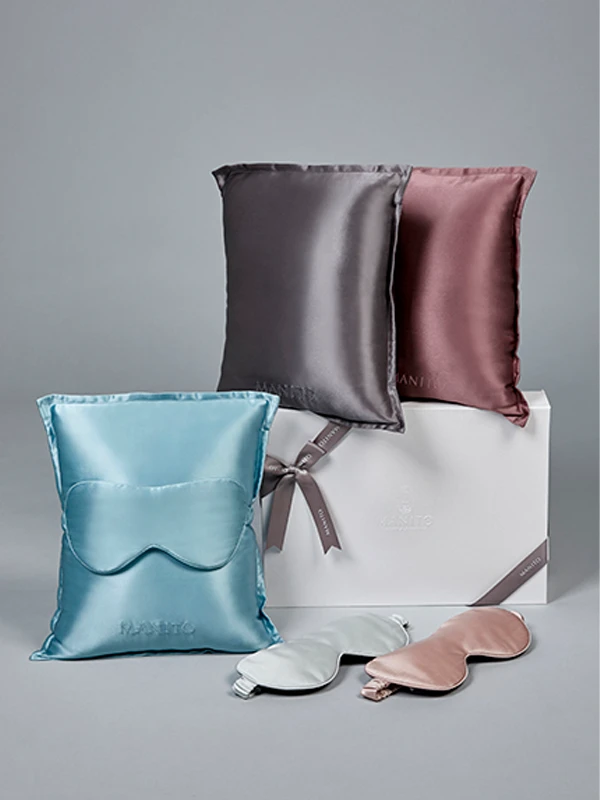
MANITO silk pillowcase collection. Your scalp, skin, and mornings will feel noticeably better.