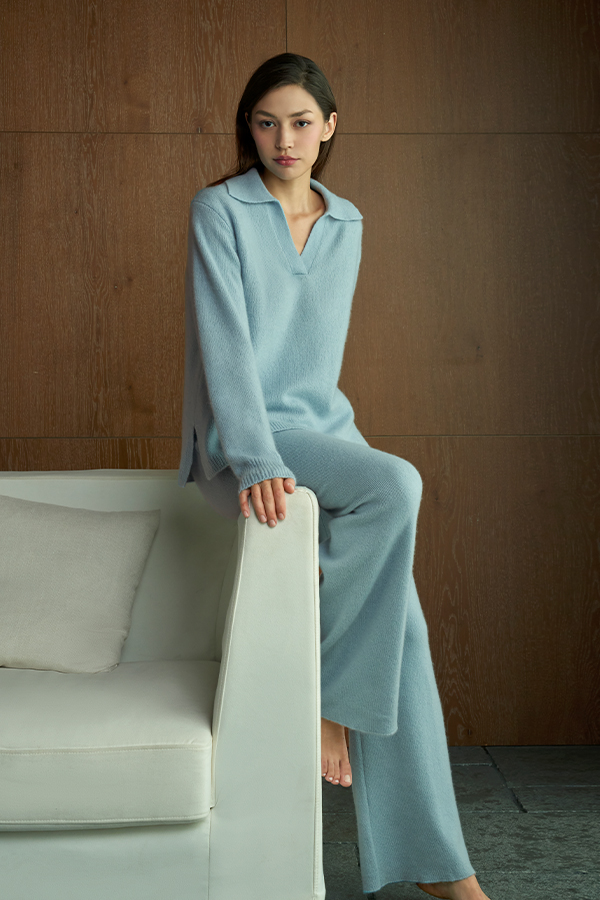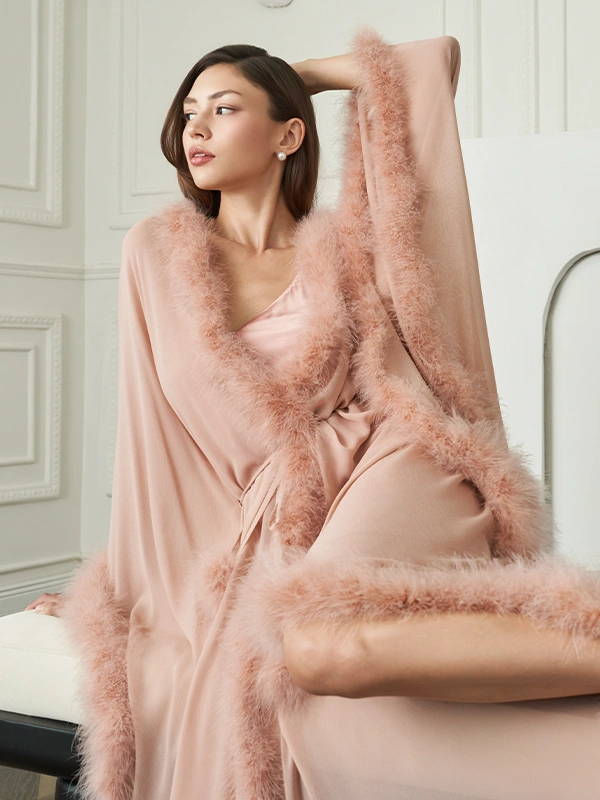
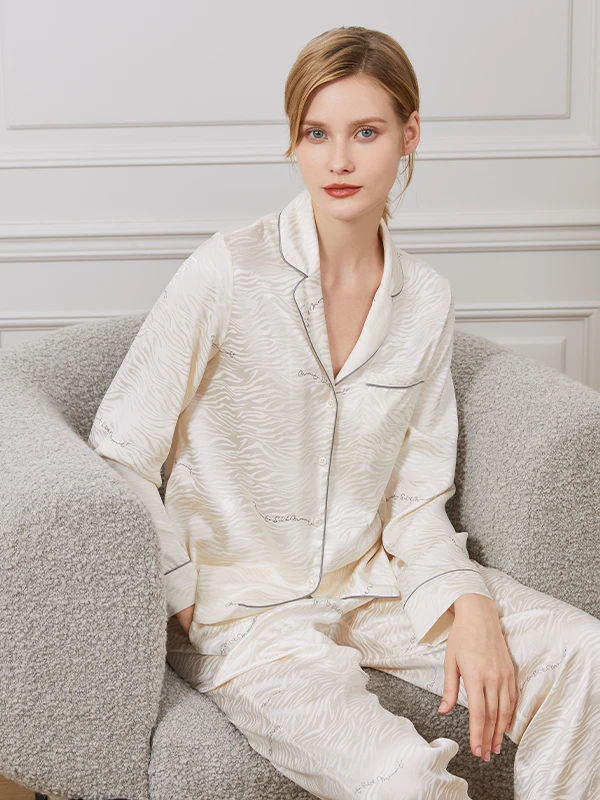
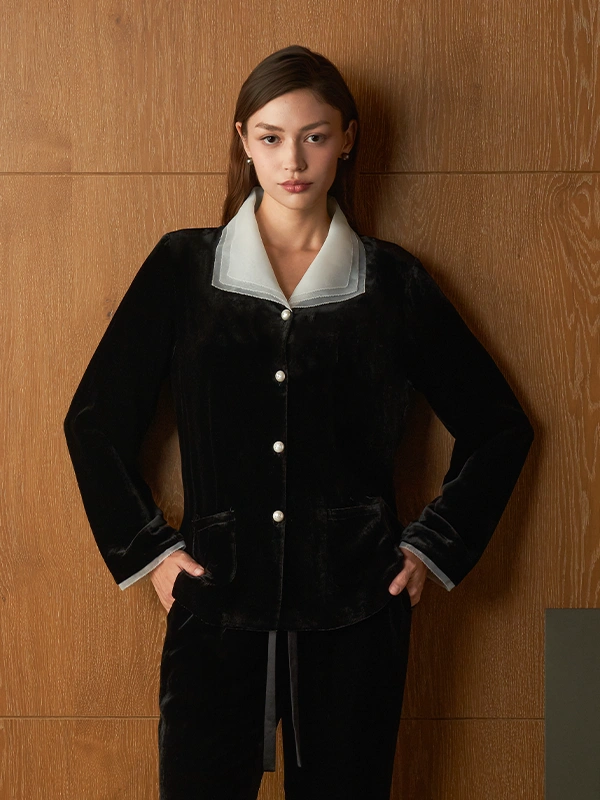

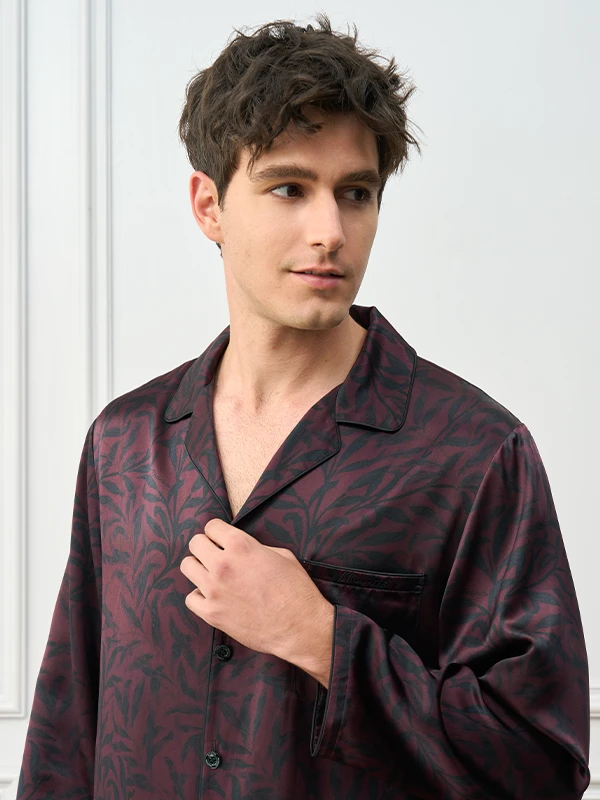
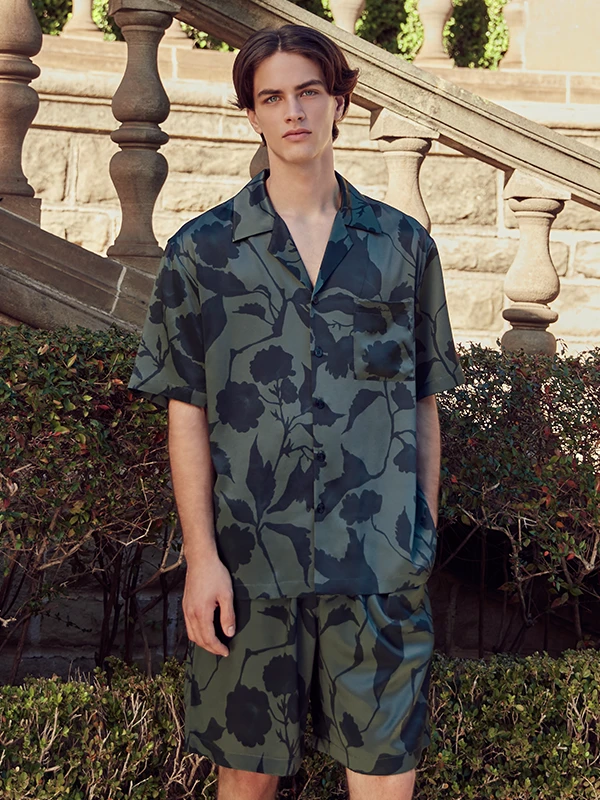

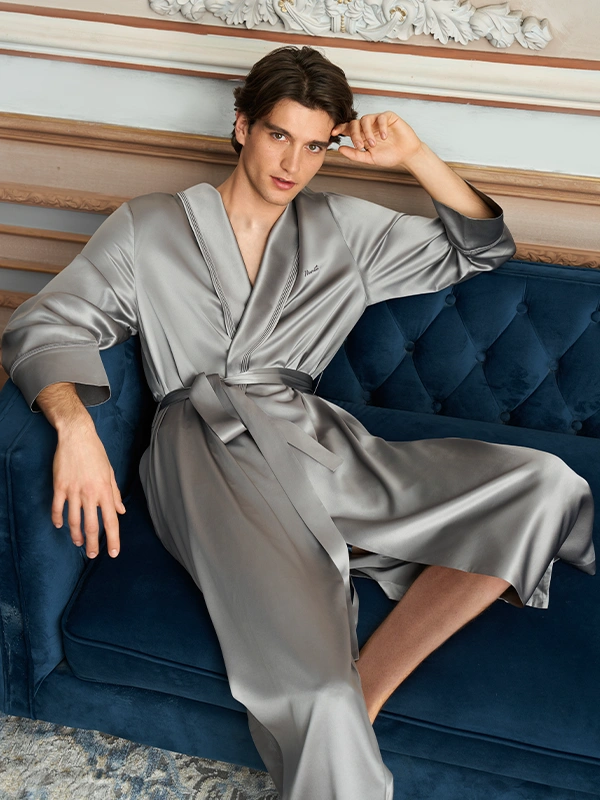
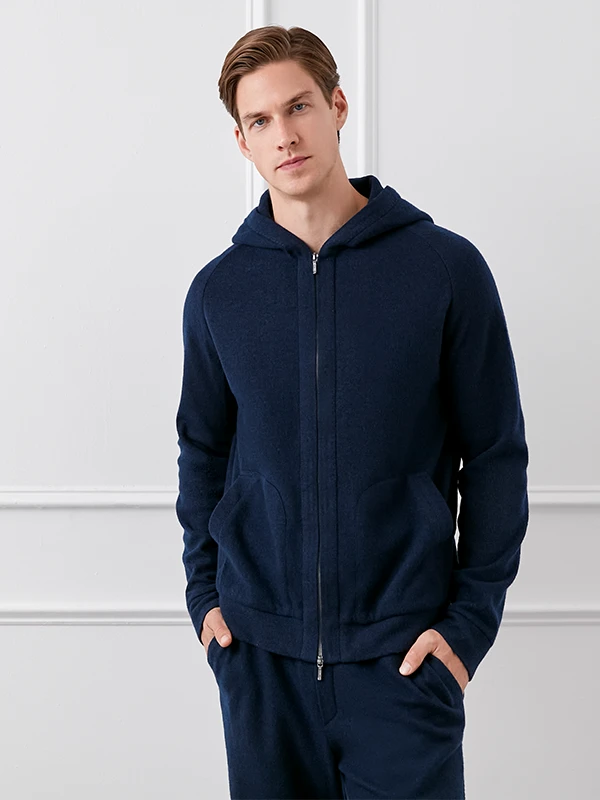


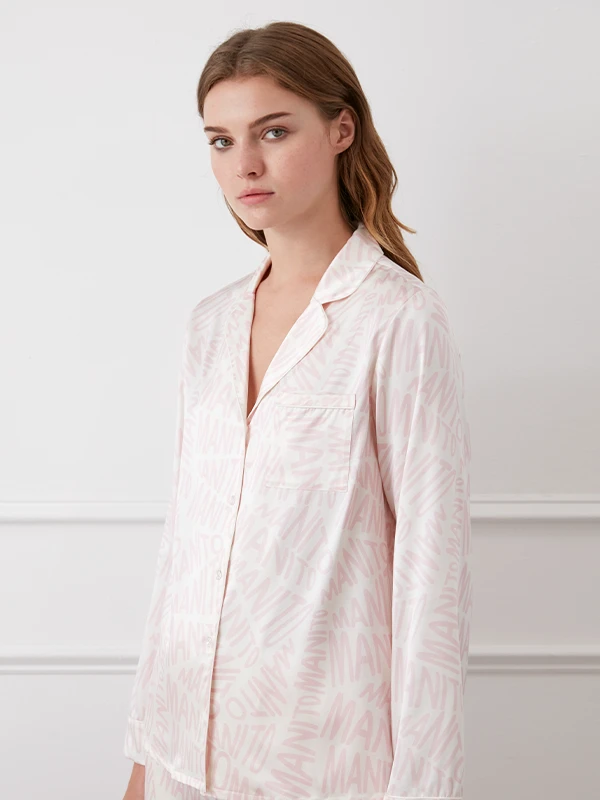
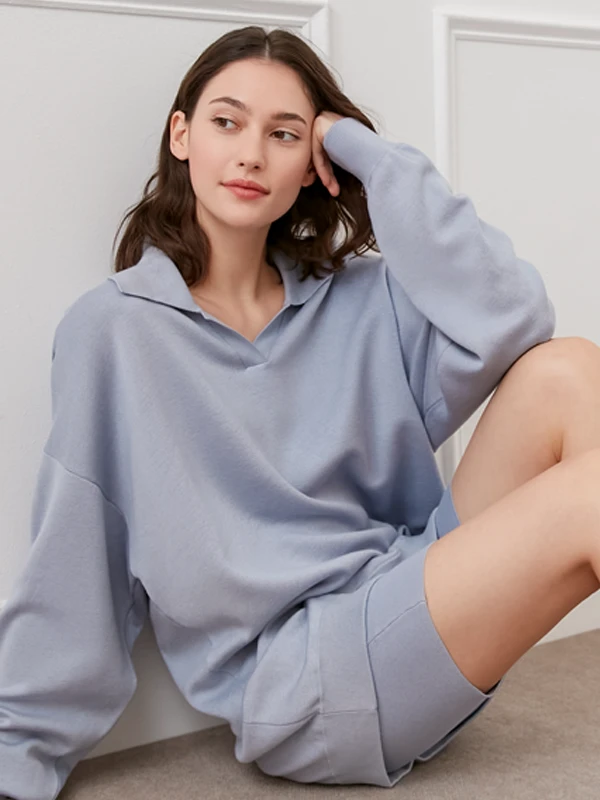
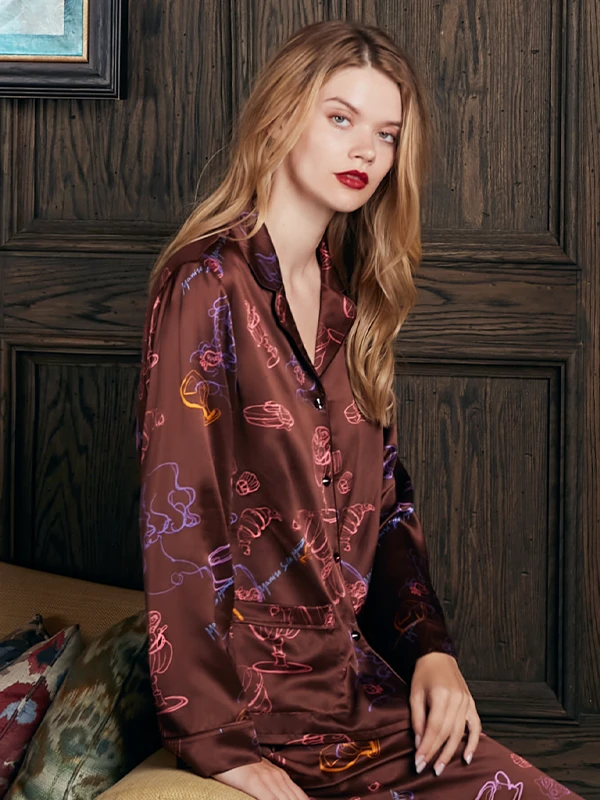
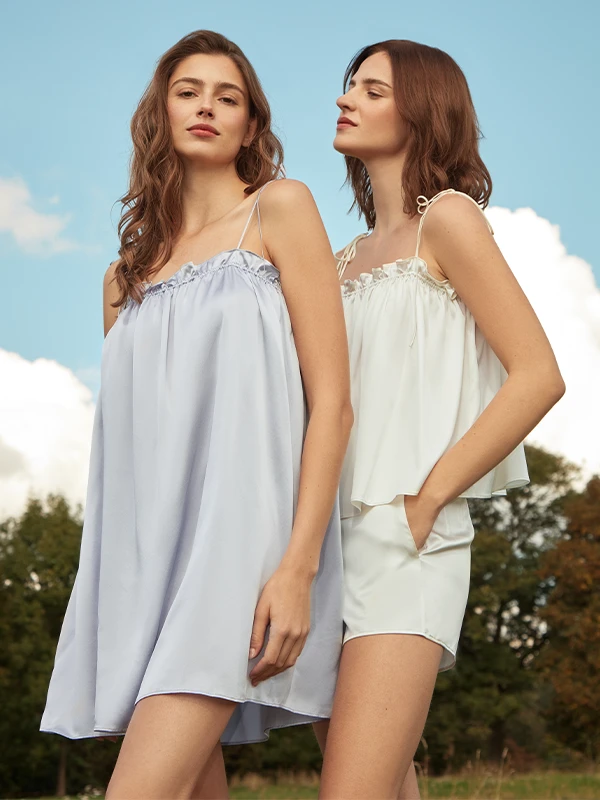







When selecting pajamas, the choice of fabric plays a key role in determining comfort and performance. Material breathability, softness, moisture absorption, and longevity all impact nighttime comfort and peaceful sleeping. For those with sensitivities, hypoallergenic fabrics also prevent scratchy irritation and skin inflammation. This article explores popular pajama fabrics like cotton, fleece, and linen, culminating with a deep dive into the unique benefits of luxurious mulberry silk sleepwear, unmatched for uniting health with indulgence.
What To Consider When Selecting Fabrics
Ideally, pajama textiles balance cozy softness with climate-control capabilities, managing night sweats and overheating. Breathable weaves prevent stifling stuffiness and must also withstand repeated use and laundering without excessive pilling or fading. For those with skin conditions like eczema, identifying hypoallergenic fabrics becomes paramount for preventing scratchy irritation.
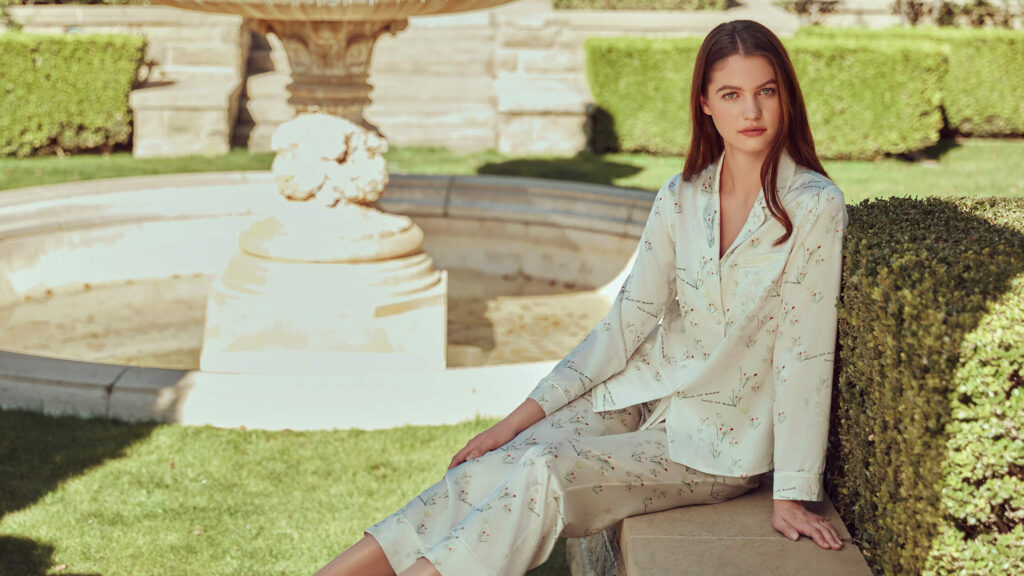
Benefits of Mulberry Silk as an Optimal Pajama Material
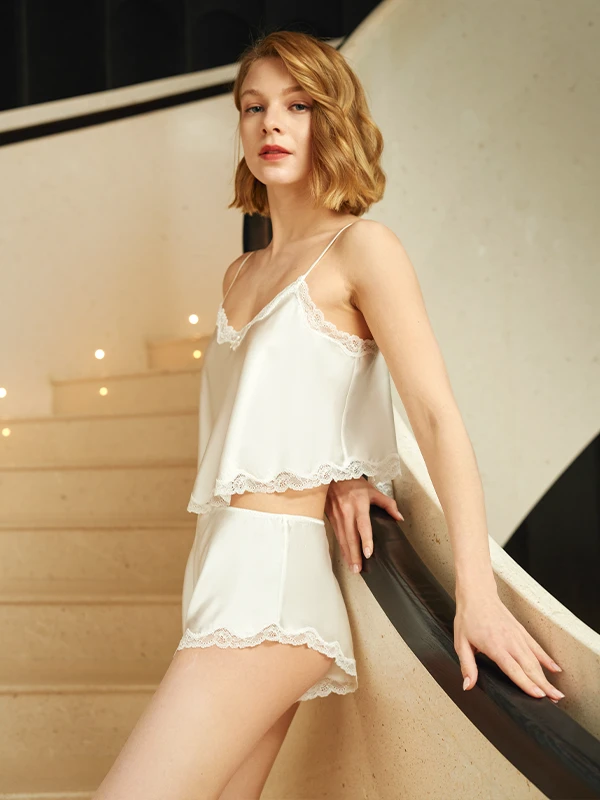
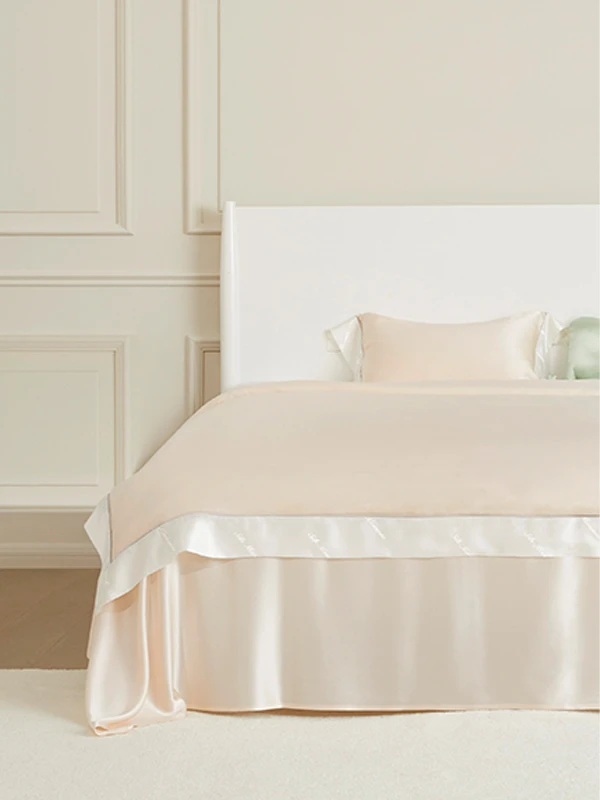
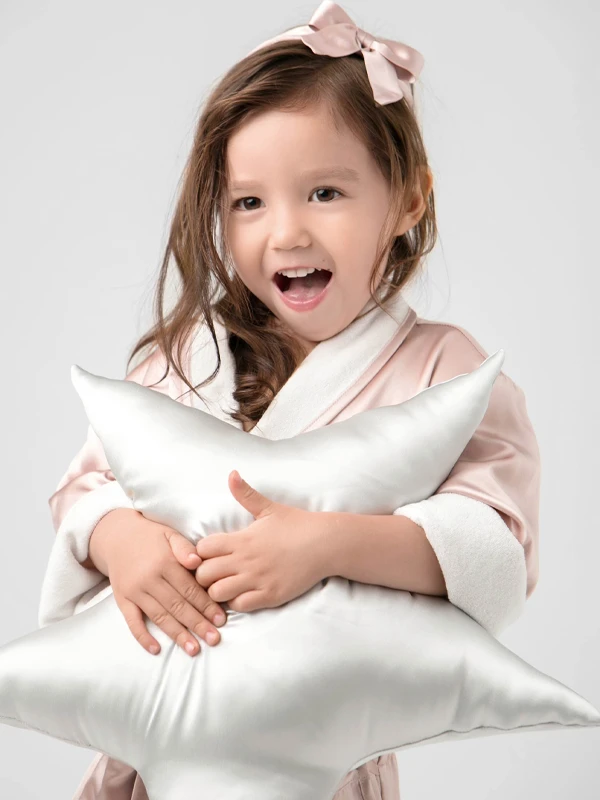
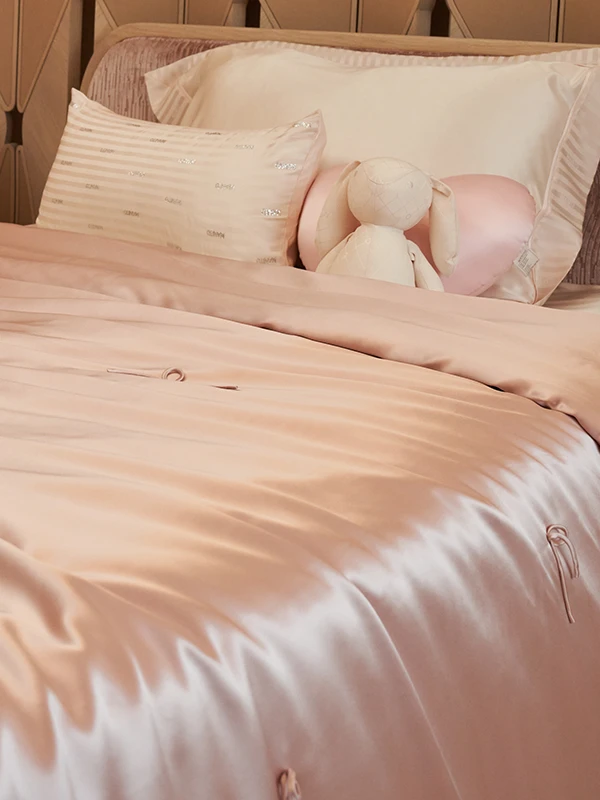
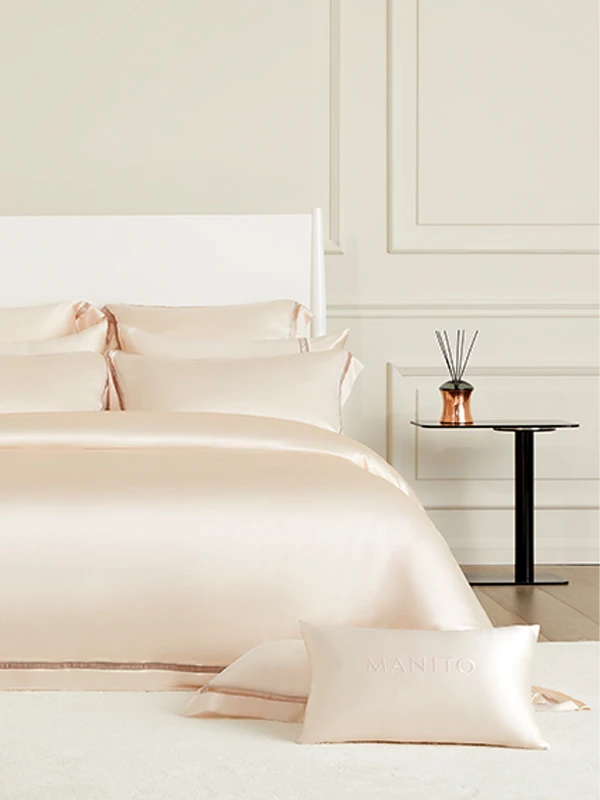
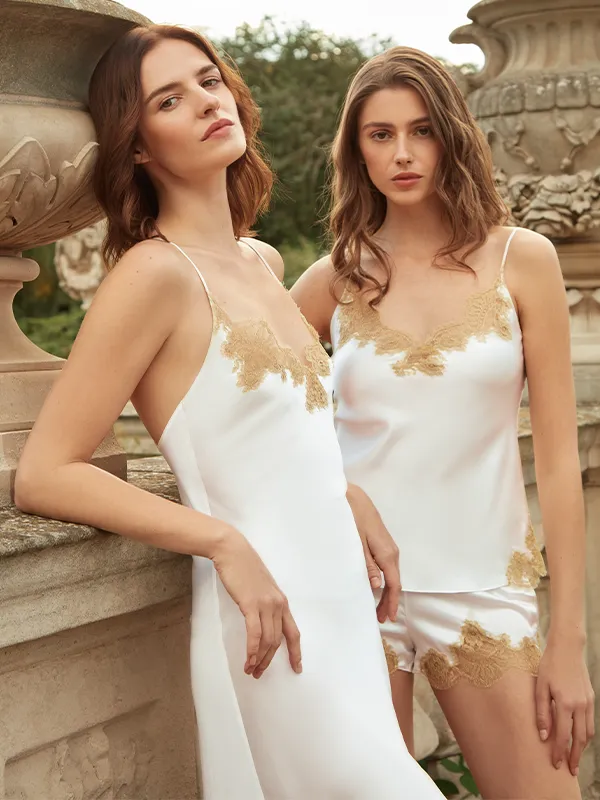
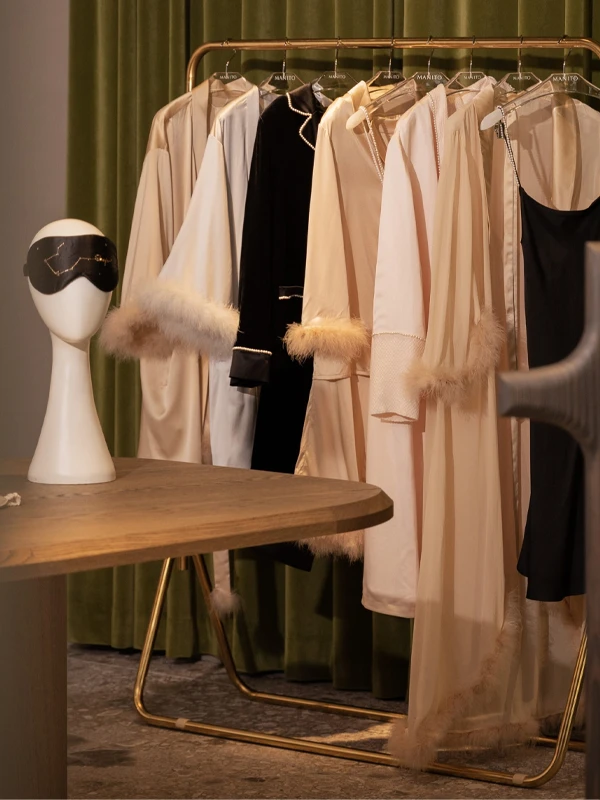
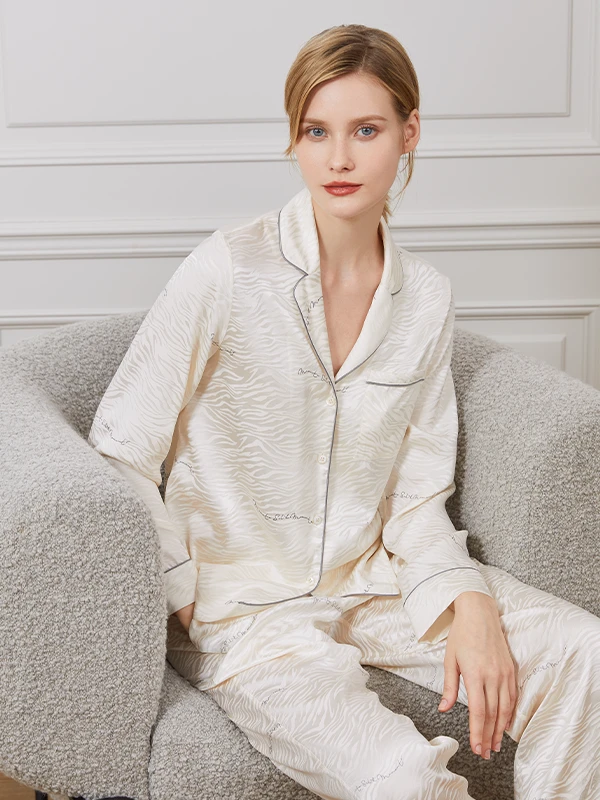
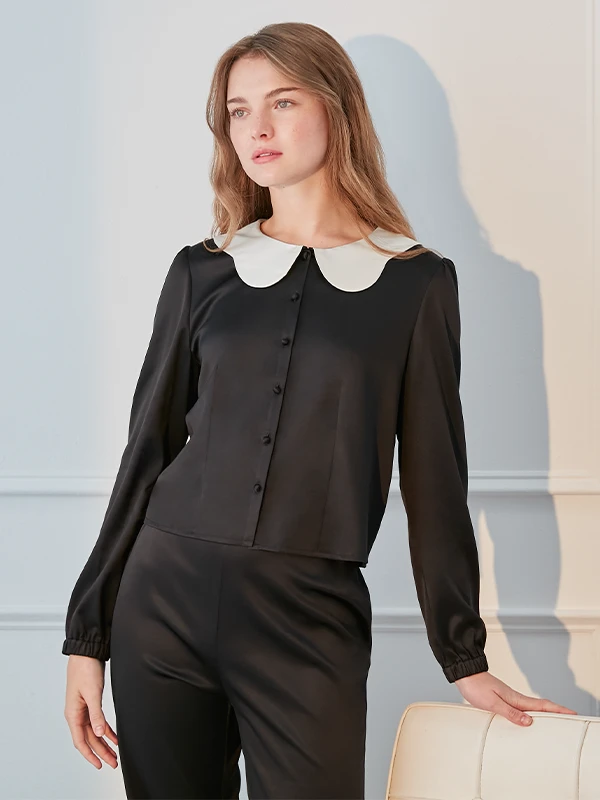
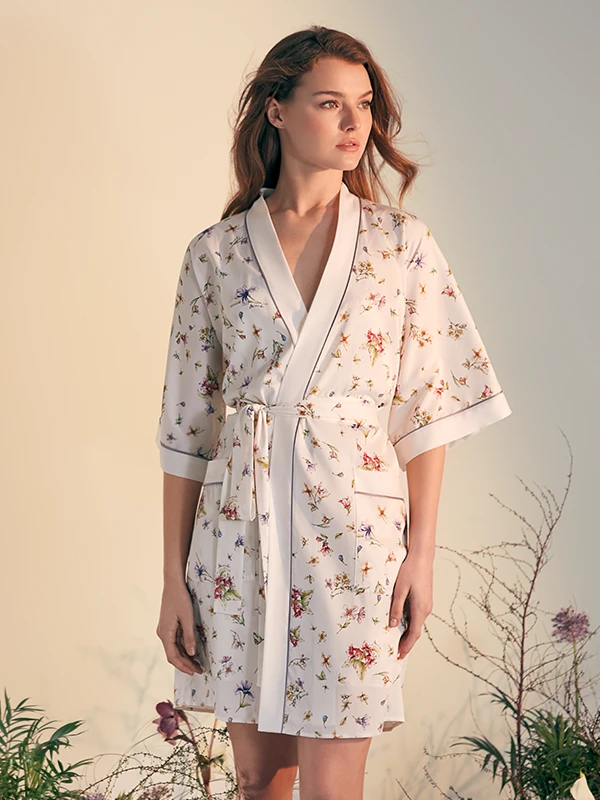
Mulberry silk constitutes the holy grail of elegant sleepwear. It isn’t just luxurious; it’s a powerhouse of beneficial properties, making it the ultimate choice for sleepwear.

- Temperature Regulation: Its ultra-smooth surface and unique moisture-wicking properties work together to regulate skin temperature throughout the night. Silk helps keep you cool when it’s warm and warm when it’s cool, ensuring optimal comfort.
- Exceptional Durability: As the longest natural fiber, high-quality mulberry silk is remarkably durable. With proper care, silk pajamas can last over a decade, offering enduring value. Its compressed molecular structure also allows relatively thin fabrics to insulate effectively.
- Natural Hypoallergenic & Antimicrobial Properties: Research validates silk’s substantive natural benefits. Its unique protein makeup actively inhibits a broad spectrum of allergenic triggers and infectious microbes commonly found in bedding. Reducing exposure while sleeping provides significant immune protection and supports a balanced skin barrier, helping those with sensitivities avoid flare-ups.
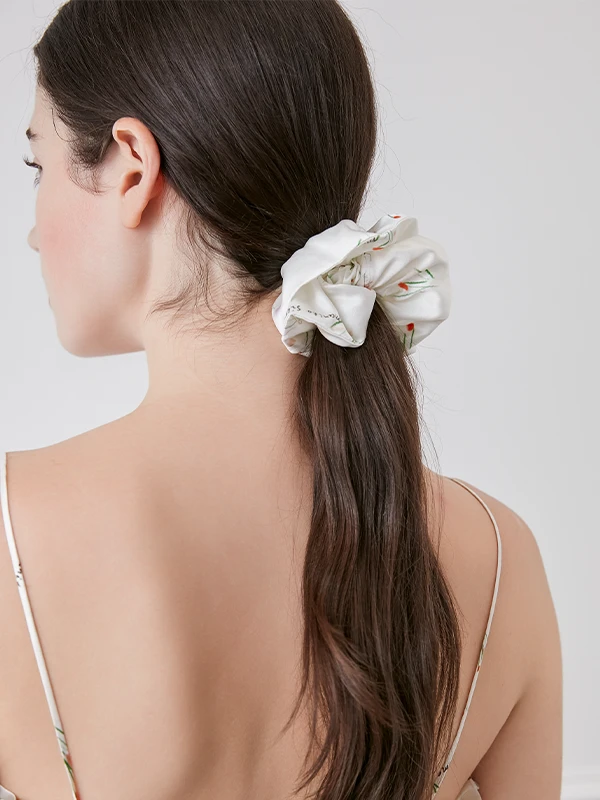
- Hair & Skin Health: The amino acids in silk closely mimic human hair proteins. This biocompatibility nurtures hair integrity overnight, minimizing tugging, friction, and breakage caused by tossing and turning. The result is luminous hair alongside a glowing, rested face after a night of sound slumber.
- Unmatched Luxury & Comfort: Beyond its health benefits, silk offers an unparalleled sensory experience. Its discernibly indulgent feel against bare skin makes nightly rituals feel incomplete without its blissful embrace. Compatible with both men’s and women’s sleepwear, silk becomes literally addictive, delivering profound restorative gifts for those seeking healthy, repairing sleep alongside sheer sensory pleasure.
Other Notable Pajama Fabrics To Consider
Cotton
This popular natural fiber staple absorbs moisture well and launders easily. Flannel cotton and cotton jersey varieties prove especially cozy for retaining warmth without causing overheating. Choose long-staple Pima or Egyptian cotton for utmost resilience and softness, which only improves over years of wear.
Fleece
Plush synthetic fleece made from polyethylene terephthalate polyester provides lightweight insulation. It makes budget-friendly pajama sets and maintains comfortable warmth as temperatures drop. Fleece also stands up well to repeated high-temperature washing and drying.
Linen
All-natural linen woven from flax plant fibers earns favor for its exceptional breathability and impressive durability. The textured weave feels pleasantly crisp against the skin and only gets softer over time. Linen also absorbs wetness well while drying rapidly to resist clinging night sweats.
Bamboo
Sustainable bamboo viscose rayon has become a popular pajama fabric choice. Derived from fast-growing bamboo cellulose, its breathable hollow fiber construction pulls moisture away from the body effectively. Select certified organic bamboo material to avoid chemical processing concerns.
Modal
This semi-synthetic fabric, crafted by reconstituting natural beech tree cellulose, offers notable softness, breathability, and moisture control. Blending modal with cotton, spandex, or silk balances an ultra-delicate feel with added durability.
Special Considerations for Men’s Pajamas
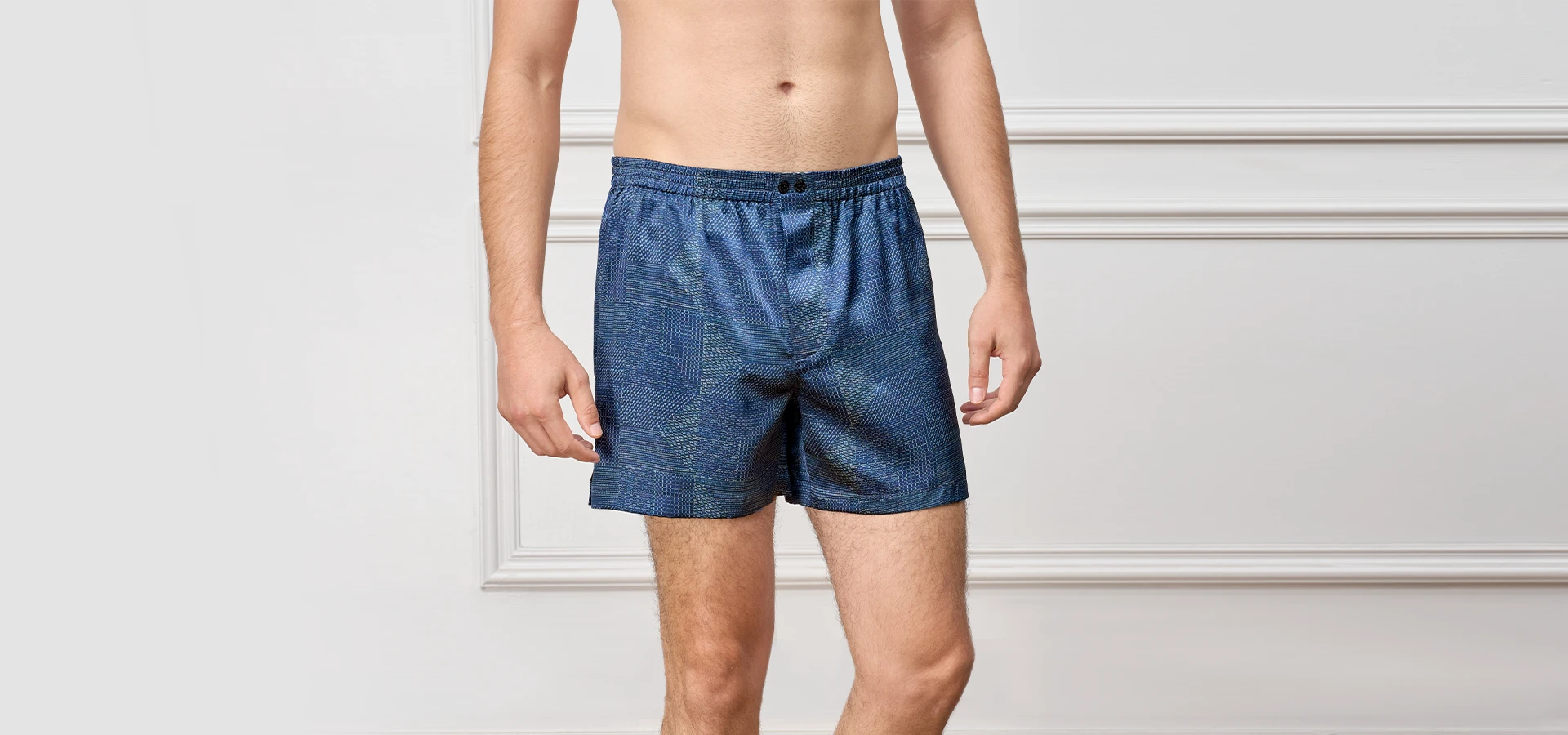
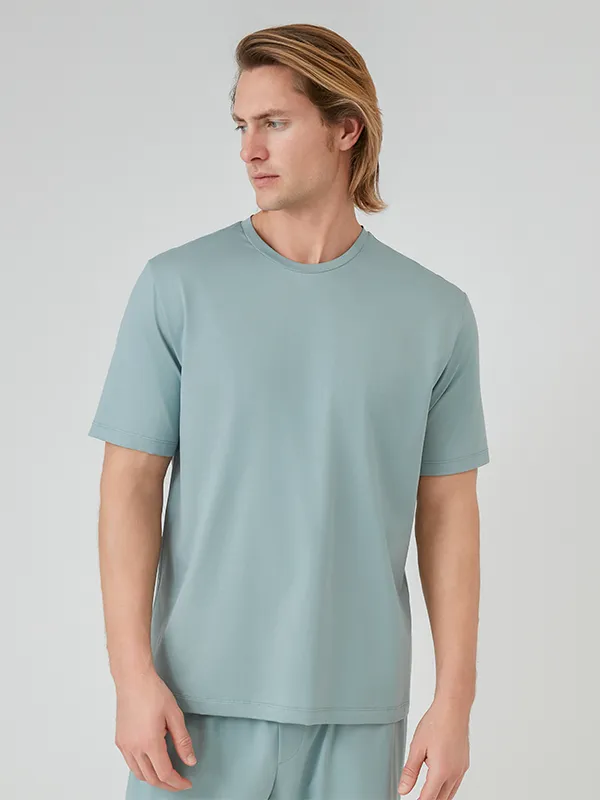
The best fabrics for men’s pajamas balance comfort with practical care and laundering needs. For daily sleep shorts, avoid high-maintenance materials like silk or satin. Instead, focus on resilient all-cotton jersey knits, cotton-modal blends, or flannels that offer cozy softness after washing.

Elements like adjustable waistbands, multiple color choices, and matching short-sleeved tops foster versatility. Side seam pockets conveniently hold phones or remotes. While indulgent on occasion, lean more towards practicality for men’s daily sleepwear.
The Takeaway
When selecting the best fabrics for pajamas, consider climate-control capabilities, care requirements, and potential reactions with sensitivities. While cotton, fleece, and linen each provide advantages, luxury mulberry silk pajamas set the gold standard for uniting healthy hypoallergenic properties with sensuous softness, promoting the highest quality sleep and skin health imaginable. That’s why silk remains a mainstay textile, anchoring high-end sleepwear and bedding lines worldwide. Treat yourself to this rarefied fabric embracing you in peerless comfort night after night.