



















As a parent, you want to ensure your baby is comfortable while asleep. When tucking in your baby, you start wrapping blankets around them, and suddenly, you wonder, am I overheating my baby by wrapping too many blankets?
While it’s natural to protect your baby against cold, overheating your baby may in fact cause sleep issues or heat rashes. Worry not, as this blog covers all the telltale signs a baby is too hot while sleeping and practical research-based tips for keeping your baby cool at night.
You will read
- The Science of Baby Temperature: Why It’s Different
- How to Tell If Your Baby Is Too Hot While Sleeping
- Hidden Causes of Overheated Parents Miss
- What to Do if Your Baby Is Too Hot While Sleep
- Prevent Overheating at Night
- When Heat Becomes a Problem: Warning Signs to Act On
- Wrapping Up: Your Baby’s Cool Sleep Cheat Sheet
The Science of Baby Temperature: Why It’s Different
Many new parents want to keep their babies comfortable at night. But most don’t know that babies handle temperature differently than adults. They are like mini-thermostats unable to regulate body temperature on their own. Their thermoregulatory system is in flux; thus, they cannot regulate either hot or cold.
According to pediatric studies, children lose body heat four times faster than adults. This affects their sleep quality and keeps them up all night.
You may wonder if babies sweat. Due to having undeveloped and very few sweat glands, babies do not sweat as quickly and profusely as adults. This makes it difficult for them to lose some heat and cool off.
How to Tell If Your Baby Is Too Hot While Sleeping
Luckily, the following are the signs that the baby doesn’t want to be swaddled due to overheating.
- Warm neck or chest
- Flushed skin or ears
- Sweaty patches
- Restlessness
- Fast breathing
- Rectal temp ≥100.4°F (38°C)
Tip: Conducting proper crib climate checks before bedtime, such as consistently placing babies on their backs to sleep, providing a comfortable mattress, and maintaining a room temperature of 68-72°F, will help prevent overheating. Real parents and pediatric experts considered these tips and are here to help keep your baby safe and comfortable.
Hidden Causes of Overheated Parents Miss
Most parents overlook the common causes of overheating: They dress their babies too warmly or ignore the room temperature where they lay them down for sleep. Dress your baby according to how you would like to sleep; try to avoid layers and choose light, breathable fabrics.
Apart from this, the most common slip-ups are thick bedding and humid air. These can be easily resolved once detected. Using a baby monitor to regulate the temperature between 68-72°F is essential to ensure a night of quality sleep.
What to Do if Your Baby Is Too Hot While Sleep
If your baby often gets too hot, here’s how you can keep them cool at night.
- Use a fan wisely: To prevent heat buildup, place a fan nearby, angled to circulate air gently around the room—not directly at the crib.
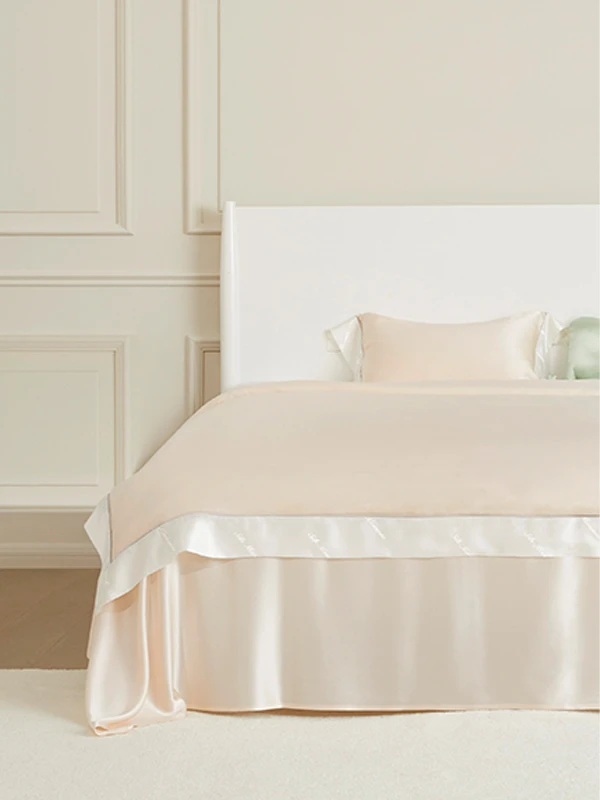
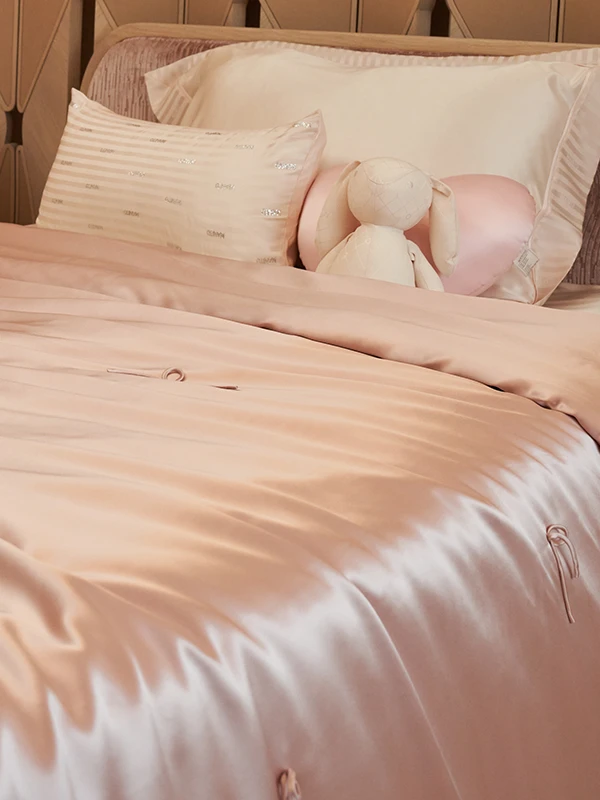
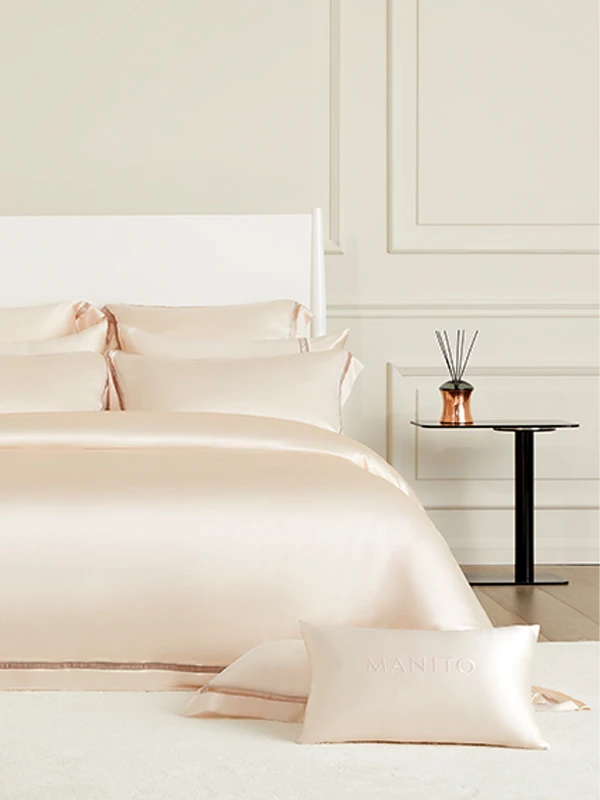
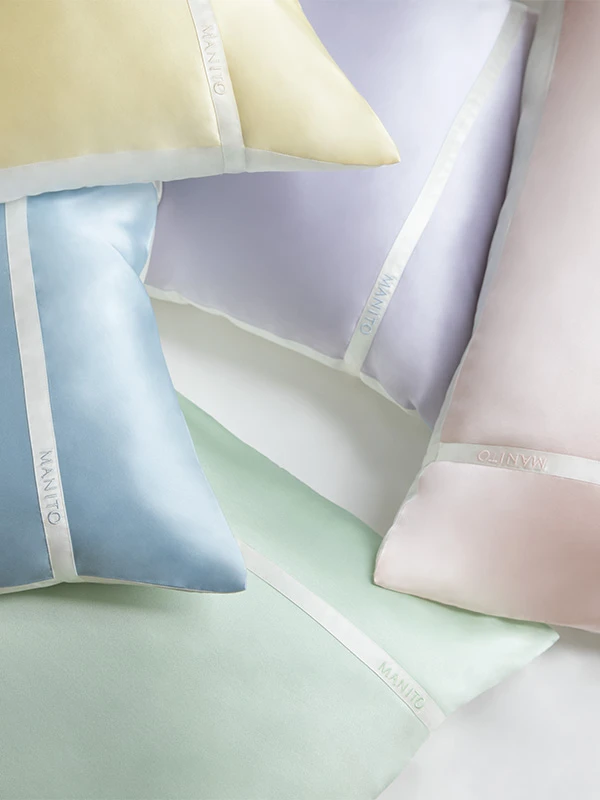
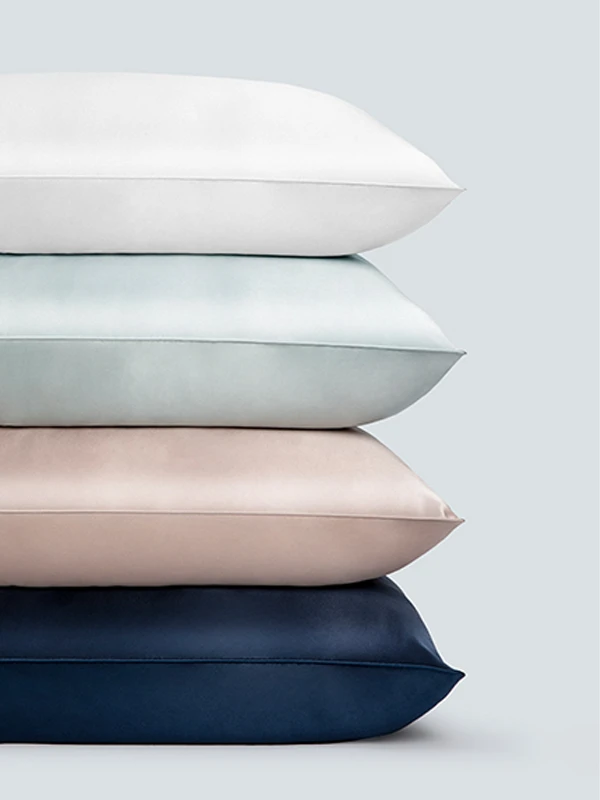
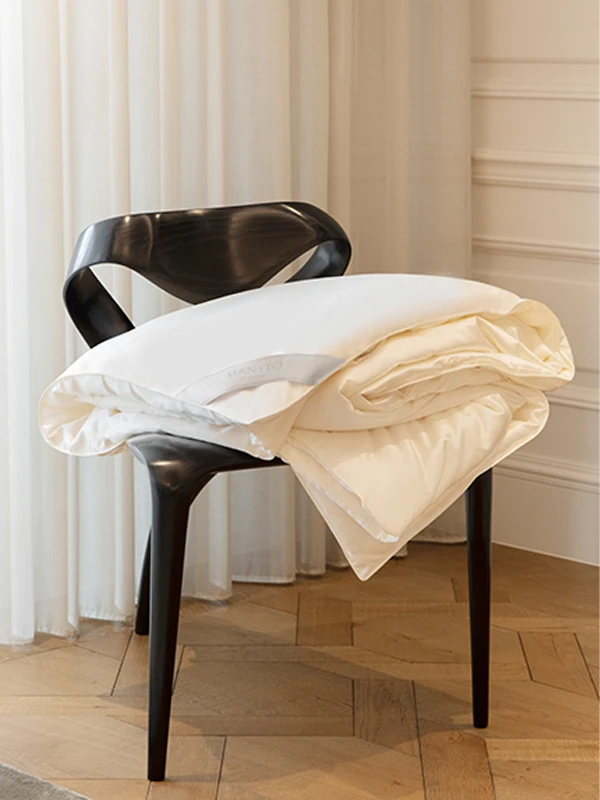
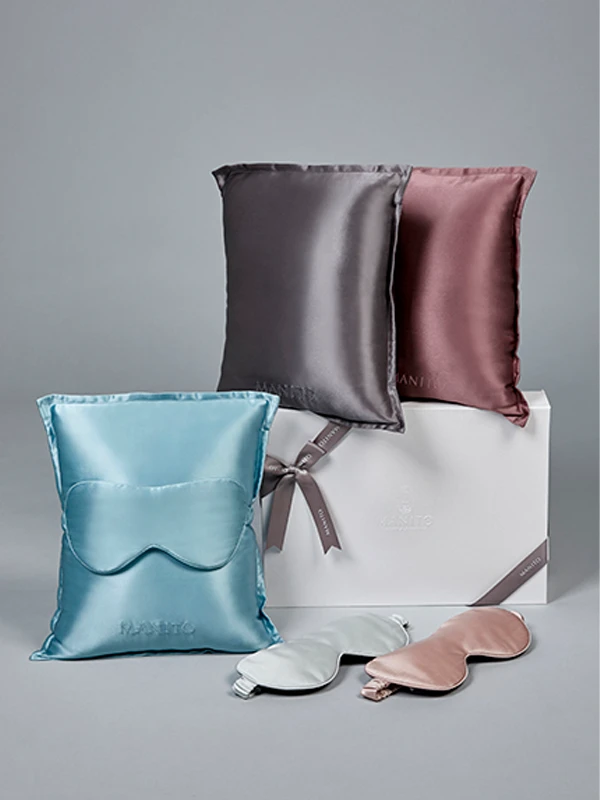
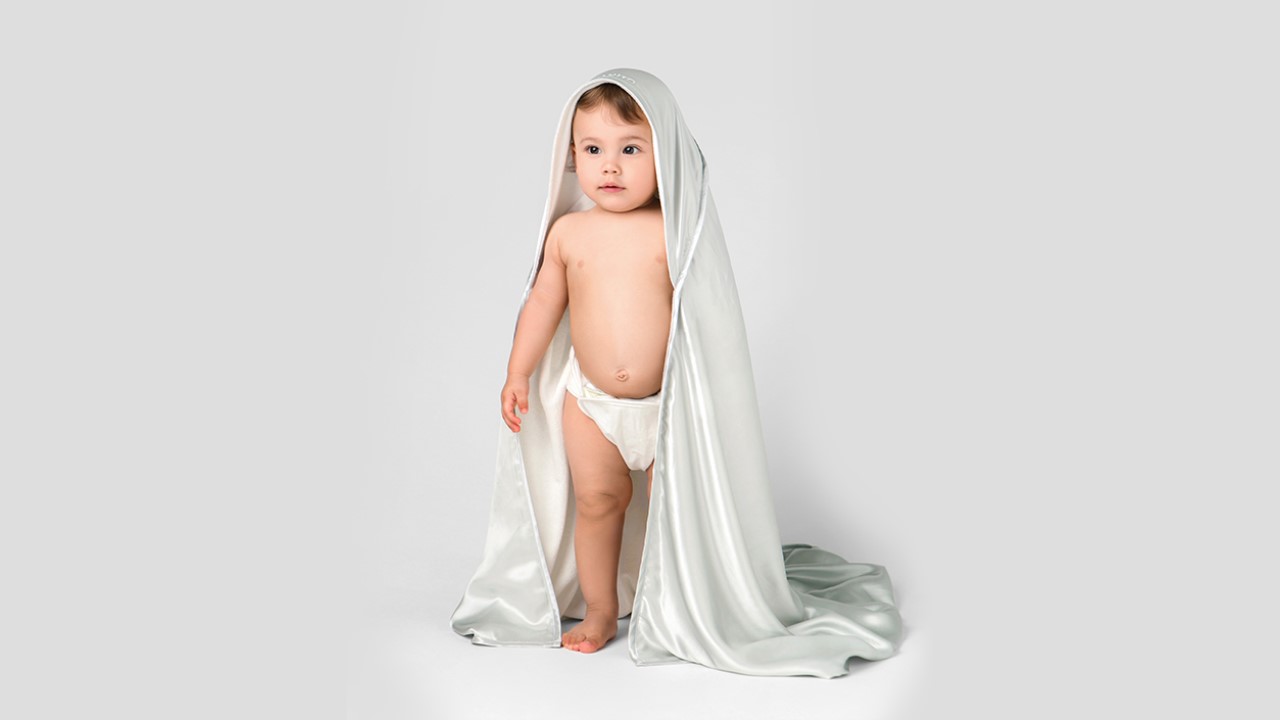
- Choose light bedding: Opt for breathable materials like silk to avoid trapping warmth. Curious for more? Check out our kid’s bedding, designed specifically for infants, with breathability and comfort in mind.
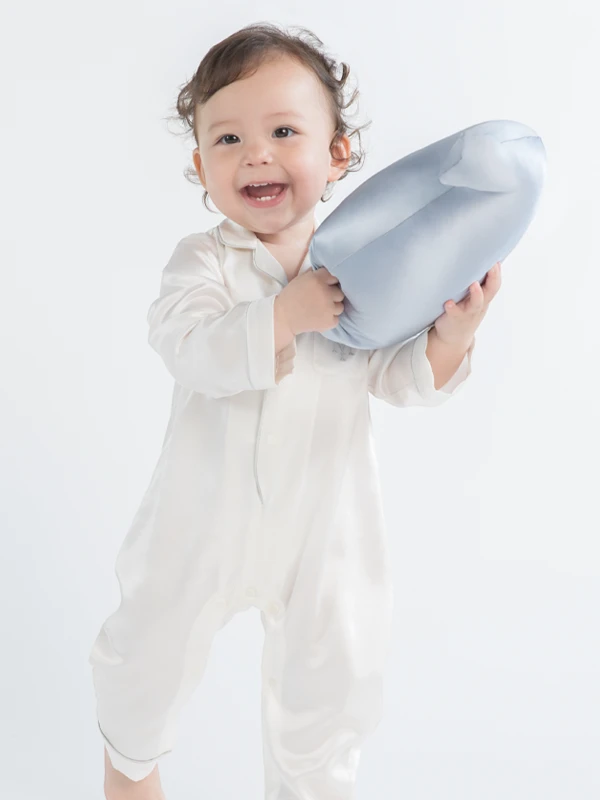
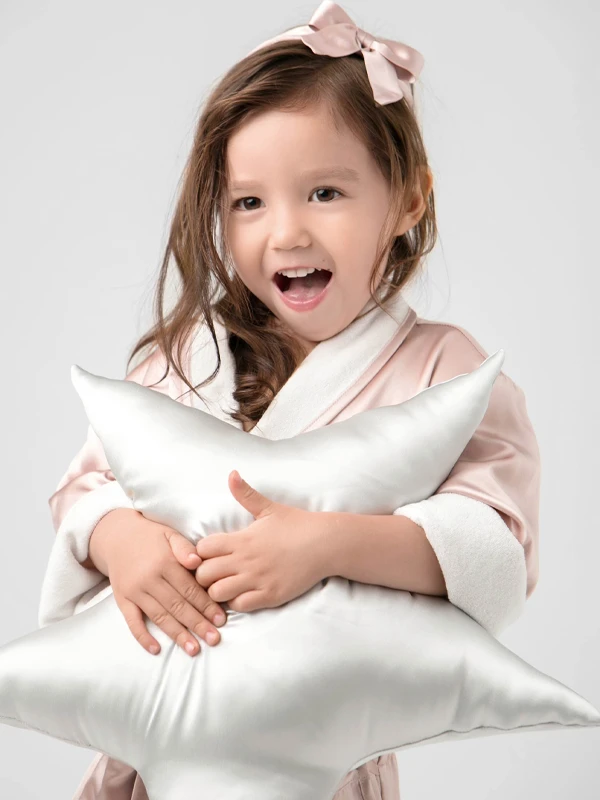
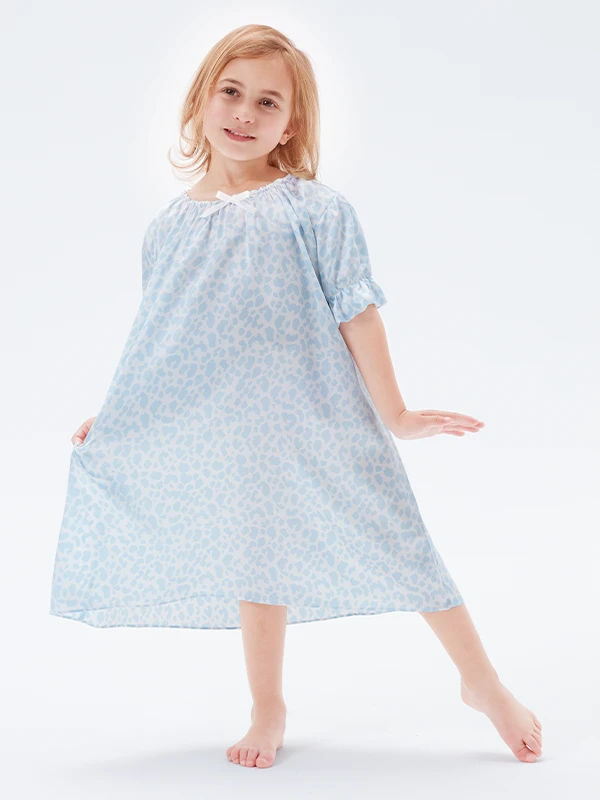
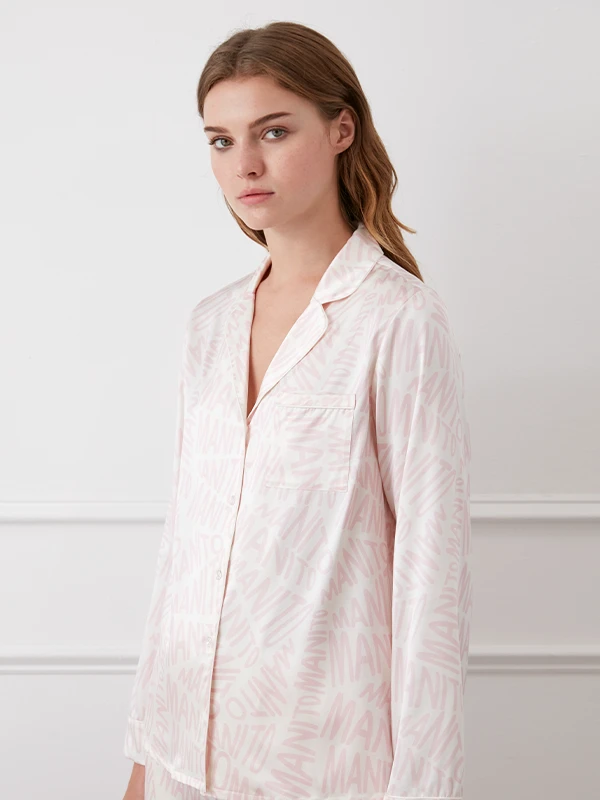
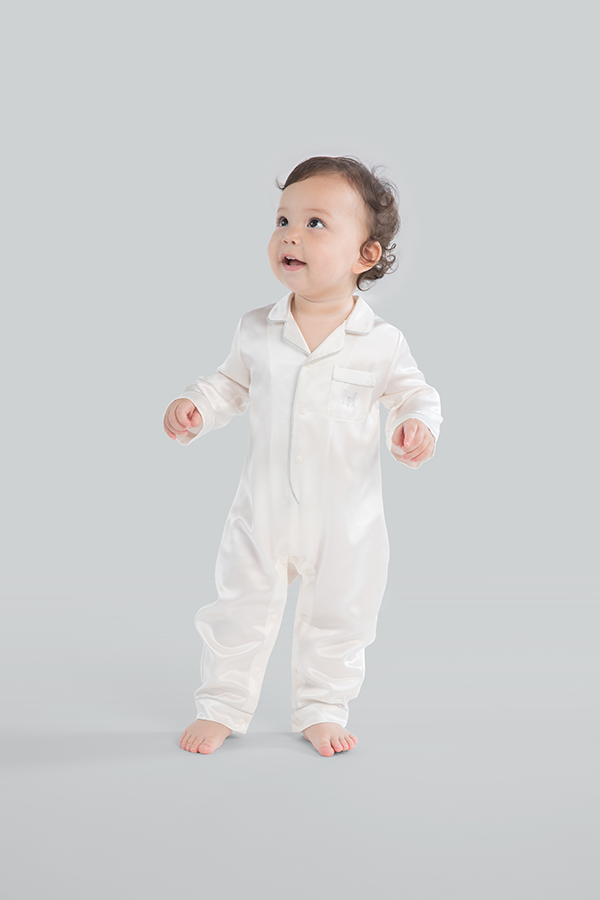
- Dress in silk pajamas: For extra comfort, try silk pajamas for babies. They wick sweat away, maintain a steady body temperature, and are hypoallergenic, making them perfect for delicate little ones.
- Air out the nursery: Before bedtime, open a window for 15 minutes to refresh the space and stabilize the room’s temperature. By the way, the material of plush toys can also affect your baby’s temp and skin—our silk-stuffed dolls are a cool, safe option worth considering.
Prevent Overheating at Night
Good habits cut down risks and help babies sleep better.
Cool Room & Fresh Air
Keep the room comfy (it should feel good to an adult wearing light clothes). Many kid doctors say 68–72°F (20–22°C) works well, but remember the AAP cares more about stopping babies from getting too hot and putting on layers than sticking to one exact temperature. Focus on moving air around (open vents/doors, turn on a fan, don’t let cold air blow right on the baby).
Dress Your Baby in One Extra Layer
A basic guideline: add one more layer than you’d wear in the same room. Change layers as seasons or home heating and cooling settings shift.
Safe Sleep Practices: Clear Head & Face, Back Position No Loose Covers
Place your baby on their back for all sleep times; use a solid, level surface; avoid loose covers or soft objects; skip indoor hats during sleep; keep the head and face clear. Share your room but not your bed in the early months.
Bedding & TOG Basics (Sleep Sacks, No Indoor Hats)
Go for a wearable blanket or sleep sack instead of loose blankets. Check the TOG (insulation rating) and pick lightweight breathable fabrics when it’s warm. Don’t put hats on babies indoors—they can make them too hot and might cover their face.
When Heat Becomes a Problem: Warning Signs to Act On
Getting a bit warm and lightly sweating is normal; the issue arises when your baby is drenched in sweat and exhibits lethargy. That’s when you need to take action by removing extra layers of clothing or calling a doctor if your baby starts to vomit or becomes unresponsive.
Try a Calm-down countdown to immediately take your baby to a cooler room. Remove clothes and place a lukewarm wet cloth on their body to dissipate heat fast. If your baby still feels flushed and lethargic, seek medical help immediately.
Wrapping Up: Your Baby’s Cool Sleep Cheat Sheet
After digging into this, you are now well-equipped with a baby overheating and expert tips to cool it down. If your baby is hot in the neck or chest, flushed or has sweaty patches, then your baby is overheating. Lower the room’s temperature or remove layers of extra clothing and use light bedding. While this may seem like a lot, doing this daily becomes easy and convenient and lets your baby sleep comfortably.
Have you experienced something similar? Share your expert tips and recommendations in the comments below. Also, check out our post on knowing the ideal room temperature for babies.
Frequently Asked Questions About Baby Sleep & Temperature
Q: My baby sweats a lot while sleeping. What should I do?
A: If your baby sweats a lot, it often indicates they might be too warm. First, check their neck and chest – if they’re warm and clammy, remove a layer of clothing or adjust the room temperature.
Q: Is 70°F (21°C) okay for my baby’s room?
A: Yes—if it feels comfortable for a lightly clothed adult. (However, 68–72°F (20–22°C) is a practical reference, because homes, seasons, and babies differ.)
Q: Can I use a fan or AC at night?
A: Yes. Use a fan or AC to keep air moving and the room comfortable. Avoid direct cold air blowing on the baby; aim for gentle ventilation and monitor your baby’s core cues (neck/chest warmth, breathing, behavior). Keeping the head and face uncovered during sleep further lowers overheating risk.
Q: What’s the correct way to check temperature?
A: For infants, a rectal reading is the most reliable. A rectal temperature ≥100.4°F (38°C) is considered a fever. Seek care urgently for very young infants or if your baby looks very ill, is unusually sleepy, has breathing trouble, or has symptoms that worsen despite cooling steps.
Q: How should I dress my newborn for sleep?
A: A general rule of thumb is to dress your newborn in one more layer than you’d wear to be comfortable in the same room. Always opt for breathable, natural fabrics like silk or cotton, and avoid bulky blankets or overly warm sleepwear.